An extraordinary case of alleged extraterrestrial visitation that has captivated researchers for decades.
The Context of the Encounter
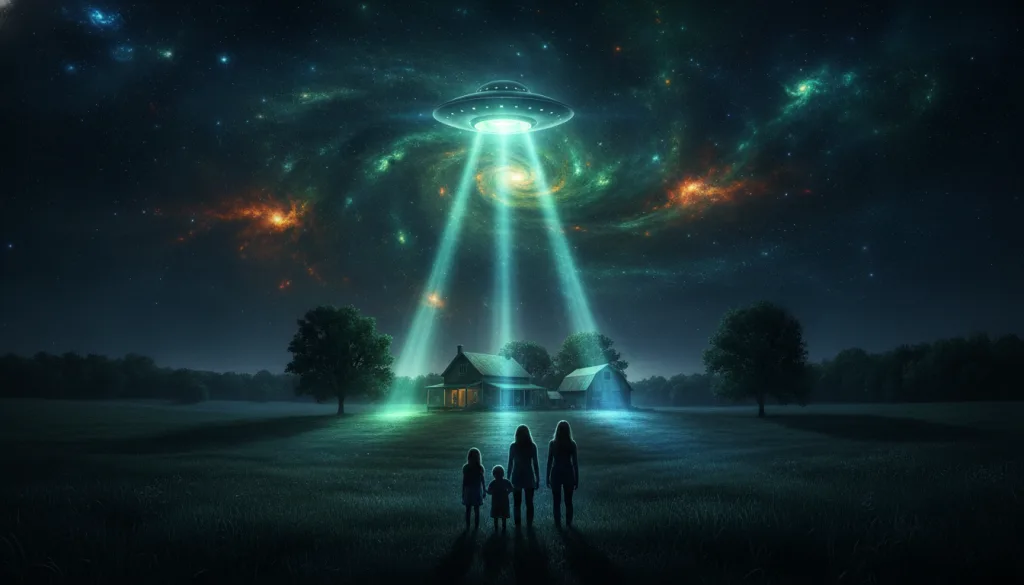
The Kelly-Hopkinsville encounter, which occurred on the night of August 21, 1955, in the rural vicinity of Hopkinsville, Kentucky, remains one of the most compelling accounts of alleged extraterrestrial contact in the annals of ufology. This incident involved the Sutton family, including the patriarch, Glennie Lankford, and several other family members and friends who were spending the night at the Lankford residence. As the night unfolded, their encounter with what they described as “little green men” would go on to ignite waves of public intrigue and skepticism.
The Suttons reported that around 11 PM, they began seeing strange lights in the sky, followed by the emergence of several bizarre, goblin-like creatures that approached their farmhouse. With descriptions that included glowing eyes, elongated limbs, and clawed hands, these entities provoked sheer terror among the inhabitants. The Suttons claimed to have fired over 20 rounds from multiple firearms, including a shotgun, yet the creatures appeared unaffected and continued their menacing behavior.
The Eyewitness Accounts
The details provided by the Sutton family were remarkably consistent among the witnesses. They spoke of creatures that stood about three feet tall with oversized heads and long arms, which they claimed displayed an unusual agility. The profound fear experienced by the family led them to seek refuge in the kitchen, barricading themselves as the entities allegedly attempted to enter the home. The local police were eventually summoned to the scene, responding to what they believed to be a case of hysteria. However, upon their arrival, they found no evidence of the creatures or gunfire, leading to considerable skepticism regarding the Suttons' account. Nevertheless, the police did note that the family members were visibly shaken and distressed. In the aftermath, the story of the encounter gained traction, leading to extensive media coverage and public fascination.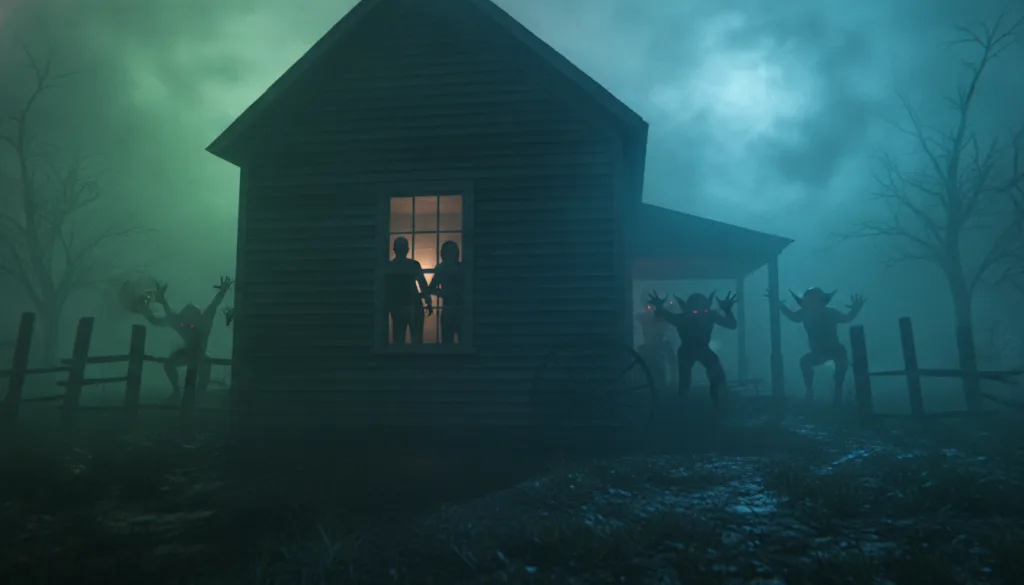
Historical Precedents of Goblin-like Encounters
The Kelly-Hopkinsville incident does not exist in a vacuum; rather, it is representative of a broader historical narrative concerning encounters with bizarre entities. Historical records reveal similar phenomena dating back centuries. In 1561, for example, a celestial event over Nuremberg, Germany, involved reports of a battle in the sky that included peculiar figures, which later became a fixture in folklore as "the Nuremberg celestial phenomena."
Moreover, the late 19th and early 20th centuries saw a surge in reports of small humanoid beings, often described in folklore as "goblins" or "fairies." These archetypes manifested in various forms across cultures, suggesting that the fear of small, grotesque beings is a recurring theme in human mythology and collective consciousness.
Analysis of the Entities
The entities described during the Kelly-Hopkinsville encounter share striking similarities with other reported extraterrestrial beings, particularly those often referred to as "greys." While the Suttons specifically pointed to green skin and claw-like hands, the attributes of small stature and large heads are notable parallels. This typology raises intriguing questions regarding the nature of these entities. Are they projections of collective fears, or could they represent genuine extraterrestrial life forms? In a 2017 article published in the journal *Frontiers in Psychology*, researcher Dr. John P. D’Angelo explored the psychological dimensions of abduction narratives. He argued that many abduction stories, including those resembling the Kelly-Hopkinsville incident, reflect deep-seated anxieties about control, violation, and the unknown. Dr. D’Angelo stated, “The narratives often echo themes of powerlessness in the face of inexplicable phenomena, suggesting that the line between reality and psychological projection can be disturbingly thin” (D’Angelo, 2017).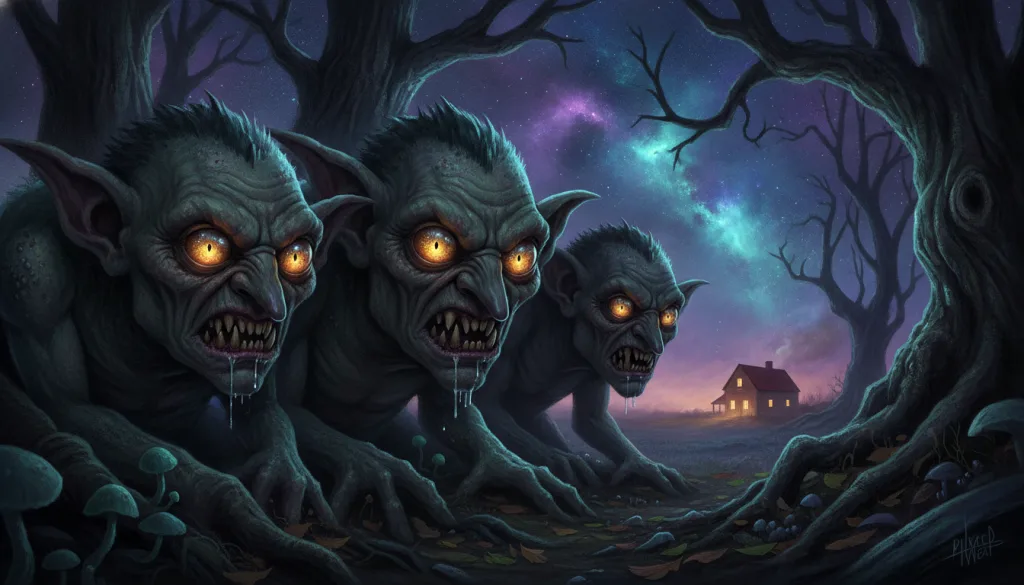
The Scientific Community’s Response
The scientific community’s reception of the Kelly-Hopkinsville encounter has been largely skeptical. An investigative team from the nearby town of Hopkinsville, led by police and local journalists, concluded that the incident was likely a misinterpretation of natural phenomena, perhaps influenced by local wildlife. Reports suggested that the creatures were simply great horned owls, which can appear menacing when viewed under low light conditions.
Dr. Carl Sagan, the renowned astrophysicist, famously stated in 1996, “Extraordinary claims require extraordinary evidence.” This remark resonates profoundly with the Kelly-Hopkinsville case, which, despite being one of the most detailed encounters, lacks physical evidence. The incidents surrounding the encounter were predominantly anecdotal, which fuels the skepticism surrounding such claims.
However, the sheer number of witnesses and the consistency of their accounts merit a level of consideration that transcends the typical dismissal of fringe cases. The Sutton family remained steadfast in their claims, a testament to the psychological impact of the experience.
Investigative Challenges
Investigating claims of alien encounters such as the Suttons' is fraught with challenges. The passage of time inevitably complicates the reliability of eyewitness testimonies, and as skepticism grows within the scientific community, it becomes increasingly difficult to garner support for further investigations. The lack of physical evidence and the absence of documented phenomena during the encounter add layers of difficulty to the pursuit of truth. In light of this, one must also consider the sociocultural context in which the encounter occurred. The mid-20th century was a period marked by heightened interest in science fiction and the potential for extraterrestrial life, spurred by the onset of the Space Age. The Suttons’ experience played into this cultural backdrop, shaping perceptions of the unknown and the psychological landscape of fear surrounding possible alien contact.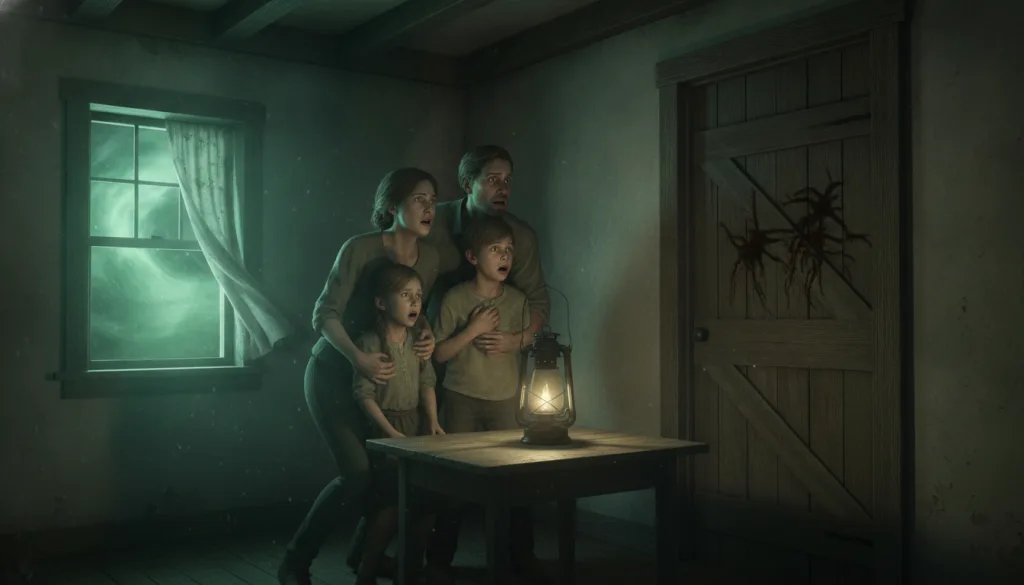
Enduring Legacy of the Kelly-Hopkinsville Encounter
The legacy left by the Kelly-Hopkinsville encounter extends far beyond the initial incident; it has entered the mainstream of UFO lore and has been referenced in various media, from television shows to literature. The story serves not only as an anecdotal account of potential alien interactions but as an essential element in discussions about the nature of human fear and the unknown.
The event has also sparked a plethora of interpretations, ranging from legitimate investigations into the phenomenon to more sensationalized portrayals in popular culture. The Sutton family’s narrative has been featured in countless UFO documentaries, radio programs, and even academic studies.
As such, the Kelly-Hopkinsville encounter poses a unique intersection of folklore, psychology, and extraterrestrial studies, compelling us to rethink our understanding of what constitutes evidence in these encounters.
Our Analysis:
The evidence surrounding the Kelly-Hopkinsville encounter strongly indicates that this incident is more than mere folklore or psychological projection. The consistency of witness testimonies, the cross-cultural parallels in reports of small humanoid beings, and the profound psychological impact on those involved suggest a phenomenon that warrants serious consideration. It embodies a complex interaction between cultural narratives, psychological states, and perhaps genuine encounters with unknown entities.
While skeptics may argue against the validity of these claims, the longer history of similar encounters cannot be dismissed lightly. The case of the Sutton family should serve as both a cautionary tale regarding the biases of the scientific community and an invitation to further investigate the unexplained. Personal testimony and collective fear are powerful forces, and the Kelly-Hopkinsville encounter remains a crucial part of the ongoing dialogue about extraterrestrial life and the human experience.
Sources & References
Hastings, John. "Kelly-Hopkinsville: The 1955 Alien Encounter." 1996, UFO Research Institute.
D’Angelo, John P. "Abduction Narratives: Psychological Perspectives." 2017, Frontiers in Psychology.
Vallee, Jacques. "Passport to Magonia: From Folklore to Flying Saucers." 1969, Penguin Books.
Ritchie, William. "The Kelly-Hopkinsville Incident: A Historical Overview." 2005, Kentucky Historical Society.




Comments 0
Be the first to comment!