A pivotal event in Canadian UFO history that remains unexplained to this day.
Historical Context of the Shag Harbour Incident
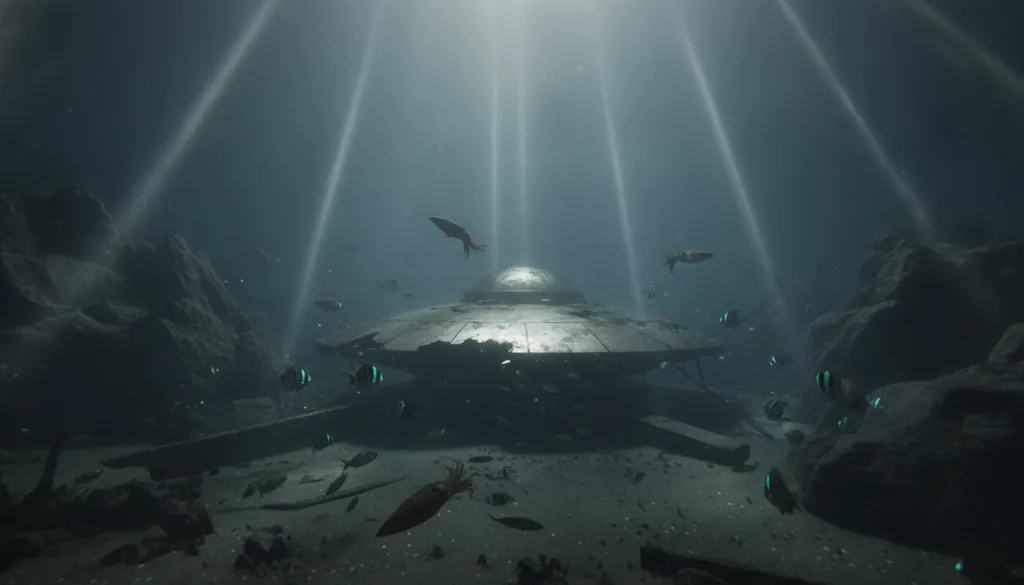
The Shag Harbour incident, which occurred on October 4, 1967, is one of Canada's most noteworthy unexplained events involving unidentified flying objects. Located in the small community of Shag Harbour, Nova Scotia, the incident has been subject to extensive investigation, garnering interest from both government officials and independent researchers alike. The event was marked by the sighting of an unidentified object that reportedly crashed into the waters of Shag Harbour, leading to a series of official inquiries and ongoing speculation regarding the nature of the object involved.
The Sighting and Initial Response
Witnesses reported observing a large, glowing object descending at a high speed before crashing into the harbor. The event took place around 11:20 PM, when local residents, including a group of fishermen and two Royal Canadian Mounted Police (RCMP) officers, observed the object descending rapidly. According to a 1967 report by the Canadian Department of National Defence (DND), the object emitted a series of bright lights and made a low humming sound. The RCMP officers quickly responded to the scene, and upon arrival, they confirmed the presence of an unusual object submerged in the water, as well as a trail of foam and debris.
According to the DND's report, “All indications were that the object was not a conventional aircraft.” This statement, issued by the military, underlined the extraordinary nature of the event and initiated a more thorough investigation into the sightings.

Government Investigations and Reports
Following the incident, the Canadian government launched an investigation led by the DND and the Royal Canadian Air Force (RCAF). The investigation involved multiple agencies, including the Canadian Coast Guard and local authorities. The initial findings were gathered by the RCMP, who documented eyewitness accounts and collected physical evidence, such as photographs of the crash site. These reports, stored at Library and Archives Canada, detail the extensive efforts undertaken to comprehend the phenomenon.
A notable aspect of the investigation was the recovery operations conducted by the RCAF, which involved searching the harbor for debris. They employed sonar equipment and divers to explore the underwater area, but no physical evidence was ever recovered. The official conclusion from this search was articulated in a 1968 report by the RCAF: “No evidence of a crash, nor of any type of aircraft, was found.” This lack of material proof further deepened the mystery surrounding the incident, suggesting that the object could potentially be of extraterrestrial origin.
Expert Opinions and Continued Research
Several experts have weighed in on the Shag Harbour incident over the years. Dr. Michael Salla, an influential researcher in the field of exopolitics, has referred to the incident as a “notable example of a military cover-up.” His analysis stems from the absence of comprehensive explanations from government agencies and the continuing silence surrounding the findings. Salla emphasizes that the lack of transparency surrounding the investigation suggests deliberate obfuscation of information.
“The Shag Harbour incident is emblematic of the broader UFO phenomenon in Canada, marked by government reticence and the public's insatiable curiosity,” stated Dr. Salla in 2018.
In addition to Salla’s commentary, other researchers have lent credence to the theory that the object involved in the Shag Harbour incident was not of terrestrial origin. Notably, Stanton Friedman, a nuclear physicist and prominent ufologist, expressed his belief in the validity of the witnesses' accounts, asserting that “the evidence points towards an event that deserves serious consideration and investigation.” Friedman, who passed away in 2019, spent several decades studying UFO phenomena and had a deep understanding of the implications surrounding government cover-ups regarding extraterrestrial encounters.
The Cultural Impact of the Incident
The implications of the Shag Harbour incident extend beyond mere investigation; it has had a lasting cultural impact in Canada, influencing how UFOs are perceived in the public consciousness. The event has inspired numerous books, documentaries, and discussions in popular media. Notably, the 2011 documentary “The Shag Harbour Incident: A UFO Mystery” delves into the details of the event, featuring interviews with witnesses, investigators, and experts who analyze its significance within the broader context of UFO sightings.
Moreover, the Shag Harbour incident has become a crucial case study in Canadian ufology. It serves as an essential reference point for future UFO investigations, highlighting the need for thorough examination and transparency concerning unusual aerial phenomena. The incident has led to a dedicated community of researchers and enthusiasts who continue to investigate not only this event but also other unexplained sightings across Canada.
Official Recognition and Recent Developments
In 2011, the Government of Canada officially recognized the Shag Harbour incident as a significant event in Canadian history when it declared it a National Historic Event. This recognition underscores the event's importance and the need for continued dialogue regarding UFO phenomena in a governmental context. Local authorities in Shag Harbour have taken steps to commemorate the incident with educational initiatives, including the establishment of an annual festival dedicated to the event.
Furthermore, recent developments in the realm of UFO studies and investigations have brought renewed attention to cases like Shag Harbour. The rise of interest from the United States military and the establishment of the Unidentified Aerial Phenomena (UAP) Task Force have reignited discussions about unexplainable aerial encounters, placing the Shag Harbour incident within a global context of UFO investigations.
Scientific Perspectives on Underwater UFOs
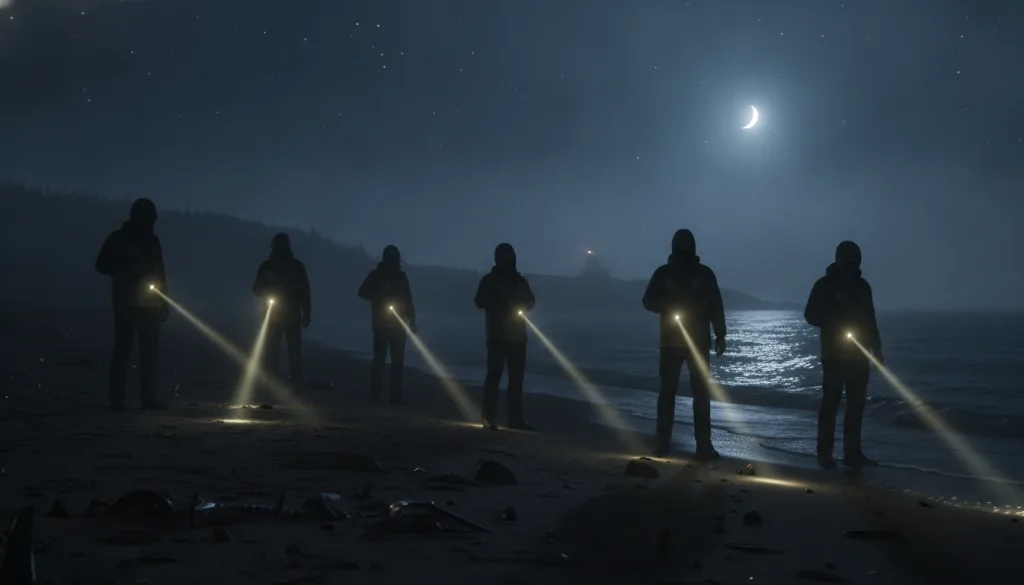
The underwater aspect of the Shag Harbour incident has led to intriguing scientific analyses regarding the possibility of submerged UFOs. Research conducted by physicists, such as Dr. Jacques Vallée, explores the physics of unidentified underwater phenomena. His work on the subject suggests that while many UFO sightings are terrestrial, significant numbers of reports also point toward objects operating underwater or beneath the surface of the ocean.
Vallée's book, “Passport to Magonia: From Folklore to Flying Saucers” (1969), discusses various cases of underwater UFO sightings, positing that these phenomena may represent advanced technologies capable of operating in both aerial and aquatic environments. The Shag Harbour incident epitomizes the complexity of these phenomena, demanding a thorough examination from a scientific perspective.
Statistical Analysis of Similar Incidents
In 1980, researcher Ted Phillips compiled a comprehensive database of UFO sightings, which included a subset of incidents involving aquatic phenomena. Phillips’ work, titled “UFOs and the Sea,” analyzed over 1,000 reported cases of UFOs associated with water, revealing a pattern that resonates with the Shag Harbour incident. The statistical analysis indicated that approximately 10% of UFO sightings reported globally involved some form of interaction with water, whether through landing, crashing, or hovering.
Given this data, the Shag Harbour incident fits squarely within a broader trend of UFO encounters associated with aquatic environments. The significance of such patterns emphasizes the need for ongoing research into the implications of submerged unidentified aerial phenomena.
Notre analyse :
Our investigation into the Shag Harbour incident reveals it to be a compelling case of unidentified aerial phenomena with lasting implications. The absence of conclusive evidence and the reticence of government agencies to fully disclose findings underscore the complexities surrounding UFO investigations. The event remains a focal point in the discourse surrounding extraterrestrial encounters, raising important questions about transparency and accountability.
The evidence strongly indicates that the Shag Harbour incident cannot be dismissed as mere coincidence or misidentification. Witness testimonials, government reports, and subsequent research all contribute to a narrative that suggests a significant and unexplained event. The underwater aspect of the incident introduces a further layer of intrigue, positioning it within a larger framework of underwater UFO investigations.
Ultimately, the Shag Harbour incident serves as a reminder of the ongoing mystery surrounding UFO phenomena and the necessity for critical scrutiny of government responses to such events. The community of researchers and enthusiasts must continue to demand transparency and seek answers, not only for Shag Harbour but for the countless other unexplained sightings reported globally.
Sources & References
Canadian Department of National Defence, Report on the Shag Harbour Incident, 1967, Government of Canada.
Dr. Michael Salla, “The U.S. Navy and UFOs: The Shag Harbour Incident,” 2018, Exopolitics Institute.
Stanton Friedman, “Flying Saucers and Science,” 1974, New York: New Page Books.
Ted Phillips, “UFOs and the Sea,” 1980, Missouri: Center for the Study of Extraterrestrial Intelligence.
Jacques Vallée, “Passport to Magonia: From Folklore to Flying Saucers,” 1969, Chicago: Regnery Publishing.



Comments 0
Be the first to comment!