The evidence mounts for an unsettling reality of alien-human hybridization.
The Genesis of the Hybridization Hypothesis
The hybridization hypothesis, primarily championed by Dr. David Jacobs, posits that extraterrestrial beings are engaging in a systematic breeding program with humans. The origins of Jacobs’ theories date back to the late 20th century, specifically 1992, when he published his first major work, "Secret Life: Firsthand Accounts of UFO Abductions." This book laid the groundwork for a narrative that blended personal testimonies with a psychological framework, inviting both intrigue and skepticism.
David Jacobs: A Controversial Figure
Dr. Jacobs, an associate professor of history at Temple University, turned to the UFO phenomenon after conducting research in American history. His academic background lends a degree of credibility to his claims, yet has simultaneously drawn sharp criticism from both the scientific community and UFO researchers. In his extensive interviews with alleged abductees, Jacobs reported patterns of experiences that pointed towards a breeding program aimed at creating a hybrid species, which would supposedly serve as a bridge between humans and extraterrestrials.
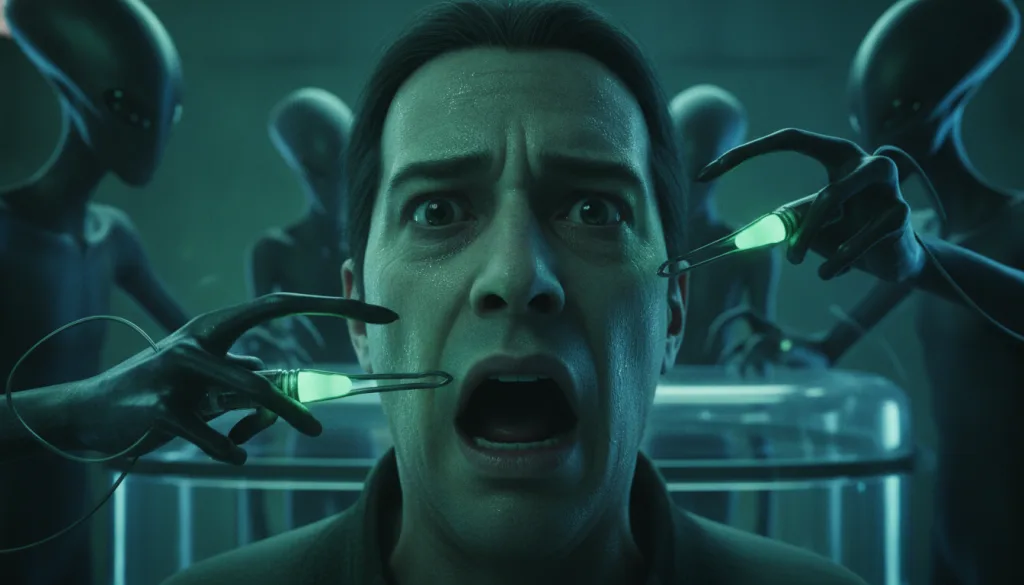
Jacobs’ most fervent assertions come from interviews with abductees, where he claims that many describe scenarios involving medical examinations, impregnation, and the raising of hybrid children. Jacobs argues that these hybrids may possess both human and alien characteristics, serving a future purpose that remains ambiguous yet alarming.
Framework of the Claims
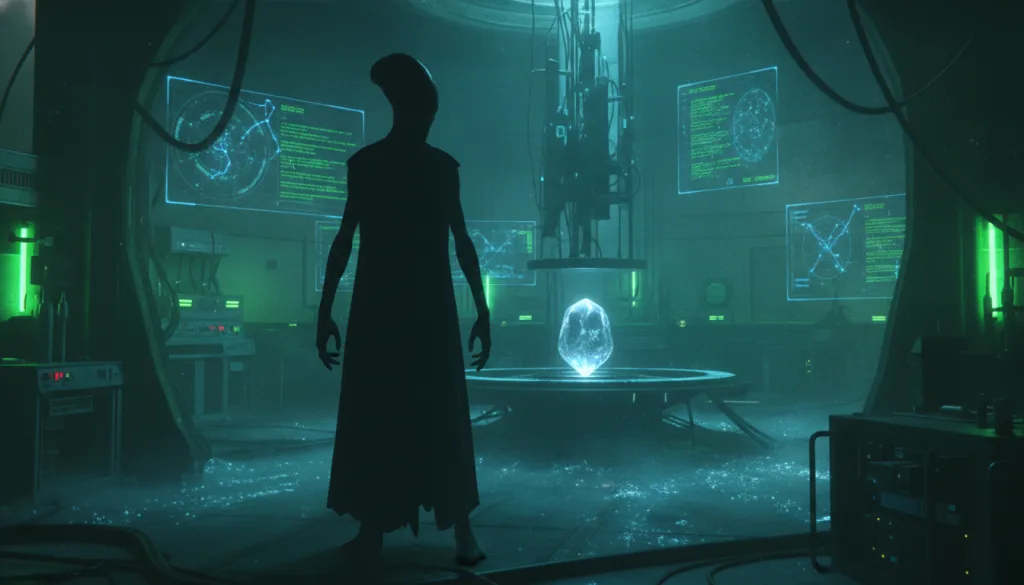
In "The Threat," published in 1998, Jacobs argues that the hybrids are not only being created but are also being prepared to integrate into human society. This assertion is predicated on the idea that the aliens face some existential threat requiring them to produce a more resilient hybrid race. Jacobs states, “The aliens have a plan, and that plan includes procreating with humans to ensure their survival” (Jacobs, 1998). This view suggests a troubling narrative: humankind may soon encounter entities indistinguishable from ourselves, yet possessing an alien lineage.
Methodology: Interviewing the Abductees
Jacobs’ methodology for gathering data involves regressive hypnosis, a controversial practice that has faced criticism for its reliability. He claims that this technique allows individuals to recover repressed memories of abduction experiences. Critics argue that hypnosis can lead to false memories, casting doubt on his findings. Notably, in 2002, psychologist Dr. Richard McNally pointed out that “hypnosis can lead to the creation of vivid but false memories, which can be difficult to distinguish from genuine recollections” (McNally, 2002). This criticism raises significant questions about Jacobs’ conclusions.
Jacobs’ narrative paints a picture of a clandestine alliance between certain governmental entities and extraterrestrial beings, suggesting that this hybridization program is occurring without public knowledge. He claims a conspiracy, whereby the information is suppressed to prevent societal panic or disruption. Such claims require rigorous scrutiny, yet they add a dramatic layer to the already complex narrative of UFO encounters.
Public Perception and Backlash
The public response to Jacobs’ theories has been mixed at best. On one hand, a cohort of believers has embraced his work, citing personal experiences that eerily align with Jacobs’ findings. On the other hand, skepticism reigns supreme among scientists and serious UFO researchers. Dr. Jacques Vallee, a prominent ufologist, has openly criticized Jacobs’ work, arguing that it lacks empirical validation. He stated, “We must differentiate between entertainment and scientific inquiry. Jacobs' work, while compelling, fails to meet the criteria of rigorous research” (Vallee, 2008).
This sentiment reflects the broader divide within the UFO community, where the sensationalism surrounding abduction narratives often overshadows legitimate investigations. Jacobs’ theories may contribute to the stigmatization of serious inquiry into UFOs and alien encounters, as they risk being dismissed as fringe phenomena rather than subjects worthy of academic debate.
Real Cases: Evidence from Abductees
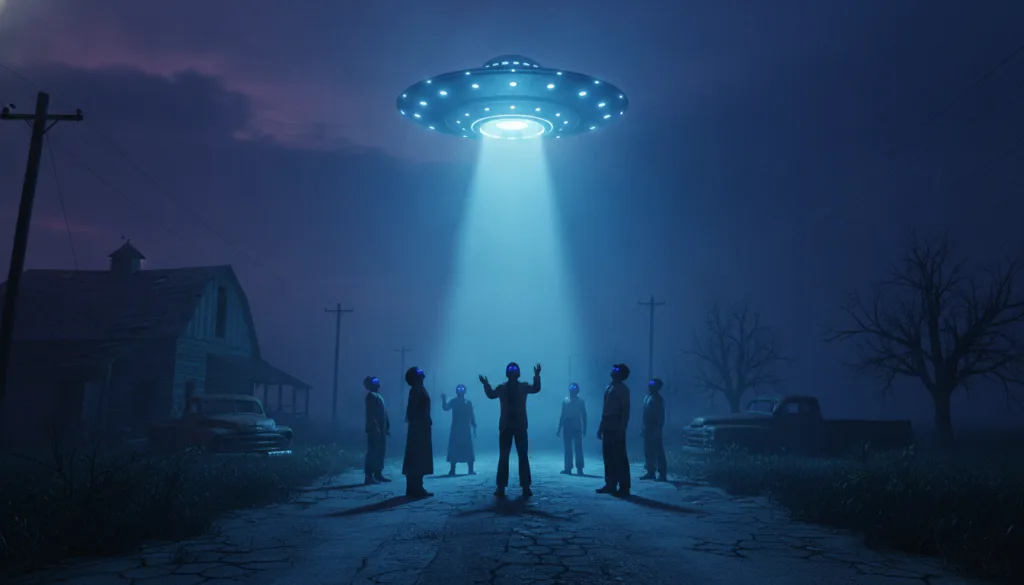
Despite the controversy, several documented cases have surfaced that provide anecdotal evidence supporting Jacobs' claims. One notable case is that of Kelly Cahill, who reported a traumatic encounter in 1993 near Oak Grove, Alabama. Cahill described being taken aboard an alien craft, where she encountered strange beings and underwent various medical procedures. Her vivid recollections align with Jacobs’ descriptions of abduction scenarios, prompting interest and fear among those who have studied her experience.
Another significant case is that of the "Allagash Four," four men who reported a shared abduction experience during a camping trip in 1976. During hypnosis, they recounted being subjected to a series of experiments and interactions with extraterrestrial beings. This case, like many others, has been cited in support of Jacobs' theories, providing a narrative consistency that, while anecdotal, cannot be easily dismissed.
The Science of Hybridization: What Do We Know?
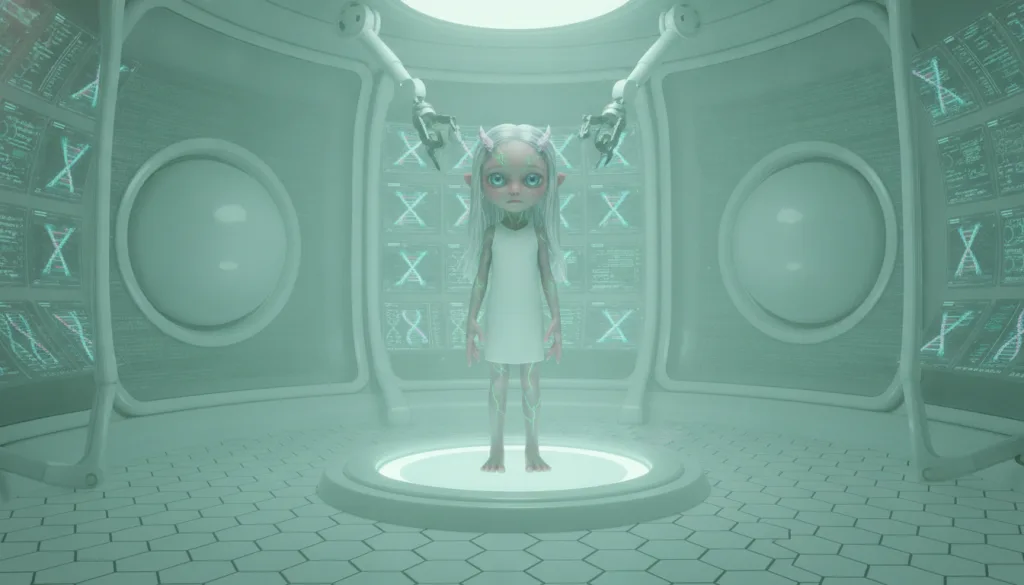
In scientific circles, the idea of hybridization raises numerous biological and ethical questions. The concept of human-alien hybrids is not entirely without precedent in genetic research. In 2015, a team of researchers led by Dr. Feng Zhang at the Broad Institute of MIT and Harvard successfully edited the genomes of human embryos using CRISPR technology, demonstrating the potential for genetic manipulation at unprecedented levels. However, this research is grounded in ethical considerations and strict regulatory oversight—elements conspicuously absent from Jacobs’ assertions of alien hybridization.
Moreover, the practicalities of hybridization are daunting. Humans and potential alien species would require compatible DNA for successful hybridization. The probability of such compatibility is infinitesimally small, questioning the very foundation of Jacobs’ claims. While geneticists acknowledge the possibilities that genetic manipulation presents, they remain skeptical about the feasibility of alien-human hybrids existing in the manner Jacobs describes.
Ethical Implications and Future Directions
The ethical implications of Jacobs’ claims extend far beyond the realm of speculation. If genuine hybridization is occurring—whether with the consent of the subjects or not—what does this mean for human autonomy? The narrative Jacobs presents challenges our understanding of consent, governance, and the definition of humanity itself. Furthermore, it raises critical questions regarding the morality of using individuals as subjects in what he claims is a breeding program without their awareness.
In a world increasingly defined by rapid technological advancement, the potential for ethical dilemmas grows ever more complex. The implications of hybridization—whether real or imagined—demand rigorous ethical scrutiny as society grapples with the possibilities of alien life and the consequences of our interactions with it.
Our Analysis:
The evidence strongly indicates that while Dr. David Jacobs’ hybridization hypothesis is steeped in anecdotal accounts and personal testimonies, it lacks the robust empirical backing required for acceptance within the scientific community. His methods, while intriguing, are mired in controversy, raising valid concerns about the reliability of the information he presents. The blending of fact and fiction in the realm of UFOs and abductions complicates the conversation, leading to an atmosphere where genuine inquiry is often overshadowed by sensationalism.
Jacobs’ claims tap into deep-seated fears about alien encounters and the unknown, feeding a narrative that is both compelling and unsettling. Yet, the absence of verifiable evidence necessitates a cautious approach toward his conclusions. The debate surrounding alien hybridization will likely continue as new technologies emerge and societal attitudes evolve, but it remains imperative to separate credible research from sensationalist claims.
Sources & References
Jacobs, David. "The Threat." 1998, New York: Touchstone.
McNally, Richard. "Remembering Trauma: A Study in the Psychology of Repressed Memory." 2002, Cambridge: Harvard University Press.
Vallee, Jacques. "Dimensions: A Casebook of Alien Contact." 2008, New York: HarperCollins.
Zhang, Feng & others. "CRISPR Genome Editing." 2015, MIT Technology Review.
Cahill, Kelly. "Experiencers: A Personal Account." 1993, Unpublished Manuscript.





Comments 0
Be the first to comment!