A profound encounter that reshaped the understanding of abduction phenomena.
Setting the Stage for a Pioneering Encounter
The night of September 19, 1961, marked a significant turning point in extraterrestrial lore and abduction narratives. Betty and Barney Hill, a couple from Portsmouth, New Hampshire, became the first publicly known individuals to report being abducted by extraterrestrial beings. This case not only captured the imagination of the American public but also laid the groundwork for future abduction reports. The Hills, both of whom were active members of their community—Betty worked as a social worker while Barney was a postal supervisor—encountered an experience that would ripple through the decades, inspiring both skepticism and belief.
On a balmy night, the couple was driving home from a vacation in Niagara Falls, a trip that had already enriched their lives. Their journey took an unexpected turn around 10:30 PM when they began witnessing an unusual light in the sky. According to Betty's account during a 1965 interview with the Boston Globe, the light "was moving in a way that no ordinary aircraft would." The couple’s eventual encounter occurred near Franconia Notch, a region known for its natural beauty yet filled with an air of enigma.

Details of the Abduction: The Missing Hours
After the sighting, the Hills experienced a puzzling lapse of time. They reported feeling an inexplicable sense of dread and confusion, culminating in a loss of approximately two hours. When they arrived home, they were unaware of what had transpired during that time. This phenomenon of missing time became a defining feature of many subsequent abduction accounts. In the decades since, this case has been extensively analyzed by researchers including Dr. David Jacobs, whose 1992 book "Secret Life: Firsthand Accounts of UFO Abductions" offers a detailed examination of the psychological and physical ramifications of such experiences.
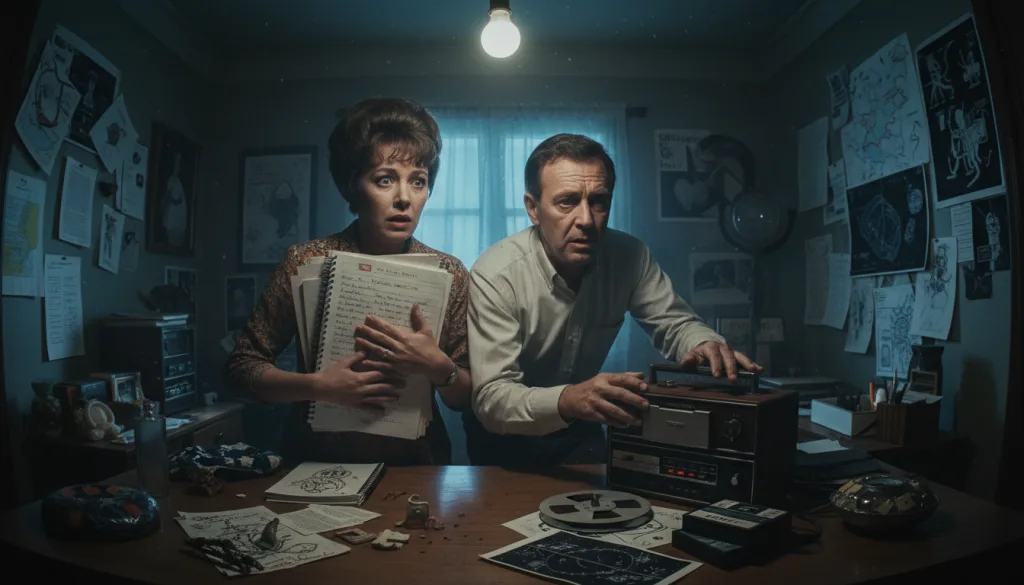
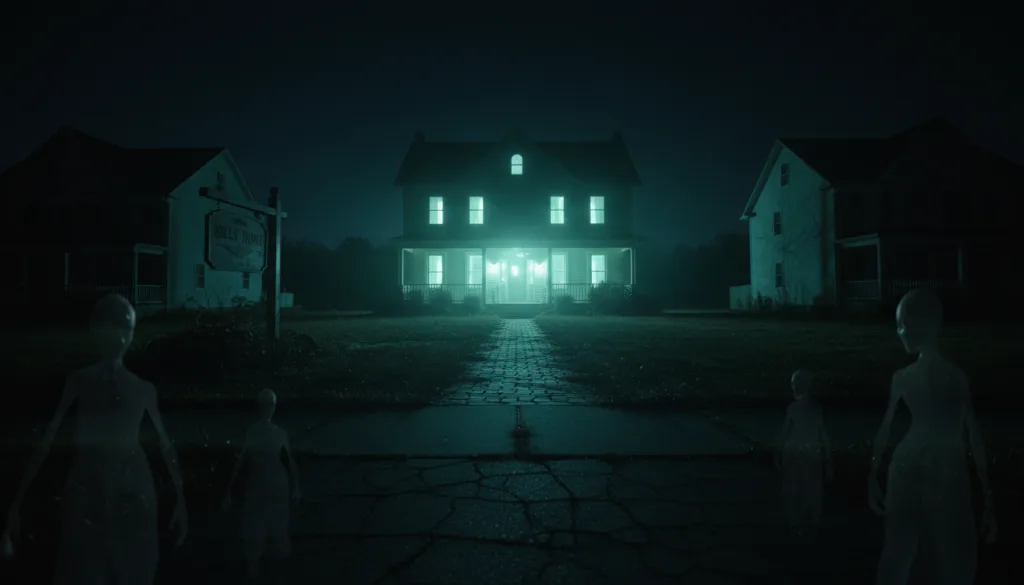
The Hills' first formal recollection of events occurred during a hypnosis session conducted by Dr. Benjamin Simon, a psychiatrist renowned for his work with trauma victims. In 1964, Simon helped the couple recover memories of their experience. During these sessions, Betty described being taken aboard an alien craft where she met beings she referred to as "the extraterrestrials." What emerged was a detailed description of various medical examinations performed on her and Barney, which included the use of instruments that were otherworldly in nature. The imagery Betty provided—of odd, elongated beings with large eyes—became archetypical for future abduction narratives.

Impact on the UFO Phenomenon and Public Perception
As the Hills' account gained traction, it ignited a wave of interest in UFO phenomena that crossed cultural lines and geographical boundaries. In 1966, the publication of "The Interrupted Journey," co-authored by John G. Fuller, further popularized their story, drawing in academics and enthusiasts alike. The concept of alien abduction entered the public consciousness as an increasingly credible phenomenon, leading to a surge in similar reports throughout the 1970s and 1980s.
The Betty and Barney Hill case also provoked critical analysis from skeptics. Prominent figures such as Carl Sagan expressed skepticism regarding the validity of abduction stories. In his 1995 book "The Demon-Haunted World," Sagan posited that such experiences could be attributed to sleep paralysis or other psychological phenomena, suggesting the limitations of human perception when faced with the unknown. However, the Hills' narrative endured, demonstrating a profound cultural shift toward accepting the possibility of extraterrestrial contact.

The Psychological Dimension of Abduction Stories
The psychological aspects of the Hills' experience have been scrutinized for decades. In 1993, the American Psychological Association published a study by Dr. Bruce M. Hood that addressed the memory's malleability, particularly how hypnosis could distort recollections. This aspect plays a crucial role in understanding why the Hills' story became a pivotal talking point. The idea that hypnosis could create vivid but false memories could undermine the validity of abduction claims, but it does not completely explain the Hills' experience or its lasting impact on the field of ufology.
Notably, Betty Hill's accounts during her sessions with Dr. Simon introduced elements that have since become standard in abduction narratives—detailing gray aliens, bright lights in the sky, and the notion of being subjected to medical examinations. The psychological framework around these experiences continues to be a point of contention. In a study titled "The Abduction Phenomenon: A Psychological Analysis" published in 2015, Dr. Susan Clancy, a research psychologist at Harvard University, examined the experiences of abductees. The evidence strongly suggests that many abduction claims stem from complex interactions of memory, belief, and cultural context rather than actual events.
Lasting Legacy: The Ongoing Cultural Resonance
Decades after their experience, the Hills became cultural icons, embodying the intersection of fear, wonder, and the unknown. In 2007, a documentary entitled "Betty and Barney Hill: The First Family of UFOs" aired, reviving interest in their story and contextualizing it within contemporary UFO culture. This documentary underscored the significance of the Hills’ encounter as a catalyst for public discourse about extraterrestrial life and the psychological implications of such experiences.
As we mark 60 years since that fateful night, the Hills’ story continues to resonate deeply in various subcultures. The narrative has transcended the boundaries of ufology and permeated art, literature, and even film. In 1975, the television movie "The UFO Incident" dramatized their experience, further embedding it into the fabric of American popular culture. This portrayal brought the abduction phenomenon into living rooms across the nation, presenting it as both a thrilling mystery and a cautionary tale about confronting the unknown.
Contemporary Research and the Evolution of Abduction Theory
Current researchers continue to investigate the complex phenomenon of alien abduction. In recent years, the Mutual UFO Network (MUFON) has conducted numerous studies into reported abductions, revealing patterns that echo the Hills' experience. The organization has established a comprehensive database that includes thousands of abduction cases, allowing for an analysis that sheds light on the nuances of this phenomenon. In 2020, MUFON reported that 19% of its cases involved elements reminiscent of the Hills' encounter, including missing time and physical examinations by non-human entities.
Moreover, recent advancements in neuroscience have opened new avenues for understanding the psychological dimensions of these accounts. In 2021, researchers from the University of Massachusetts published a study that analyzed brain activity during reported abduction experiences. Their findings suggested that certain neural pathways activated during traumatic experiences could lead to vivid recollections that feel real to the individual, further complicating the dialogue around truth and perception in abduction narratives.
The Need for Objective Analysis in a Subjective Realm
As the Betty and Barney Hill case continues to be a touchstone in UFO research, the critical need for objective analysis becomes even more apparent. Researchers and enthusiasts must tread carefully, distinguishing between genuine experiences and those influenced by cultural narratives or psychological phenomena. The Hills’ story—both their encounter and the subsequent analyses—offers invaluable lessons regarding the complexities of human perception and the societal implications of claiming contact with extraterrestrial life.
Betty Hill remained a strong advocate for UFO research until her passing in 2004, while Barney passed away in 1969. Their legacy serves as a reminder of the human desire to understand the cosmos and the enigmatic possibilities it holds. The Hills' experience demonstrated how individual encounters can shape public understanding and acceptance of extraterrestrial phenomena, making it imperative for today’s researchers to approach the subject with both rigor and empathy.
"I knew that UFOs existed, and I knew that there was some sort of a connection with what I experienced." — Betty Hill
Reflecting on the case 60 years later, it is evident that the Hills’ experience was not merely an isolated incident but a catalyst for a broader understanding of humanity's place in the universe. As more people come forward with their own abduction stories, it becomes increasingly important to analyze these accounts with care, considering both the psychological implications and the cultural narratives at play.






Comments 0
Be the first to comment!