A meticulous examination of Budd Hopkins' findings reveals alarming consistency in alien abduction experiences.
The Foundation of Research: Budd Hopkins’ Contributions
Budd Hopkins, an American artist and author, became a pivotal figure in the field of UFOlogy, particularly regarding alien abduction phenomena. His work, which began in earnest during the late 1970s, paved the way for a more systematic approach to understanding these enigmatic experiences. In 1981, he published his seminal book, "Missing Time," which explored the accounts of individuals who reported abductions. This publication catalyzed a wave of interest in the abduction narrative, shifting the conversation from mere sightings to personal testimonies.
Initial Case Studies
Hopkins’ first major case involved a couple, Linda and Charles, who reported a terrifying encounter in 1980 in Cape Cod, Massachusetts. They described being seized by a bright light and taken aboard a craft. Upon their return, they experienced significant gaps in memory—an aspect that would become a hallmark of many abduction cases. Hopkins meticulously documented their experiences, conducting hypnotic regression sessions that revealed a series of unsettling details, including examinations and communications with non-human entities. This method of regression became a standard tool in abduction research, though it has since faced scrutiny for its reliability.
Patterns and Typologies in Abduction Reports
Through his extensive casework, Hopkins identified recurring patterns that emerged across numerous abduction accounts. The evidence strongly suggests that these patterns are not mere coincidences but indicative of a broader phenomenon that transcends individual experiences.
Commonalities in Experience
Hopkins’ research files, which include over 100 individual case studies, reveal several consistent themes. First and foremost, most abductees report missing time, often spanning hours or even days. For example, in 1983, a case in New York highlighted the experience of a man named John, who lost three hours of time during a drive home. Upon regaining consciousness, he found himself several miles from where he last remembered being, with no explanation.
Moreover, many abduction stories include descriptions of similar entities—often characterized as small, gray beings with large heads and eyes. This typology aligns with the descriptions recorded by other researchers, such as Dr. David Jacobs, who compiled accounts of over 150 abductions in his 1992 book, "Secret Life." The consistency of these descriptions across varied geographical locations and different individuals strengthens the argument for a collective experience.
Hypnotic Regression: A Double-Edged Sword
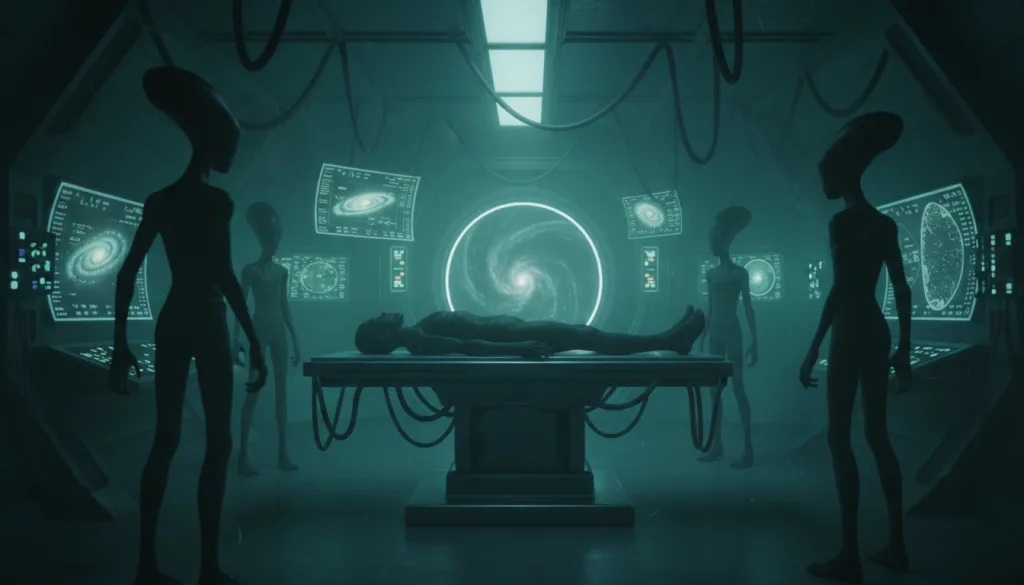
One of the most controversial aspects of Budd Hopkins' research is his use of hypnotic regression to retrieve memories of abduction experiences. While many proponents argue that this technique yields valuable insights, critics contend that hypnosis may create false memories rather than uncovering genuine experiences. In 1993, psychologist Elizabeth Loftus conducted a significant study that demonstrated how easily individuals could be led to remember fabricated events through suggestive questioning during hypnosis.
The Role of Suggestion
In many cases documented by Hopkins, the use of hypnosis often led to vivid recollections of alien encounters that seemed disturbingly detailed. However, this raises questions about the reliability of such accounts. In his 1995 study, "The Science of False Memory," Loftus emphasized how memory is malleable and susceptible to external influence. As such, while Hopkins’ findings may reflect a trend, it is crucial to consider the caveats surrounding memory retrieval techniques.
The Broader Implications of Hopkins' Research
The ramifications of Hopkins' work extend beyond the realm of individual experiences. His investigations into abductions have fueled discussions about the nature of extraterrestrial visitation and its impact on humanity. In 1994, physicist and futurist Michio Kaku postulated that if alien life forms were indeed visiting Earth, their intentions could range from benevolent to malevolent, a notion echoed in many abduction narratives.
Cultural Reflection in Anomalous Experiences
The patterns identified by Hopkins can be viewed not only as isolated incidents but also as reflections of broader societal fears and fascinations. In her 2019 book, "Aliens in America," anthropologist Susan Lepselter argues that the narratives surrounding abductions mirror cultural anxieties related to technological advancement, loss of control, and existential dread. This perspective invites a more profound contemplation of why these experiences resonate so deeply within the collective consciousness.
Case Studies of Notable Abductions
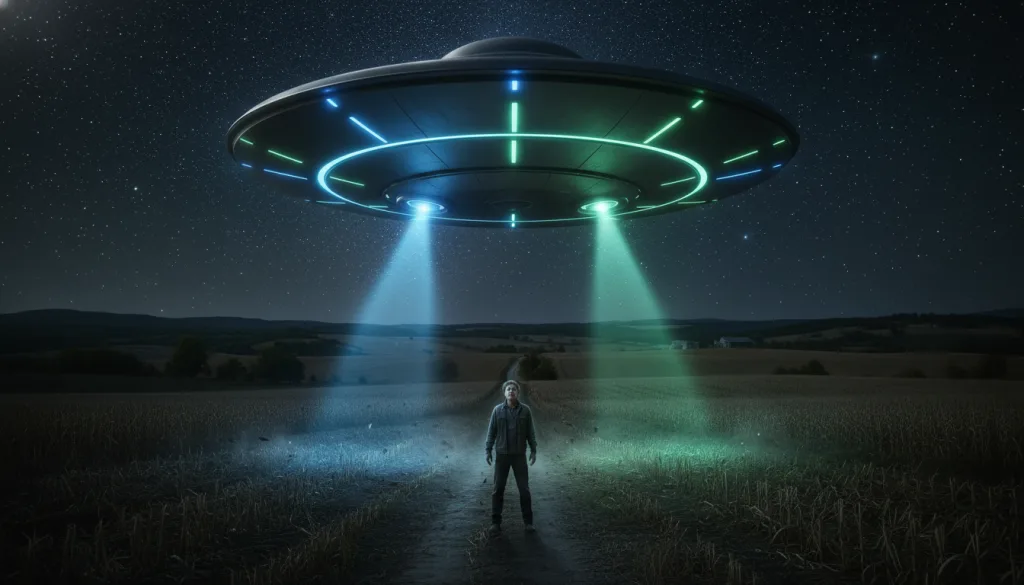
Several specific cases documented by Budd Hopkins illuminate the recurring themes and patterns typical of alien abduction experiences. Each case contributes to a more comprehensive understanding of what these encounters entail and how they are perceived by those who undergo them.
The Case of Kelly Cahill
In 1993, Kelly Cahill, an Australian woman, reported a harrowing encounter in which she was abducted by alien beings while driving near the town of Gippsland. During her experience, she described a glowing craft and beings that communicated telepathically. Upon her return, she discovered strange markings on her body and a significant time lapse. This incident is significant not only for its vivid detail but also for the psychological impact it had on Cahill, leading her to seek out counseling and support. The psychological aftermath of such experiences is a common thread among many abduction reports, further reinforcing the need for careful examination and support for alleged victims.
Connecting the Dots: Scientific Perspectives
The scientific community has approached the phenomenon of alien abduction with varying degrees of skepticism and curiosity. In 2018, a study by the American Psychological Association highlighted the psychological factors that contribute to the perception of abduction experiences, noting that sleep paralysis and vivid dreams could often be misinterpreted as extraterrestrial encounters. This perspective reinforces the necessity for a multidisciplinary approach to the phenomenon.
The Neurological Angle
Neuroscientist Dr. Susan Blackmore's work in the 1990s focused on the neurological underpinnings of reported alien encounters. Blackmore posited that experiences of alien abduction may stem from a combination of sleep disruptions and psychological factors, emphasizing the brain's role in creating vivid and sometimes distressing hallucinations. This understanding offers a potential explanation for the cognitive dissonance often observed in abduction narratives, as described in Hopkins' files, where individuals experience both terror and wonder in their recollections.
Legacy of Budd Hopkins' Work
Despite the controversies surrounding the methodologies employed by Budd Hopkins, his legacy in the field of UFOlogy is undeniable. His research files represent a comprehensive archive of abduction experiences that continue to fuel debate and intrigue. In 2011, the Mutual UFO Network (MUFON) acknowledged Hopkins' contributions to the understanding of alien abductions, recognizing the importance of his case studies in shaping public and scientific discourse.
Contemporary Relevance
The conversations initiated by Hopkins' work have evolved in the context of modern technological advancements and social developments. As new theories about extraterrestrial life emerge, the importance of examining historical accounts such as those collected by Hopkins cannot be overstated. For instance, in 2020, a report from the United States Department of Defense addressed unidentified aerial phenomena, reigniting interest in the potential for extraterrestrial contact. The implications of these discussions echo elements found in Hopkins' research files, as they explore the unknown and challenge the boundaries of human understanding.
Conclusion: Comprehending the Unfathomable
In reviewing the findings of Budd Hopkins and the patterns identified within his research files, it becomes evident that the phenomenon of alien abduction is complex, multifaceted, and deeply intertwined with human psychology and culture. The evidence strongly supports the existence of a consistent narrative across reported experiences, while also underscoring the necessity for critical examination of the methodologies employed to gather this information. The narratives captured by Hopkins serve as both a mirror to societal fears and an invitation to explore the unknown, compelling both researchers and skeptics alike to confront the implications of what lies beyond our understanding.





Comments 0
Be the first to comment!