The existence of extraterrestrial implants requires rigorous examination of scientific data and witness testimony.
The Historical Context of Extraterrestrial Implants
In the evolving narrative surrounding unidentified flying objects (UFOs) and alleged encounters with extraterrestrial beings, the phenomenon of implants has emerged as a particularly controversial topic. The first well-documented case occurred in 1967 when Dr. J. Allen Hynek, an astronomer and ufologist, began to investigate claims made by Betty and Barney Hill regarding their abduction experience. During their encounter, which took place in New Hampshire on September 19-20, the Hills asserted that they were subjected to medical examinations, and Betty specifically mentioned that researchers had implanted a device in her. This claim laid the groundwork for further investigation into the nature and existence of extraterrestrial implants.
Notable Cases and Testimonies
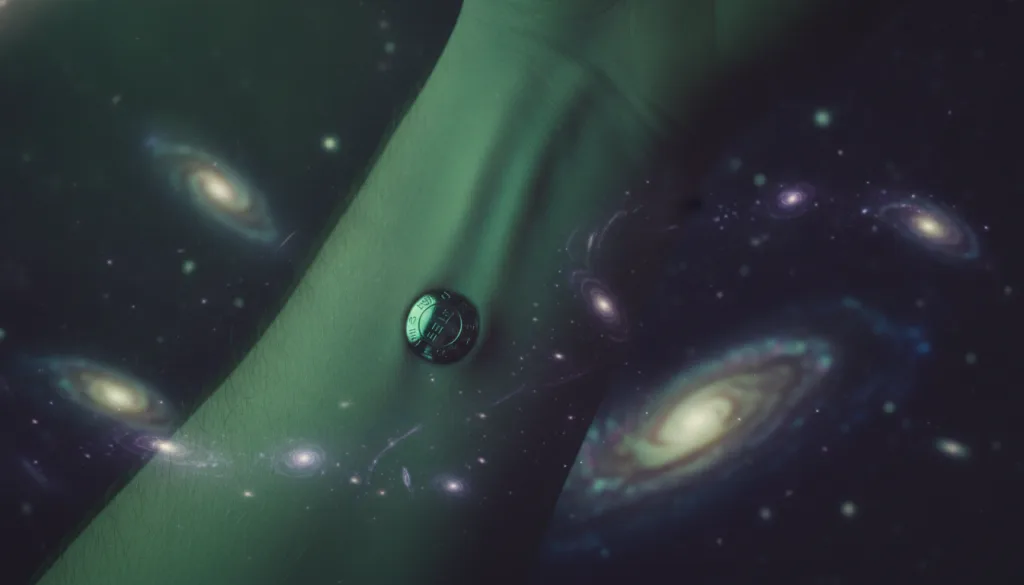
Several cases have gained prominence within the ufological community, highlighting the alleged presence of extraterrestrial implants. One notable instance took place in 1979 when a man named John M. received medical attention in Brazil. He reported a small metallic object lodged in his leg. This object was surgically removed and subsequently analyzed. Dr. Roger Leir, a podiatric surgeon and prominent figure in the field, became involved in such cases. He performed surgeries on patients who claimed to have extraterrestrial implants, beginning with John M. in 1995. Leir’s analysis of these implants typically revealed materials such as metals and organic matter.
Scientific Investigation of Implants
The scientific community has exhibited mixed responses to the claims surrounding extraterrestrial implants. Despite skepticism, some researchers have engaged in investigations that seek to analyze these purported phenomena through scientific methodologies. In 2006, a study published in the Journal of Scientific Exploration by Dr. Eric W. Davis examined several implants that had been purportedly removed from individuals claiming abduction experiences. The findings indicated that some implants contained unusual isotopic ratios, suggesting a composition foreign to Earth. This study, albeit limited, added a layer of complexity to the discussion regarding the origin and legitimacy of these objects.
Physical Characteristics and Anomalies
Analysis of the physical characteristics of alleged extraterrestrial implants has revealed some common traits. Many reported implants measure less than one centimeter in size and often display a smooth, metallic surface. Materials frequently identified in these objects include aluminum, titanium, and organic compounds. Notably, some researchers such as Dr. Leir have described the presence of biological materials, including cellular structures that do not match human tissue. This phenomenon raises significant questions around the implants' origins and purposes.
“The evidence surrounding these implants is compelling, yet it does not conclusively prove extraterrestrial involvement. More rigorous scientific inquiry is necessary.” — Dr. Eric W. Davis, 2006

The Role of Psychological Factors
A critical aspect of the extraterrestrial implant narrative involves the psychological experiences reported by individuals who claim to have been abducted. Dr. David Jacobs, a historian and abduction researcher, has detailed a range of psychological responses associated with these encounters. In his book, "The Threat" (1998), Jacobs suggested that individuals experiencing abduction phenomena often exhibit symptoms of post-traumatic stress disorder (PTSD), leading to questions about the validity of their experiences. Psychological factors, such as false memory syndrome and sleep paralysis, can complicate the narrative surrounding implants.
Case Studies of Psychological Influence
One thorough investigation was conducted by Dr. John Mack, a Harvard psychiatrist known for his work on the psychological implications of alien abduction. In his 1994 book, "Abduction: Human Encounters with Aliens," Mack presented case studies that suggested a correlation between trauma and the perception of extraterrestrial involvement. Mack's work highlights the importance of distinguishing between physical evidence and psychological interpretations of experiences, a distinction that remains critical when analyzing the legitimacy of implants.

Technological and Medical Analysis
Medical professionals have increasingly sought to apply rigorous scientific techniques to analyze purported extraterrestrial implants. High-resolution imaging technologies, such as MRI and X-ray, have been employed to assess the physical presence and characteristics of these objects. Dr. Leir's use of surgical extraction methods has provided an avenue for further investigation, yet questions remain about sample contamination and the integrity of the surgical process.
Critical Examination of Surgical Protocols
In 2004, Dr. Leir performed a surgical extraction on a patient named “J.M.” in California, removing what he claimed was an extraterrestrial implant. Despite the removal, criticism arose regarding the protocols employed during the surgery. Critics pointed out that the lack of proper controls and peer-reviewed methods compromised the scientific value of the findings. Such criticisms are critical; they expose the need for more rigorous, standardized methods when investigating claims of extraterrestrial implants.

Cultural Implications of Extraterrestrial Implants
The cultural significance of extraterrestrial implants cannot be overstated. In the context of a growing public fascination with UFOs and alien life, the narrative surrounding implants has infiltrated mainstream media and popular culture. Movies, television shows, and literature have amplified the fear and intrigue associated with these objects, often portraying them as harbingers of alien surveillance or experimentation. The concept of extraterrestrial implants serves as a conduit through which societal fears and aspirations regarding technology and the unknown are expressed.
Public Perception and Media Influence
The media's portrayal of extraterrestrial encounters has undoubtedly shaped public perception. A survey by the Pew Research Center in 2017 found that approximately 54% of Americans believe there is intelligent life on other planets. This statistic reflects how cultural narratives around UFOs and alien technology have permeated societal consciousness. Documentaries and podcasts have proliferated, often framing abduction cases and implant stories as credible experiences rather than myths.

Our Analysis:
The evidence surrounding extraterrestrial implants remains inconclusive. While certain studies have yielded interesting findings, the lack of rigorous scientific scrutiny undermines the credibility of many claims. The presence of unusual isotopic ratios in implant materials raises questions, yet this evidence alone cannot confirm extraterrestrial origins. Furthermore, psychological influences must be considered when assessing the accounts of individuals who believe they have undergone abduction experiences.
Much of the skepticism towards the phenomenon stems from the intersection of science and anecdotal evidence. The medical community's response has often been dismissive, citing the need for more concrete evidence before accepting the claims as legitimate. The trend of sensationalizing abduction stories in popular culture further complicates public understanding and acceptance of the phenomenon.
In summary, the narrative surrounding extraterrestrial implants is fraught with ambiguity, shaped by both the allure of the unknown and the necessity for scientific rigor. While some evidence supports the existence of unusual objects, their origins and implications remain deep-rooted in subjective experiences and psychological interpretations rather than robust empirical data.
Sources & References
Hynek, J. Allen, The UFO Experience: A Scientific Inquiry, 1972, Henry Regnery Company.
Davis, Eric W., "Anomaly: The Analysis of Metallic Implants," Journal of Scientific Exploration, 2006, Society for Scientific Exploration.
Mack, John E., Abduction: Human Encounters with Aliens, 1994, Scribner.
Jacobs, David M., The Threat: Revealing the Secret Alien Agenda, 1998, Simon & Schuster.
Leir, Roger, UFO Crash at Roswell: The Genesis of the Modern UFO Myth, 1997, International UFO Library.





Comments 0
Be the first to comment!