Understanding the spectrum of human-alien interactions through scientific classification.
The Historical Context of Close Encounters
Close encounters with unidentified flying objects (UFOs) have stirred human imagination for decades. The term "close encounter" itself was popularized by Dr. J. Allen Hynek, an astronomer and the United States Air Force consultant during Project Blue Book. His seminal work, "The UFO Experience: A Scientific Inquiry," published in 1972, introduced the classification of UFO encounters into three categories: Close Encounters of the First, Second, and Third Kind. The Fourth Kind, however, pertains specifically to abduction experiences, an area less explored but equally significant.
Defining the Fourth Kind
Close Encounters of the Fourth Kind involve the direct interaction between humans and extraterrestrial entities, often characterized by the abduction of individuals. This classification gained prominence in the late 20th century, particularly through high-profile cases like the Betty and Barney Hill incident of 1961. The Hills, a couple from New Hampshire, reported being abducted by aliens and subjected to medical examinations, marking a pivotal moment in abduction lore. Their account remains one of the most studied and referenced in UFO literature.
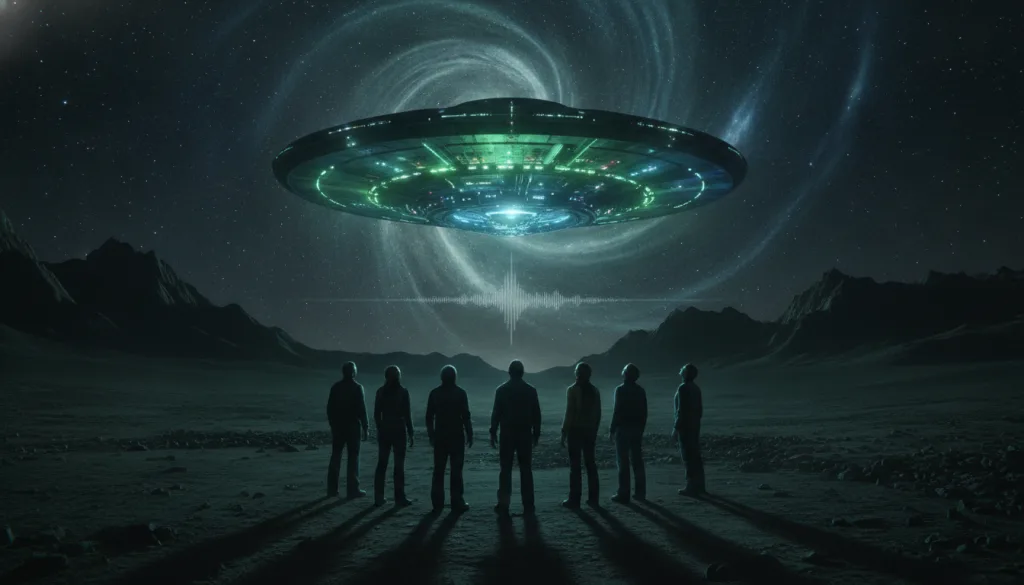
Scientific Investigations into Abduction Phenomena
Various studies have attempted to analyze and categorize these experiences scientifically. One notable researcher, Dr. David Jacobs, a historian and prominent figure in the field of UFO abductions, published "Secret Life: Firsthand Dawning of UFO Abductions" in 1992. His work suggested that abductions are not merely psychological phenomena but involve actual contact with extraterrestrial beings.
The Methodology of Abduction Research
Jacobs and others utilize a combination of hypnotic regression and detailed interviews to gather data from alleged abductees. This approach aims to reveal hidden memories and experiences, often prompting discussions about the psychological impact of these events. The work of psychologist Dr. John Mack is also critical to understanding this phenomenon. Mack's book, "Abduction: Human Encounters with Aliens," published in 1994, posits that these encounters have profound spiritual implications, suggesting that they may be part of a larger cosmic consciousness.
“These individuals are not mentally ill, nor are they fabricating their experiences. They are having encounters that seem to be real and significant.” — Dr. John Mack, 1994
Abduction Statistics and Demographics
In a 2002 survey conducted by the Roper Organization, it was revealed that approximately 2% of the American population believes they have experienced an alien abduction, translating to millions of individuals across the U.S. alone. This figure provides a glimpse into the prevalence of perceived abduction experiences.
Profiles of Alleged Abductees
Research indicates that there are no specific demographics tied to abductions; individuals of various ages, genders, and socio-economic backgrounds report these experiences. A study by Dr. Budd Hopkins, a prominent ufologist, analyzed various cases throughout the 1980s and found that many abductees describe similar characteristics of their experiences. Most commonly reported phenomena include missing time, unexplained scars, and a feeling of being paralyzed during the encounter.
Understanding the Nature of the Entities
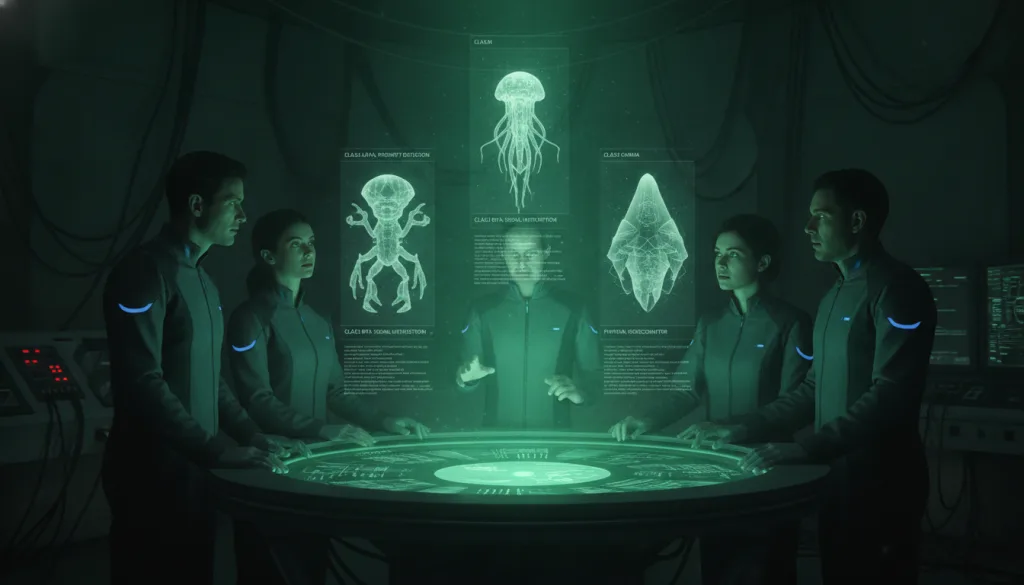
Many reports describe the entities involved in abduction experiences as "greys," diminutive beings with large heads and almond-shaped eyes. However, not all encounters involve the same type of entities. Some witnesses describe tall, humanoid figures or others that resemble traditional folklore creatures such as the reptilian beings noted by researcher David Icke during the 1990s. This typology of extraterrestrial encounters adds complexity to our understanding of the phenomenon.
Case Studies: Epitomes of the Fourth Kind
Two of the most significant cases that exemplify the Fourth Kind are the Travis Walton abduction in 1975 and the Kelly Cahill case in 1993. Walton, a logger in Arizona, claimed to have been abducted by a UFO while working with his crew. His story gained national attention and provided an extensive account of both the abduction and his subsequent return. Similarly, Cahill reported a terrifying encounter with an extraterrestrial craft and beings that left her with vivid memories of her abduction.
“My memories are so clear; they are as vivid as yesterday. I can still feel the fear and the sense of something larger than myself.” — Kelly Cahill, 1993
The Psychological and Cultural Impact of Abduction Narratives
The cultural narrative surrounding alien abductions has evolved significantly. These stories have transitioned from fringe folklore into mainstream discussions, influencing films, literature, and even academic studies. The 1993 film "Fire in the Sky," based on the Walton case, is a prime example of how cinematic portrayals of abductions have shaped public perception, often dramatizing or sensationalizing real experiences.
Public Perception and Media Influence
Media portrayals, while often exaggerated, have contributed to a growing acceptance of the notion that humans may not be alone in the universe. However, they have also led to skepticism and dismissal of genuine experiences. This duality creates a complicated landscape for researchers trying to validate the experiences of genuine abductees, as sensationalized accounts can undermine serious inquiry.

Ethical Considerations in Abduction Research
Researching abduction claims raises significant ethical questions. The psychological well-being of individuals claiming to have undergone such experiences must be prioritized, as many suffer from anxiety, depression, and post-traumatic stress. This concern emphasizes the need for a compassionate approach in the field. It also calls for a rigorous, scientifically grounded methodology that respects the testimonies while seeking objective understanding.
The Need for Credible Research Frameworks
Organizations like the Mutual UFO Network (MUFON) and the Center for the Study of Extraterrestrial Intelligence (CSETI) are working toward establishing frameworks for credible research. These bodies advocate for ethical standards and thorough investigative protocols, promoting a balanced approach that neither dismisses nor sensationalizes abduction experiences.
Modern Implications and Future Directions
As technology advances, new methods of investigation are becoming available. The advent of neural imaging, for example, could provide insights into the neurological aspects of perceived abductions, offering a deeper understanding of the phenomenon. Meanwhile, the discovery of planets within habitable zones in the universe fuels public speculation about extraterrestrial life. The scientific community is increasingly recognizing the need to explore these claims with an open mind, potentially bridging the gap between skepticism and belief.
Looking Ahead
Ultimately, research into Close Encounters of the Fourth Kind is not just about validating individual experiences but also about understanding the broader implications for humanity. As we ponder the existence of extraterrestrial life, we must also consider the psychological, societal, and philosophical ramifications of such contacts. Are we ready to confront the reality of life beyond Earth, and what does it mean for our understanding of consciousness and existence itself?
In conclusion, the exploration of Close Encounters of the Fourth Kind serves as a pivotal point in our quest for knowledge about the universe and our place within it. By adopting a scientific approach to these experiences while respecting the narratives of those involved, we lay the groundwork for a future where the mysteries of the cosmos may finally be understood.
“We are not alone in the universe; the question is not if, but how we will engage with these entities.” — Dr. David Jacobs, 2013
As we continue to scrutinize the data and listen to the testimonies of those who have claimed these encounters, it is imperative to maintain an analytical mind and an empathetic heart. The Fourth Kind holds a mirror to our deepest fears and hopes, urging us to consider what it means to be human in an ever-expanding universe.
Notre analyse: The evidence strongly indicates that Close Encounters of the Fourth Kind warrant serious consideration and systematic investigation. Rather than merely dismissing abduction accounts as fabrications or psychological disorders, we must acknowledge their significance. This engagement not only honors the experiences of those involved but also opens the door to a deeper understanding of potential extraterrestrial interactions.Sources & References
Hynek, J. Allen, The UFO Experience: A Scientific Inquiry, 1972, Blue Ridge Summit.
Jacobs, David, Secret Life: Firsthand Dawning of UFO Abductions, 1992, Simon & Schuster.
Mack, John, Abduction: Human Encounters with Aliens, 1994, Scribner.
Roper Organization, Survey of American Abduction Experiences, 2002, Roper Poll.
Hopkins, Budd, Intruders: The Incredible Visitations at Copley Woods, 1987, Random House.





Comments 0
Be the first to comment!