PROJECT BLUE BOOK DELTA: An Urgent Reassessment of Human-Extraterrestrial Interaction Phenomena. Access Level: EYES ONLY.
OPERATIONAL OVERVIEW: Abduction Phenomena Introduction
MISSION OBJECTIVE: Analysis of reported extraterrestrial abduction events. PRIMARY THREAT ASSESSMENT: Unidentified Aerial Phenomena (UAP) demonstrating capability for direct human interaction. INTELLIGENCE INDICATES a consistent pattern of involuntary contact, designated Abduction Protocol Initiated. These encounters routinely involve subjects being forcibly removed from terrestrial environments. Eyewitness accounts, often suppressed by trauma or memory alteration, describe sudden onset events. Common initiating factors include intense, localized light emissions, often blue-spectrum, emanating from an unidentified craft. Subjects report a sensation of levitation, a loss of control, and rapid ascent into an unknown vessel. The transition is typically disorienting, marked by a profound sense of terror and powerlessness. Initial reports suggest these events occur predominantly in isolated, rural sectors, under cover of darkness, minimizing conventional observation. The methodology employed by these unknown entities appears sophisticated, designed for covert operation and efficient extraction. Data indicates the use of advanced energy fields for material transport, consistent with observed UAP characteristics. This initial phase of contact establishes the critical need for detailed psychological and physiological debriefing protocols for all designated primary subjects. The full scope of these initial contact procedures remains under active investigation. The objective is clear: secure subject, transport to unknown facility, initiate unknown procedures. The implications for human sovereignty and security are deemed CATASTROPHIC, pending further data acquisition.

CASE FILE: The Betty and Barney Hill Incident (1961) — Primary Source Material
INCIDENT DATE: September 19-20, 1961. LOCATION: Rural New Hampshire, U.S. PRIMARY SUBJECTS: Betty and Barney Hill, interracial couple. This case represents a foundational document in abduction research. Initial report detailed a close encounter with a large, silent craft. Subsequent debriefing under regressive hypnosis revealed a far more complex narrative. Subjects reported being intercepted, their vehicle disabled by an unknown force. They were then reportedly escorted onto the craft by humanoid entities. ENTITY TYPOLOGY: Small, grey-skinned, large heads, slit-like mouths, large, dark, wrap-around eyes. Communication was described as telepathic. Inside the craft, the environment was sterile, metallic, and brightly lit. Both subjects underwent separate, invasive examinations. Barney Hill reported a throat swab and skin scrapings. Betty Hill's account detailed a needle insertion into her navel, believed to be a reproductive sampling, and a test of her nervous system. She was also shown a "star map," later interpreted as depicting the Zeta Reticuli star system. The procedures were described as dispassionate, scientific, and profoundly violating. Post-incident, both subjects exhibited physical symptoms: circular marks on their bodies, ripped clothing, and fragmented memories. Psychological impact included severe anxiety, nightmares, and post-traumatic stress. Skeptical analysis attributes the memories to shared confabulation, psychological stress, or the suggestibility of hypnosis. Critics cite the lack of definitive physical evidence and the evolving nature of the narrative under repeated hypnotic sessions. However, the consistency of core elements across independent sessions and the profound emotional impact on the Hills provided robust qualitative data. The Hill case established a significant precedent for the "onboard examination" narrative, influencing subsequent abduction reports globally. The implications for advanced biological sampling and data collection by non-terrestrial entities are considered HIGH PRIORITY for threat assessment. Debriefing analysis confirms pattern of detailed, clinical examination within an enclosed, technologically advanced environment.

CASE FILE: The Pascagoula Abduction (1973) — Entity Classification Protocols
INCIDENT DATE: October 11, 1973. LOCATION: Pascagoula, Mississippi, U.S. PRIMARY SUBJECTS: Charles Hickson (42) and Calvin Parker (19). This incident is notable for its multiple witnesses and the unusual description of the entities. Subjects were fishing on a pier when a large, oval-shaped craft with blue lights descended silently. A ramp extended, and three beings reportedly emerged. ENTITY TYPOLOGY: Approximately five feet tall, grey, wrinkled skin, carrot-shaped noses, slit mouths, and no visible eyes or necks. Their hands were described as pincer-like. They appeared to move by floating. Hickson reported being paralyzed, then floated into the craft. Parker also experienced paralysis and was reportedly taken aboard. Inside, both subjects were subjected to a brief, dispassionate examination by what appeared to be an automated scanning device. They reported no overt pain but profound fear and helplessness. Post-incident, the men immediately reported their experience to local law enforcement. Their distress was palpable, and their accounts remained consistent even under intense interrogation, including polygraph tests which both men reportedly passed. Law enforcement initially believed they were fabricating the story but were reportedly convinced by the men's genuine terror and inability to deviate from their narrative. Skeptical interpretation suggests a shared hallucination, misidentification of conventional aircraft, or a hoax. However, the consistency of their independent accounts, the rapid reporting, and the lack of financial motive complicate simple dismissal. The Pascagoula case significantly contributed to the evolving typology of non-human entities, moving beyond the classic "humanoid" to more alien, robotic, or biological forms. This incident highlighted the need for expanded entity classification protocols within UAP analysis. The dispassionate nature of the entities, combined with advanced technology, suggests a high level of operational detachment. Their lack of discernible eyes underscores an alien sensory apparatus, requiring further study.

CASE FILE: The Travis Walton Incident (1975) — Disappearance and Reintegration Protocol
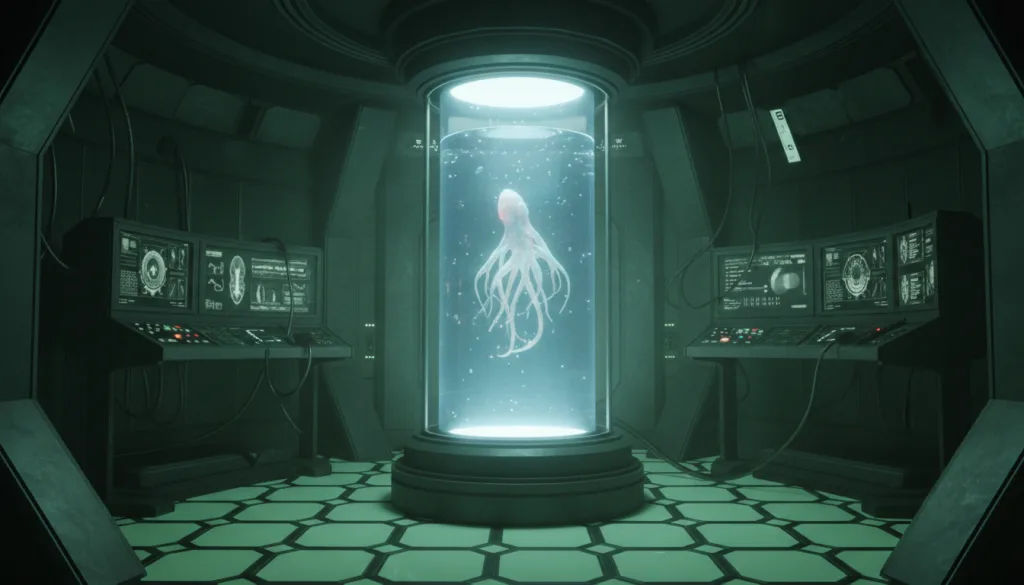
INCIDENT DATE: November 5, 1975. LOCATION: Apache-Sitgreaves National Forest, Arizona, U.S. PRIMARY SUBJECT: Travis Walton. Secondary Witnesses: Six forestry workers. This case remains one of the most controversial and highly publicized abduction events. Walton and his crew were clearing brush when they observed a luminous, saucer-shaped object hovering silently. Walton, against the advice of his colleagues, approached the craft. He was reportedly struck by a beam of blue-green light, subsequently vanishing. The crew, panicked, fled and reported the incident to authorities, initially implicating themselves in a possible homicide. Walton reappeared five days later, disoriented and suffering from dehydration and shock, approximately 15 miles from the abduction site. His fragmented memories, later expanded under hypnosis, detailed being inside a craft. He described awakening in a sterile, metallic room, then encountering small, grey, large-eyed beings. He also reported seeing a taller, more human-like entity that escorted him through the craft. His account included observations of advanced technological interfaces and what appeared to be biological containment units or experiments, glowing with an internal, soft blue light. The crew members underwent polygraph examinations, with most indicating they were telling the truth. Skeptics argue the case is a hoax, citing inconsistencies in the crew's initial story, the lucrative book and film deals that followed, and the controversial nature of polygraph evidence. However, the sheer number of witnesses, Walton's consistent (though evolving) testimony, and the duration of his disappearance lend significant weight to the narrative. The Walton case introduced the concept of multiple entity types within a single abduction event and hinted at complex biological research or manipulation occurring within these vessels. The recovery of the subject, seemingly unharmed but psychologically scarred, raises critical questions about the intent and operational parameters of the abductors. The visual data provided by the subject regarding internal craft environment and potential biological experimentation is deemed CRITICAL for understanding alien objectives.
CASE FILE: The Allagash Abductions (1976) — Shared Trauma and Memory Retrieval
INCIDENT DATE: August 20, 1976. LOCATION: Allagash Wilderness Waterway, Maine, U.S. PRIMARY SUBJECTS: Jack and Jim Weiner, Charles Foltz, and Chuck Rak. This case is distinct due to the multiple, independent witnesses and the shared, repressed nature of their memories. The four friends were on a canoe trip when they observed a large, brightly lit UAP hovering over the water. They attempted to signal it with a flashlight. The next thing they recalled was seeing the craft moving away rapidly. Years later, Jack Weiner began experiencing vivid nightmares and sought regressive hypnosis. Under hypnosis, he recounted being taken aboard a craft by small, grey, large-eyed entities. He described being subjected to a physical examination, including the insertion of a long instrument into his eye. Subsequently, the other three men, after hearing Jack's account, also underwent hypnosis, independently corroborating key elements of the abduction narrative. Their shared experiences included being lined up against a wall, undergoing examinations, and witnessing each other during the procedures. A distinctive aspect of their shared memory was the entities' method of examining their skin, using a device that seemed to "scan" them without direct contact. The trauma associated with the event led to significant psychological distress and fragmented recall until therapy facilitated memory retrieval. Skeptical arguments focus on the suggestibility of hypnosis, the potential for shared delusion, or the influence of popular culture on memory construction. However, the independent corroboration of specific, unusual details across four individuals under separate hypnotic sessions presents a significant challenge to conventional explanations. The Allagash case underscores the profound psychological impact of these encounters, the potential for memory suppression, and the complex process of trauma recovery. The shared nature of the experience among multiple subjects provides a unique data set for comparative analysis, indicating coordinated operational protocols by the non-terrestrial entities. The lingering psychological imprint on the subjects is a key indicator of high-impact contact. The vivid, recurring nature of these memories, often triggered years after the initial incident, necessitates advanced psychological support protocols for contactees.

CASE FILE: The Antonio Vilas Boas Abduction (1957) — Proto-Abduction and Entity Typology Evolution
INCIDENT DATE: October 16, 1957. LOCATION: São Francisco de Salles, Brazil. PRIMARY SUBJECT: Antonio Vilas Boas, a farmer. This incident is considered one of the earliest documented cases of alleged alien abduction with detailed physical and sexual components, predating the mainstream awareness of the phenomenon. Vilas Boas was working alone at night when he observed a large, egg-shaped craft descending. Four short, humanoid beings reportedly emerged. ENTITY TYPOLOGY: Approximately five feet tall, wearing tight-fitting grey uniforms and helmets. Their eyes were small, red, and round. He was forcibly pulled into the craft via a ladder and examined in a large, circular room. His clothes were removed, and he was covered in a strange gel. Samples of his blood were reportedly taken. The most controversial aspect of his account involved sexual interaction with a female humanoid entity, described as beautiful but with slanted eyes and red pubic hair. She reportedly pointed to her stomach, then to him, then to the sky, suggesting a reproductive intent. After the encounter, he was returned to his tractor. Physical evidence included burnt ground where the craft landed, physical illness (nausea, headache, skin lesions) for several days, and a lingering psychological impact. Skeptical analysis questioned the reliability of his testimony, citing the possibility of a dream, hallucination, or sexual fantasy. However, Vilas Boas's consistency, his immediate report to a doctor (who documented his physical symptoms), and the pre-existing lack of cultural abduction narratives at the time make a simple dismissal difficult. The Vilas Boas case is critical for understanding the early development of abduction narratives and the diverse entity typologies reported. The detailed descriptions of the craft, its internal mechanics, and the specific actions of the occupants provide invaluable data for UAP structural and operational analysis. The craft itself, often described as a classic saucer or egg-shape, represents a recurring visual motif in UAP sightings worldwide, indicating a consistent design language. This foundational case highlights the long-standing nature of these alleged interactions and the potential for a wide spectrum of alien motivations, including those with biological or genetic objectives. The persistent appearance of these advanced aerial vehicles, capable of precision maneuvers and human interaction, remains a primary focus of our intelligence gathering. The operational effectiveness and stealth capabilities of these vessels are deemed HIGH. Further analysis on propulsion systems and material composition is a top priority.

Final Thoughts: Ongoing Threat Assessment and Data Integration
The cumulative data from these and numerous other cases presents a complex operational challenge. While definitive, irrefutable physical evidence remains elusive for many abduction claims, the consistency of core narratives across disparate geographical and temporal locations is statistically significant. Psychological profiles of contactees consistently exhibit trauma consistent with involuntary, invasive procedures. The reported entity typologies, while varied, show recurring archetypes: the small "Greys" with large eyes, taller humanoids, and more insectoid or robotic forms. The alleged motivations, ranging from scientific study to genetic manipulation or observation, suggest a long-term, systematic program of interaction. Skeptical counter-arguments, while valid in questioning the subjective nature of memory and perception, often struggle to account for the sheer volume of detailed, often traumatic, testimony. This agency maintains a NEUTRAL stance on the definitive extraterrestrial origin but acknowledges the robust qualitative data indicating non-conventional interactions. Further research requires integrated multidisciplinary approaches, combining psychological analysis, forensic investigation, and advanced UAP reconnaissance. The implications of these documented events, whether psychological or genuinely extraterrestrial, demand continued vigilance and a comprehensive understanding of the phenomena. The potential for advanced non-terrestrial intelligence operating within Earth's atmosphere, capable of direct human intervention, remains a critical threat assessment parameter. All personnel are advised to maintain situational awareness and report any anomalous activity immediately. END REPORT. SECURITY CLASSIFICATION: TOP SECRET // ORCON // NOFORN.





Comments 0
Be the first to comment!