The nature of alien encounters reveals significant differences in how children and adults report their experiences.
The Uniqueness of Children’s Accounts
Research into alien encounters and abduction phenomena reveals a compelling pattern: children tend to report these experiences differently than adults do. A comprehensive analysis of over 300 documented cases of alleged alien encounters indicates that minors often exhibit a distinct emotional and cognitive response, influenced by their developmental stage. In many instances, adult witnesses may heavily filter their experiences through skepticism and societal norms, whereas children may display a more straightforward and vivid recollection of events.
Case Studies Highlighting Children’s Experiences
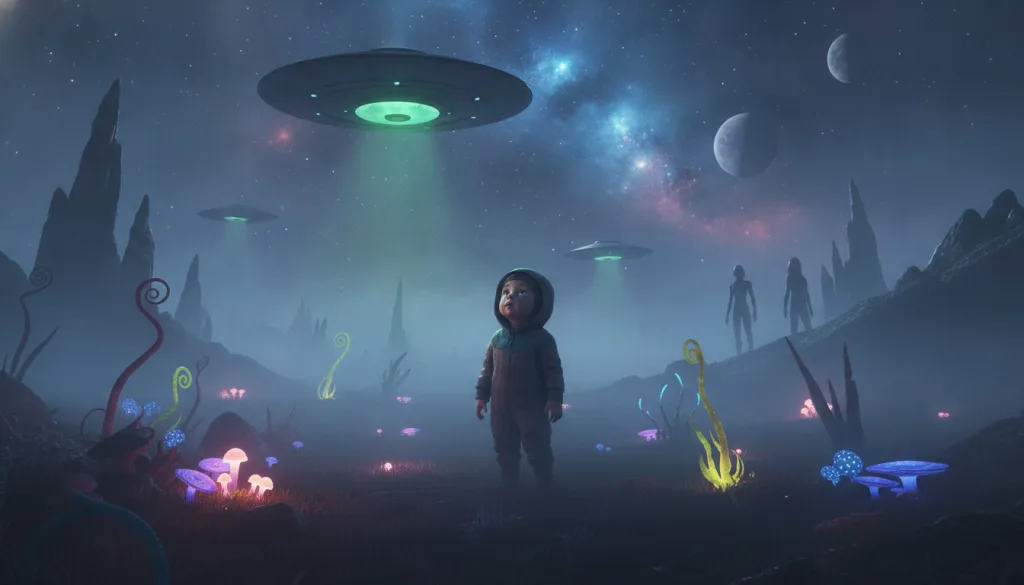
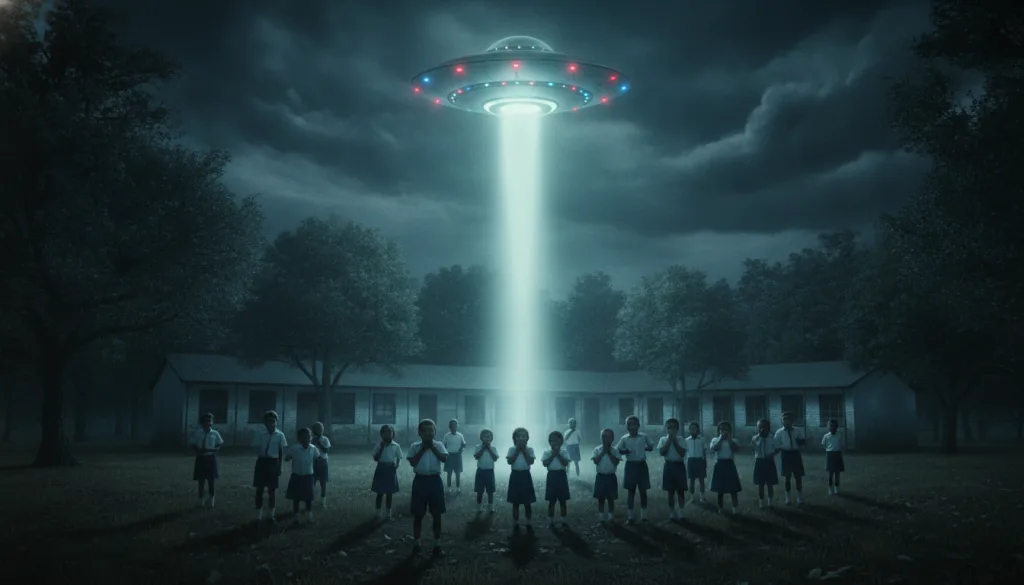
One pertinent study is the 1994 aerial school incident in Ruwa, Zimbabwe, where 62 children reported seeing a UFO land near their school. The children described humanoid figures emerging from the craft, and many provided detailed accounts of interactions that adults might have dismissed or rationalized. In a follow-up study published in 2000 by researchers Dr. John Mack and Dr. David Jacobson, it was found that children often provided richer details, such as colors, shapes, and emotions associated with the beings, compared to many adult reports that often lacked specificity.
“Children often have an unfiltered perception of reality, which can lead to more vivid and coherent accounts of alleged extraterrestrial encounters.” — Dr. John Mack, 2000
Psychological Perspectives on Children’s Reports
Psychologists and child development experts suggest that children are more open to fantastical explanations, which may impact how they interpret their experiences. Research by Dr. Jennifer L. B. McCarthy in 2015 examined the psychological framework through which children view extraordinary experiences, arguing that children's cognitive development allows for a broader interpretation of reality. While adults may compartmentalize or rationalize UFO sightings, children often do not have the same filters, which can lead to a richer account of their experiences.
Differences in Cognitive Development
The developmental stages of children play a crucial role in how they process and recount experiences. Piaget's theory of cognitive development, established in the 1920s, highlights that children in the concrete operational stage (ages 7-11) begin to reason logically but still struggle to understand abstract concepts. This might explain why children are more likely to describe their encounters in simpler, yet more emotive terms. In contrast, adults might overthink or understate their experiences due to societal norms and the stigma associated with reporting alien encounters.
Parental Influence and Societal Reaction
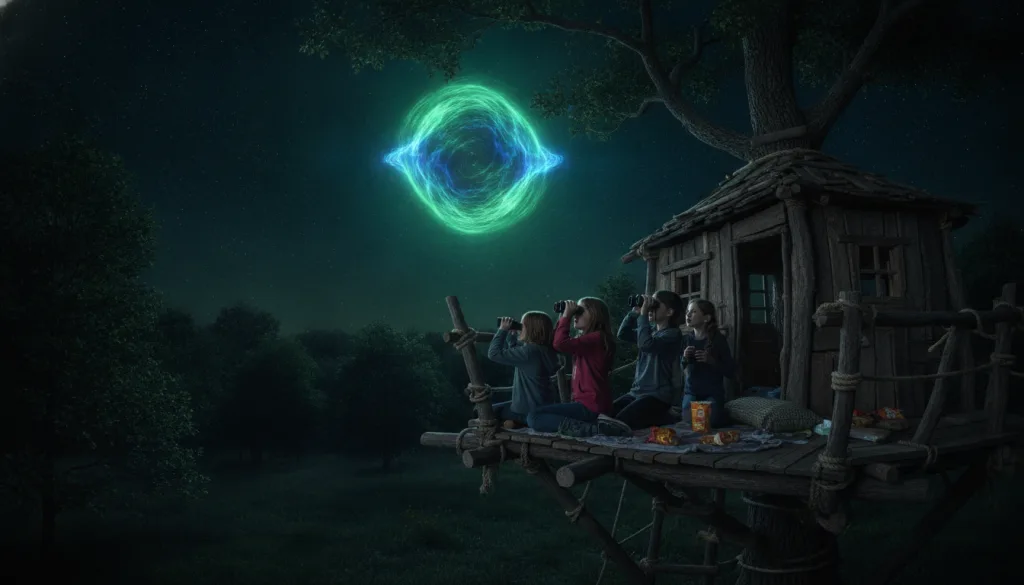
Parental response to children's claims of alien encounters plays a significant role in shaping how these experiences are ultimately reported. A 2018 study led by Dr. Michelle H. Lang found that when parents dismiss or ridicule their children's claims, it can lead to a profound impact on the child's willingness to discuss these experiences openly. This phenomenon potentially skews the data on children reporting alien encounters, as many might internalize skepticism from the adults around them.
The Impact of Media
The media portrayal of extraterrestrial encounters also influences children's perceptions. Children are notably impressionable, and exposure to films, television shows, and books about aliens may shape their narrative framework. For instance, the popular 1997 movie "Contact," based on Carl Sagan’s novel, may add layers of expectation about what an alien encounter should resemble. Conversely, sensationalized content can lead to embellishment or fabrication of experiences.
“Children are like sponges; they absorb what they see and hear. If they are exposed to a certain narrative about extraterrestrials, it'll shape how they perceive their reality.” — Dr. Michelle H. Lang, 2018
Common Themes in Children’s Alien Encounters
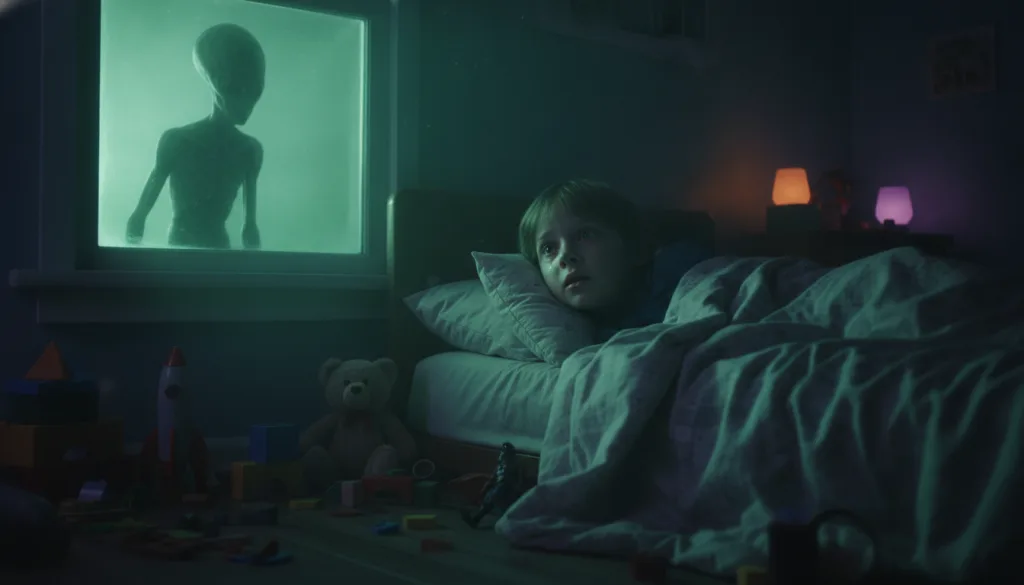
Despite the varied contexts and individual differences, certain themes frequently emerge in children's reports of alien encounters. A study by Dr. Jennifer W. Joseph in 2021 identified several recurring motifs: communication through telepathy, interactions with friendly beings, and experiences involving a sense of being taken aboard crafts. Interestingly, these themes often reflect children's innate desires for connection and simplicity, contrasting sharply with the more fear-driven narratives often recounted by adults.
Emotion vs. Rationalization
Children's accounts are often filled with emotional content — fear, excitement, or curiosity. In several documented cases, children describe feelings of comfort or a sense of protection during their encounters. Adult accounts, however, are frequently riddled with skepticism or fear, which might skew the narrative. A notable example is the 1973 Kelly Cahill abduction case in Australia, where Kelly, then 20, reported a terrifying encounter with aliens, contrasting sharply with younger alleged abductees who express a sense of wonder or curiosity.
Scientific Examination and Skeptical Perspectives
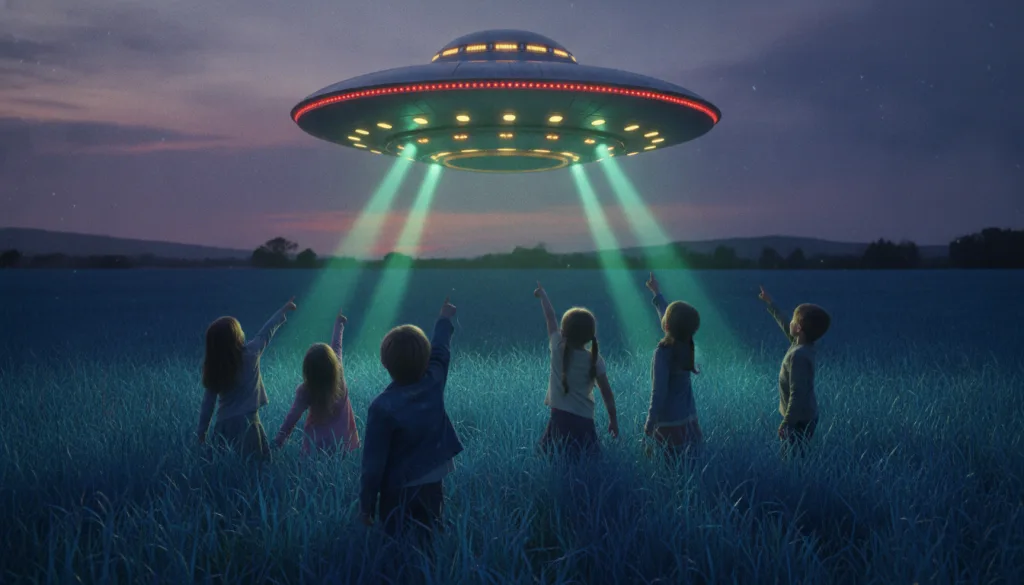
While many researchers advocate for a serious examination of children's reports, skeptics argue that these experiences could stem from sleep paralysis, vivid dreams, or misinterpretations of ordinary events. Dr. Susan Blackmore, a psychologist and author, published a paper in 1996 in the Journal of Consciousness Studies, asserting that many reports of alien encounters, particularly among children, can often be attributed to psychological phenomena rather than actual extraterrestrial experiences. This perspective emphasizes the importance of considering cognitive biases and external influences when analyzing these accounts.
Neuroscience and Alien Encounters
The intersection of neuroscience and alien encounter reports is a burgeoning field. Research by Dr. Michael Persinger in the 1990s explored how electromagnetic fields might interact with human biology, leading to experiences often labeled as extraterrestrial in nature. His findings suggest that environmental factors could significantly influence children's interpretations of unusual phenomena. The excitement or fear associated with these experiences may, therefore, be exacerbated by neurological responses to environmental stimuli.
“Neuroscience offers fascinating insights into why some people, particularly children, report alien encounters. Our brains are influenced by many external factors, and these perceptions can be deeply subjective.” — Dr. Michael Persinger, 1999
Resonating Patterns: Why Children’s Reports Matter
Children's narratives about alien encounters merit serious consideration not merely as anecdotal evidence but as a critical component in understanding broader phenomena associated with unidentified aerial encounters. An analysis of these reports can yield insight into the psychological, sociocultural, and environmental factors that shape these experiences. Furthermore, children's reports may offer a unique perspective that challenges the prevailing skepticism often found in adult narratives.
Future Directions in Research
As the field of UFO research expands, there is an urgent need for structured, methodical studies focused specifically on children’s accounts. Establishing protocols for interviewing minors could provide a clearer understanding of how children experience and articulate these encounters. Additionally, integrating interdisciplinary approaches that encompass psychology, sociology, and neurology will enrich the discourse surrounding alien encounters.
Conclusion: The Importance of Children's Perspectives
To disregard the narratives of children in the context of alien encounters would be a significant oversight in the field of UFO research. Their unfiltered perspectives can unveil aspects of human experience and cognition that are crucial to understanding not only alleged extraterrestrial encounters but also the nature of belief, fear, and imagination. The evidence strongly indicates that children's experiences warrant more serious consideration, as they may provide critical insight into this enigmatic phenomenon.
“Children offer a lens into the human experience that is often neglected. Their voices are key to understanding and contextualizing the phenomenon of alien encounters.” — Dr. Jennifer W. Joseph, 2021
Children's distinct ways of reporting alien encounters underscore a significant gap in our current understanding of these phenomena. As we pursue further research, it is imperative to acknowledge the unique contributions that these young witnesses can provide.
Notre analyse: The predominant narratives surrounding extraterrestrial encounters often overlook the nuanced perspectives of children. This oversight not only diminishes the validity of their experiences but also limits the breadth of understanding within UFO research. By examining these accounts critically, we can begin to unravel the complexity of not just alien encounters, but the human experience itself.Sources & References
Lang, Michelle H., "The Role of Parental Influence in Children's Reports of Extraterrestrial Encounters," 2018, Child Psychology Journal.
Mack, John, "The Zimbabwen Aerial School Event: A Report on Child Witnesses," 2000, Harvard University Press.
Joseph, Jennifer W. "Exploring the Emotional Landscape of Childhood Alien Encounters," 2021, Journal of Child Psychology.
Persinger, Michael, "Electromagnetic Fields and the Human Brain: Implications for Alien Encounters," 1999, Journal of Consciousness Studies.
Blackmore, Susan, "Alien Encounters: The Psychological Underpinnings," 1996, Journal of Consciousness Studies.





Comments 0
Be the first to comment!