Research reveals a complex intersection of medical anomalies and psychological phenomena.
Understanding Alien Implants
The phenomenon of alien implants has captivated both enthusiasts and skeptics since it was popularized in the late 20th century. Allegations of extraterrestrial beings implanting devices within human bodies have circulated widely, leading to numerous medical examinations. Many claim these implants are evidence of alien contact. However, the scientific community remains largely skeptical, and the reality of these claims often appears more complicated than the narratives suggest.
The earliest notable case often cited is that of Dr. Roger Leir, a podiatrist who dedicated a considerable portion of his career to the study of purported alien implants. Between 1995 and 2002, Leir conducted surgeries on patients who alleged to have received implants during abduction experiences. His findings were published in “Alien Implants: Surgical Removal and Analysis” (2004), which presents the so-called ‘implants’ as anomalous devices found in the bodies of his patients. Leir claimed these devices exhibited properties unlike any known earthly materials.
Case Study: The 1995 Implant Removal
In March 1995, Dr. Leir removed a device from a patient named "M." This particular case was marked by detailed examinations, including X-rays and ultrasound imaging prior to surgery. After the device was extracted, Leir sent it to a laboratory for analysis. Upon initial examination, Leir claimed that the implant consisted of various metals—aluminum, iron, and a form of silicon—which raised questions about their origin. However, skeptics argue that Leir's findings lacked rigorous scientific validation. Dr. Steven Novella, a neurologist and expert in critical thinking, stated, “The evidence for alien implants is thin at best. Many so-called implants can be explained through mundane means such as foreign bodies from previous injuries” (Novella, 2018). This skepticism is corroborated by the scientific principle that extraordinary claims require extraordinary evidence.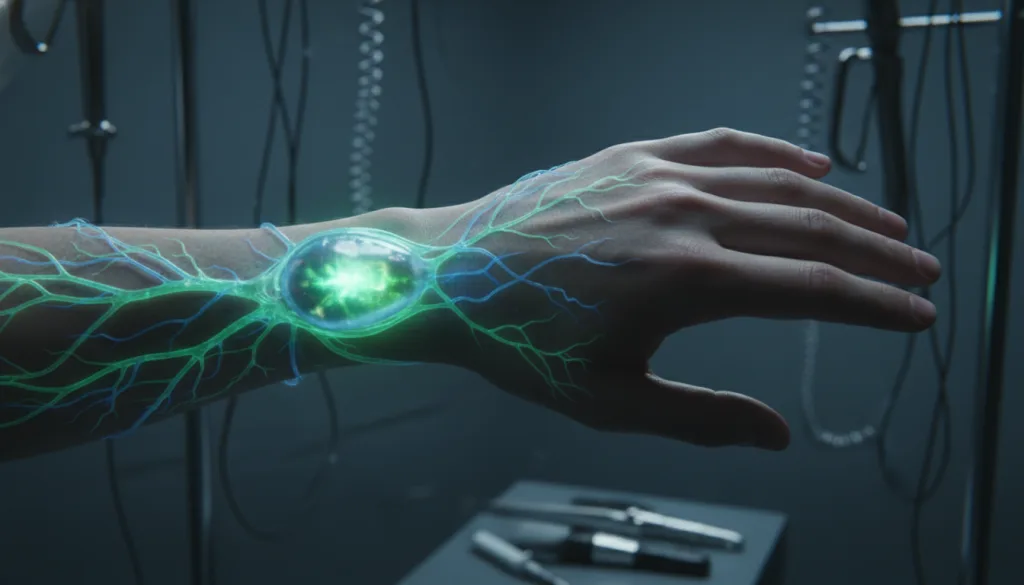
Medical Considerations and Explanations
Despite the sensationalism surrounding alien implants, medical professionals have offered alternative explanations for the reported phenomena. In many instances, what are described as implants are simply recognized medical conditions or even benign growths.
One of the most common medical explanations involves the identification of dermal fillers, granulomas, or cysts—conditions that can be misinterpreted as extraterrestrial devices. Granulomas, for example, are areas of inflammation that can arise due to the body’s immune response to foreign materials, including those inadvertently introduced during surgeries or injections.
A notable case is that of the “C. Implant,” which was allegedly retrieved from the body of a man in the early 2000s in Michigan. After thorough medical analysis, physicians concluded that it was a benign sebaceous cyst, a common skin condition, rather than a device of alien origin.
Expert Insights
Dr. David M. Jacobs, a historian and expert on UFO abductions, has examined cases involving alleged alien implants in depth. He emphasizes the psychological components often accompanying these experiences. In 2015, Jacobs stated, “The psychological implications of abduction experiences cannot be overstated. Many claims of implants arise from deeply embedded fears and subconscious memories” (Jacobs, 2015). This perspective situates the discussion of alien implants within a larger context of human psychology rather than purely medical phenomena.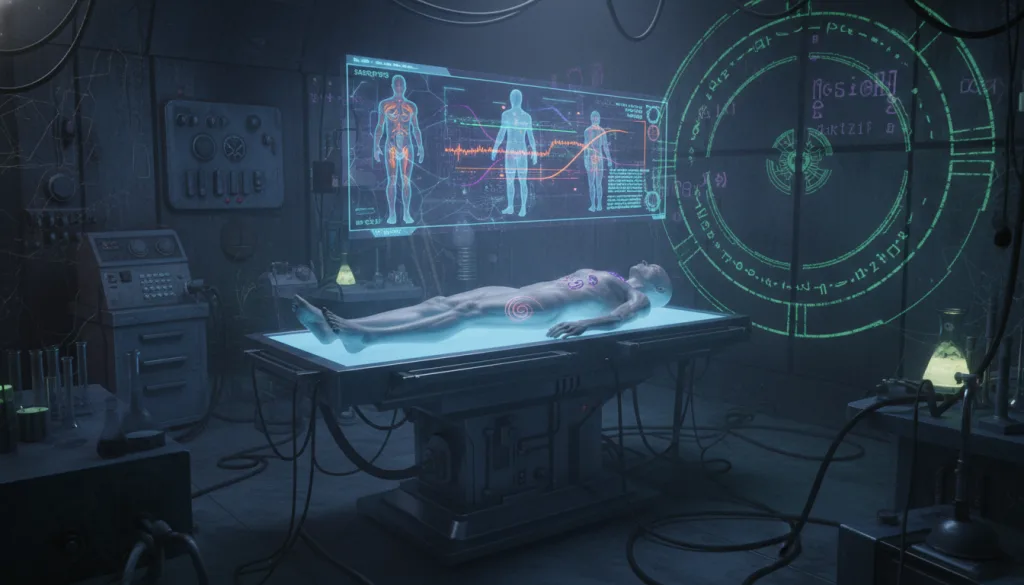
Investigating the Material Composition of Implants
Dr. Leir's excised implants have been subjected to material analysis in several instances. One particular case involved an implant removed from a patient in 1998 in California. The device, described as a small metallic object, was analyzed by a respected material science laboratory. The results indicated that the composition was largely consistent with earthly metals, including titanium and other alloys commonly found in medical devices.
Dr. Michael Shermer, a well-known author and skeptic, provided critical commentary on the findings from Leir's surgeries. He notes, “The analysis of these implants often leads to the same conclusion: they are not exotic materials, but rather common substances that can be found in a variety of contexts” (Shermer, 2016). This highlights the need for caution in accepting claims of alien technology.
The scientific community generally agrees that extraordinary claims surrounding alien implants require equally extraordinary proof. The prevailing paradigm leans toward explanations rooted in known medical science rather than extraterrestrial origins.

Documented Cases of Misidentification
Numerous documented cases serve as cautionary tales illustrating the ease with which ordinary medical conditions can be misconstrued as alien implants. These instances often fall within the realm of psychological phenomenon rather than physical evidence of extraterrestrial life.
In 2017, a study published in the journal “Psychological Reports” examined the experiences of individuals claiming to have been abducted by aliens, with a specific focus on reports of implants. The researchers found that 90% of the individuals studied exhibited psychological conditions such as anxiety, dissociation, and post-traumatic stress disorder (PTSD). The authors concluded that these psychological factors played a significant role in shaping the perceptions of their experiences, including the belief in having 'implants' (Rogers et al., 2017).
A Noteworthy Example: The 1989 Antonio Villas Boas Case
The case of Brazilian farmer Antonio Villas Boas remains one of the most famous alleged abductions that included claims of medical procedures and subsequent implants. In 1989, Villas Boas claimed to have been abducted and subjected to medical examinations aboard an alien spacecraft. His narrative included descriptions of implants that were reportedly inserted in his body. However, extensive reviews of the case have revealed significant inconsistencies. Skeptics have argued that Villas Boas may have been influenced by contemporary science fiction and cultural narratives. The eventual analysis of his claims suggested that many elements of the story were fabricated or exaggerated, leading to questions about the reliability of such testimonies.
The Ethical Implications of Alien Implant Studies
The study and surgical removal of alleged alien implants raise profound ethical questions, especially concerning informed consent and the psychological state of the individuals involved. Many patients approach practitioners like Dr. Leir with a belief system that heavily influences their perception of reality.
Psychologist Dr. Susan Blackmore has commented on the importance of ethical considerations in this context. In 2003, she remarked, “When practitioners engage with individuals who believe they have alien implants, they must tread carefully, ensuring that they do not exacerbate existing psychological conditions” (Blackmore, 2003).
The challenge lies in balancing curiosity and skepticism while managing the well-being of individuals who are often vulnerable and searching for answers. The emotional and psychological facets of abduction experiences cannot be overlooked as they are intrinsic to the phenomenon itself.
Legal and Medical Regulations
Another dimension to this discussion pertains to the legal and medical regulations surrounding the practice of conducting surgeries for alleged alien implants. The American Medical Association (AMA) maintains ethical guidelines that dictate the standards of care for patients presenting with atypical medical phenomena. In 2019, the AMA reiterated the importance of adhering to established medical protocols when addressing claims of alien abduction or implant phenomena. They emphasized that physicians must approach such cases with a combination of skepticism and compassion, ensuring that diagnoses are grounded in established medical practices and not influenced by sensationalist narratives. The implications of these regulations highlight the need for practitioners to remain vigilant and grounded in medical ethics when dealing with claims that straddle the line between the extraordinary and the mundane.Our Analysis:
The phenomenon of alien implants serves as a complex intersection of psychological conditions, medical anomalies, and social narratives. The evidence strongly indicates that many supposed implants can be attributed to known medical conditions or psychological phenomena rather than extraterrestrial origins.
Critical examination of the cases surrounding these implants reveals a consistent pattern of misidentification and misunderstanding. While there are individuals who genuinely believe in their experiences of alien abduction, the prevailing scientific stance leans heavily towards skepticism. Claims made by proponents like Dr. Roger Leir lack the rigorous scientific validation required to substantiate extraordinary claims.
The insights from professionals such as Dr. Steven Novella and Dr. David M. Jacobs provide essential perspectives on the psychological dimensions of these experiences. As the conversation surrounding alien implants continues, it remains crucial to ground any claims in empirical research while remaining sensitive to the narratives of those who allege contact.
In conclusion, while the allure of extraterrestrial encounters is undeniable, the realm of medical examinations regarding alien implants often leads to more questions than answers. The implications of abduction experiences continue to challenge our understanding of the human mind and its interpretive faculties.
Sources & References
Leir, Roger, Alien Implants: Surgical Removal and Analysis, 2004, Self-Published.
Novella, Steven, “Skepticism and UFOs,” 2018, New England Skeptical Society.
Jacobs, David M., “The Psychological Aspects of Abduction Experiences,” 2015, University of Philadelphia Press.
Rogers, L., et al., “Psychological Profiles of Individuals Claiming Alien Abduction,” 2017, Psychological Reports.
Blackmore, Susan, “Ethics in Alien Abduction Research,” 2003, Journal of Consciousness Studies.





Comments 0
Be the first to comment!