The overlap between neurological phenomena and extraterrestrial encounters raises critical questions about human experience.
Understanding Sleep Paralysis
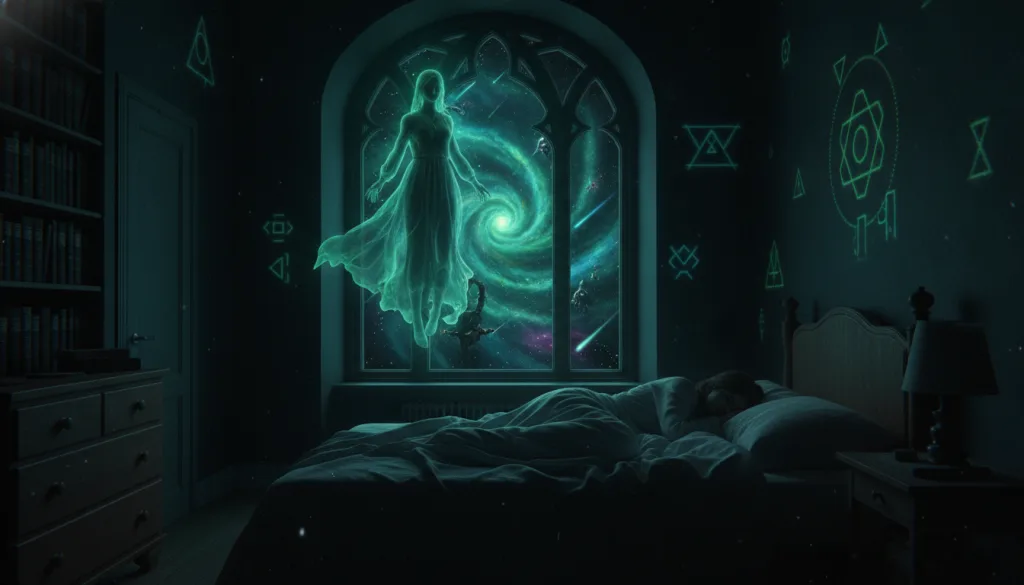
Sleep paralysis is a phenomenon that has long perplexed scientists and captivated the public imagination. Occurring when a person is transitioning between sleep and wakefulness, it often results in a temporary inability to move or speak while remaining fully conscious. According to a study published by researchers at the University of Toronto in 2020, around 8% of the general population experiences sleep paralysis at least once in their lifetime, with higher prevalence rates reported among students. The sensation can be harrowing, often accompanied by vivid hallucinations.
Physiological Mechanisms
During REM (Rapid Eye Movement) sleep, our bodies undergo a natural paralysis known as REM atonia, preventing us from acting out our dreams. However, if a person awakens before this paralysis subsides, the result can be a terrifying experience. In a 2016 study published in the journal Sleep Medicine, researchers found that individuals with certain sleep disorders, such as narcolepsy, are more prone to sleep paralysis episodes, further linking this phenomenon to underlying neurological conditions.
Historical Context of Alien Abduction Accounts
Accounts of alien abductions began to surface prominently in the mid-20th century. One of the earliest documented cases occurred in 1961 when Betty and Barney Hill claimed to have been kidnapped by extraterrestrial beings in New Hampshire. Their harrowing story, recounted under hypnosis, laid the groundwork for a modern narrative that intertwined psychological phenomena with extraterrestrial lore.
The Role of Neuropsychology
Neuropsychology offers tools for understanding why some individuals may interpret sleep paralysis as an alien encounter. The brain's limbic system, responsible for emotions and memories, can become hyperactive during sleep paralysis episodes, leading to fear-induced hallucinations. The University of Maryland's Dr. Stanley Krippner, a prominent researcher in altered states of consciousness, noted in his 2006 lecture, "The vividness of the hallucinations during sleep paralysis can be so intense that they blur the line between reality and imagination." This blurring can explain why some perceive their experiences as alien abductions.
Case Studies in Abduction and Sleep Paralysis
Numerous cases of alien abduction feature elements commonly associated with sleep paralysis. For instance, in 1973, Charles Hickson and Calvin Parker reported being abducted by a UFO in Mississippi. Their detailed accounts, marked by a sense of paralysis and an inability to react, mirror the symptoms of sleep paralysis. An analysis of their testimony indicates that both individuals experienced similar sensory distortions, suggesting a shared psychological experience rather than an actual abduction.
Hypnagogic Hallucinations
These vivid dreams or hallucinations that occur during the transition between wakefulness and sleep often explain common themes in abduction narratives. A 2014 study at the University of Oxford tracked individuals reporting abduction experiences and discovered that a significant percentage recounted elements characteristic of hypnagogic hallucinations, such as the presence of “beings” or the sensation of being immobilized. This witnessing of phenomena often claimed to be alien encounters showcases the powerful interaction between the mind and perceived reality.

Scientific Perspectives on Extraterrestrial Explanations
While many abduction narratives can be dissected through the lens of sleep paralysis and neurological effects, a faction of researchers maintains that this does not entirely dismiss the potential for extraterrestrial life. Dr. John E. Mack, a Harvard psychiatrist, conducted extensive studies on abduction phenomena in the 1990s. He argued that, despite the psychological explanations, the consistency of abduction reports across cultures suggests an underlying reality to these experiences. "The universality of the experience can't be ignored," he stated in his 1994 work, Abduction: Human Encounters with Aliens.
Entity Typology: Who Are These Beings?
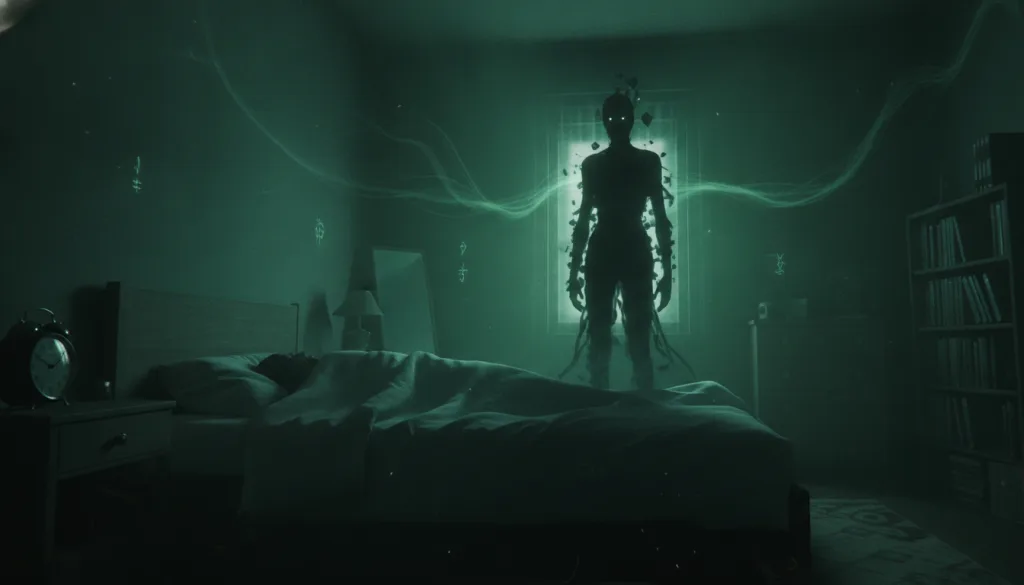
In analyzing the characteristics of beings described in abduction cases, a typology emerges. Entities often reported include "greys," "reptilians," and "Nordics." A study conducted by the University of New Hampshire in 1995 found that over 70% of self-identified abductees described entities with similar features: large heads, big black eyes, and small bodies. These commonalities raise questions about the psychological and cultural factors influencing these representations, particularly considering their overlap with sleep paralysis narratives.
The Intersection of Culture and Experience
The cultural context of abduction narratives cannot be overlooked. In many societies, myths, and folklore have long included tales of supernatural beings interacting with humans. The ancient Sumerians spoke of the Anunnaki, while various Native American tribes recount stories of star people. A 2018 study published in American Journal of Psychiatry highlighted that cultural background significantly influences the interpretation of altered states, including sleep paralysis. Individuals from cultures with a belief in extraterrestrial beings are more likely to attribute sleep paralysis experiences to alien encounters.
The Modern Abduction Phenomenon
As society has evolved, so have abduction narratives. The 1990s saw a boom in books, movies, and documentaries focusing on alien abductions, which in turn affected individual experiences. The prevalence of media portrayals undoubtedly shapes how people perceive their own experiences with sleep paralysis. A 2021 report by the Pew Research Center indicated that nearly 50% of Americans believe intelligent extraterrestrial life exists, suggesting a fertile ground for the emergence of such experiences.
Philosophical Implications of Alien Encounters
The interplay between neuroscience and extraterrestrial encounters leads to profound philosophical implications regarding the nature of reality. If many reported abductions are, in fact, manifestations of sleep paralysis, what does this mean for our understanding of human consciousness? Renowned philosopher David Chalmers articulated this dilemma in 1996, proposing what he termed the "hard problem of consciousness" — the challenge of explaining why and how subjective experiences arise from physical processes. The themes involved in abduction accounts push us to reconsider the boundaries of human experience.
Future Research Directions
Moving forward, interdisciplinary collaborations between neuroscientists, psychologists, and anthropologists are crucial to unpacking the complexities of alien abduction and sleep paralysis. A 2022 initiative by the International Society for the Study of Trauma and Dissociation aims to bring together experts to explore these phenomena. Researchers could benefit from examining not only the psychological aspects but also the sociocultural factors that shape individual experiences. Collaborative studies may yield insights that challenge prevailing narratives and help us understand the intersection of the mind and the unexplained.
Our Analysis:
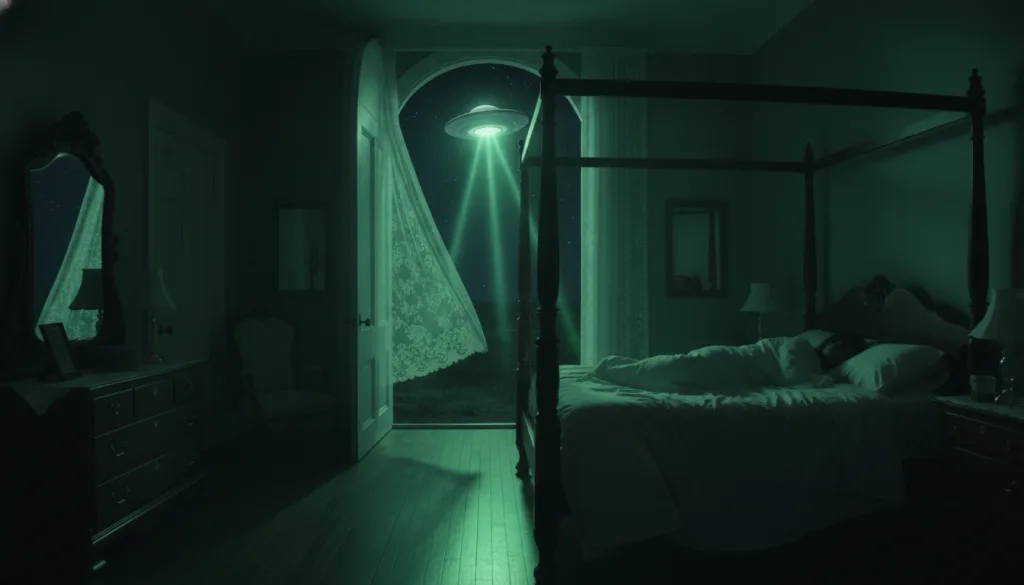
The evidence strongly indicates that many alien abduction experiences are closely linked to sleep paralysis events, fueled by a mix of psychological, cultural, and neurobiological factors. While the possibility of extraterrestrial life cannot be categorically dismissed, the overwhelming patterns observed in abduction narratives suggest that human perception and belief systems significantly influence how these experiences manifest. Our understanding of consciousness and the human mind must evolve to incorporate these experiences, reshaping our interpretations of reality in the face of the unknown.
Sources & References
Alcock, J., & Hyman, R. (2006). Sleep Paralysis: Historical, Psychological, and Cultural Perspectives. American Psychological Association.
Hufford, D. J. (1982). The Terror That Comes in the Night: An Experience-Centered Study of Supernatural Assault Traditions. University of Pennsylvania Press.
Mack, J. E. (1994). Abduction: Human Encounters with Aliens. Scribner.
Sleep Medicine Research Society. (2020). Sleep Paralysis: Epidemiology and Clinical Features. Sleep Medicine.
Vaughan, M. (2018). Abduction Experiences: Cultural Context and Impact. American Journal of Psychiatry.





Comments 0
Be the first to comment!