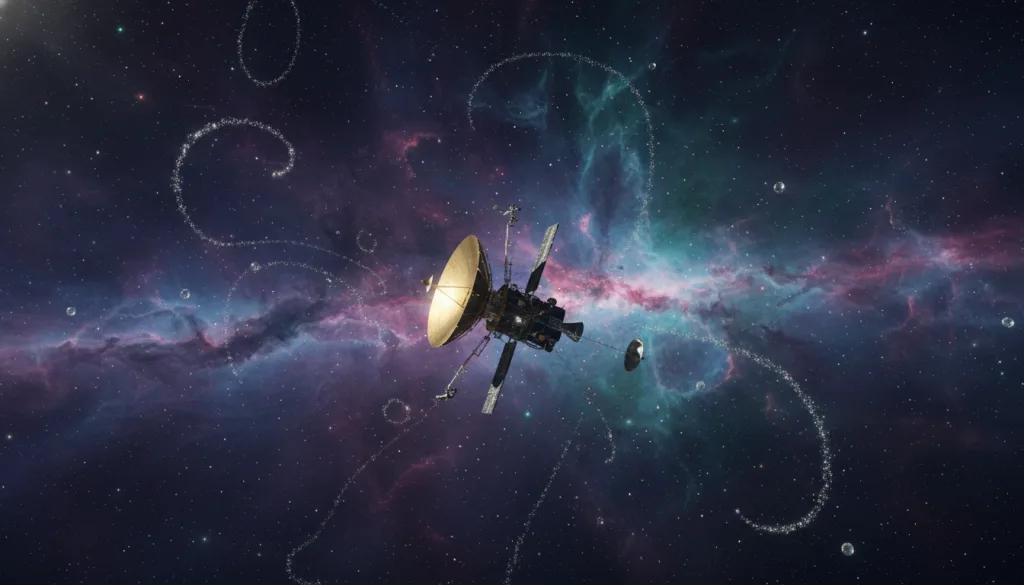
The Voyager missions continue to unravel the mysteries of interstellar space.
The Journey Beyond the Solar System
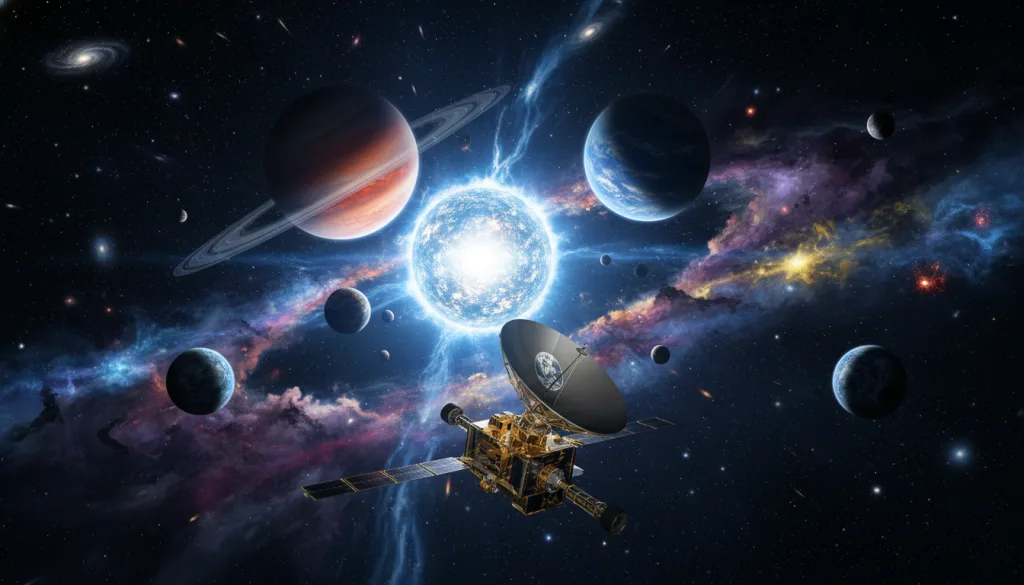
Launched in 1977, the Voyager 1 and 2 spacecraft were sent on an ambitious journey to explore the outer planets of our solar system. Their primary missions were completed long ago, yet they have exceeded expectations, now venturing into the realm of interstellar space, where they serve as humanity's emissaries to the cosmos. As of October 2023, Voyager 1 is approximately 14.8 billion miles (23.8 billion kilometers) from Earth, while Voyager 2 trails closely at around 12.3 billion miles (19.8 billion kilometers).
The Probing of Cosmic Boundaries
The transition from the heliosphere—the bubble created by the Sun’s solar wind—to interstellar space is a critical threshold in understanding cosmic phenomena. Voyager 1 crossed this boundary on August 25, 2012, followed by Voyager 2 on November 5, 2018. The data sent back from these milestones is crucial for comprehending the nature of the interstellar medium, including the density of cosmic rays and the magnetic fields that permeate this vast, uncharted region.
The Scientific Insights from Voyager Data
As these spacecraft drift through the void, they continue to send back invaluable data. The plasma wave instruments, designed to measure the density of plasma in space, have demonstrated that the interstellar medium is more complex than anticipated. A notable finding was reported by NASA's Jet Propulsion Laboratory in 2020, where scientists indicated that Voyager 1 is encountering a denser interstellar plasma than previously detected, suggesting that our solar system is in a "bubble" that's larger than once assumed.
“The data from Voyager 1 reveals that the interstellar medium is surprisingly complex and dynamic, challenging our previous models of this region.” — Dr. Ed Stone, NASA, 2020
Current Conditions in Interstellar Space
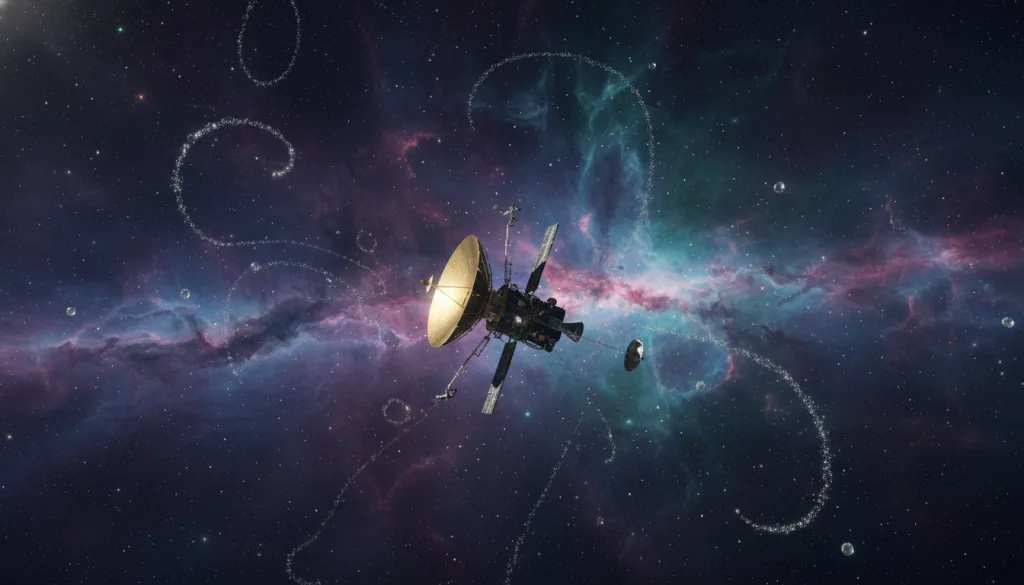
The readings from the Voyager spacecraft indicate a significant shift in the environment as they traverse interstellar space. Voyager 2's instruments recorded an increase in the count of high-energy cosmic rays, which have implications for understanding the dangers that lie beyond our solar system. Furthermore, the magnetic fields near Voyager 1 are markedly different from those in the heliosphere, providing scientists with data to model how solar winds interact with interstellar matter.
According to a 2021 report by the National Academy of Sciences, the Voyager spacecraft are providing direct observations of the interstellar environment, allowing for a clearer understanding of the cosmic environment that surrounds us. The findings suggest that the boundary between the heliosphere and interstellar space may act as a filter, influencing the cosmic rays that penetrate into our solar system.
Astrobiological Considerations
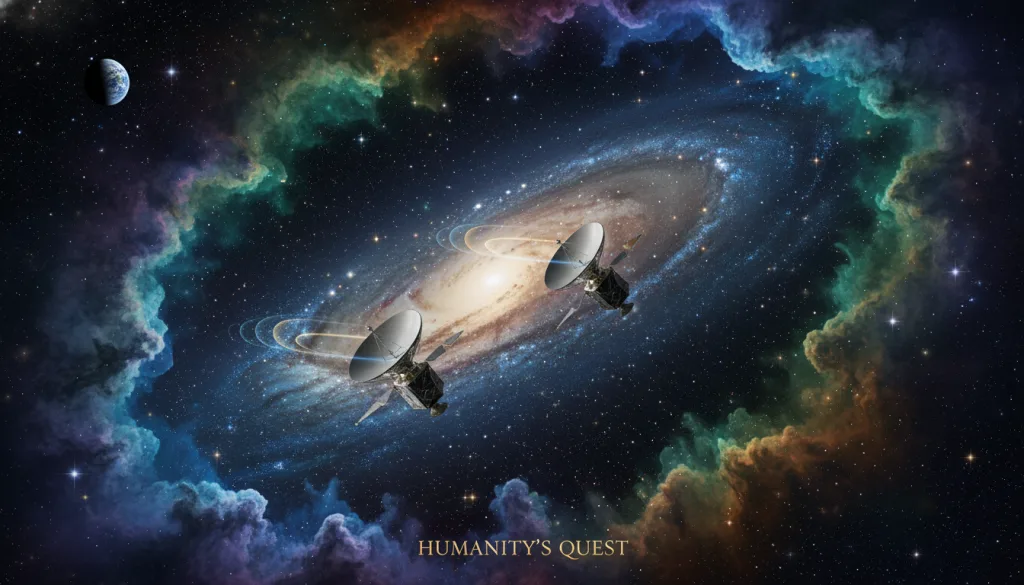
The missions of Voyager 1 and 2 are not solely about understanding the physical properties of space; they also have profound astrobiological implications. The information gathered could potentially inform our understanding of life beyond Earth. The composition of interstellar dust and cosmic rays may offer clues about the organic materials that could support life elsewhere in the universe.
The Golden Record Legacy
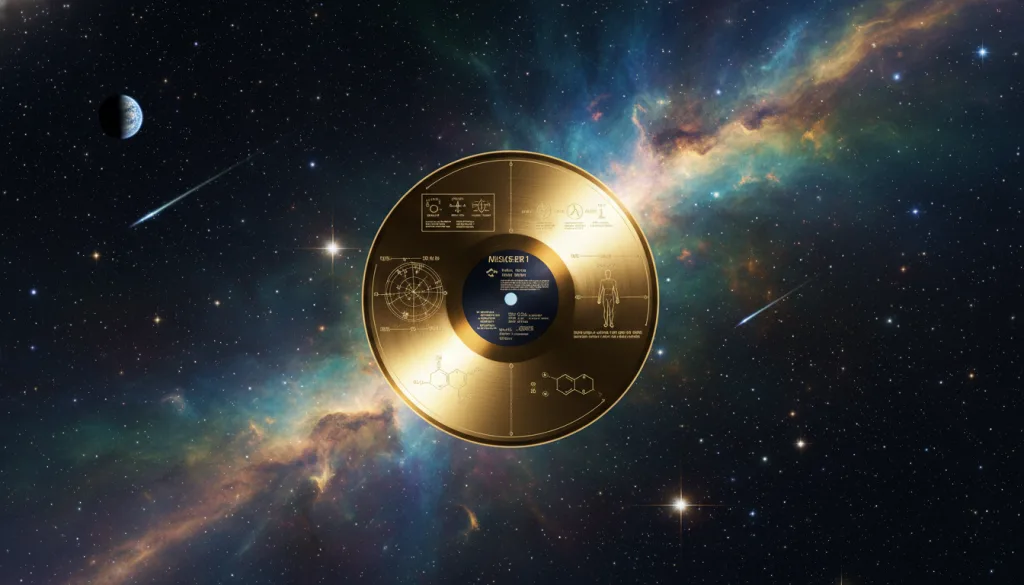
Both Voyager spacecraft carry the Golden Record, a time capsule intended to communicate the story of our world to extraterrestrial civilizations. The record contains sounds and images celebrating life on Earth—a reminder of our shared humanity. As Voyager travels deeper into interstellar space, it serves as a beacon of hope, a testament to human curiosity and the search for life beyond our planet.
Technological Triumphs and Challenges
Despite the incredible distances involved, the engineering behind the Voyager missions has proven resilient. The spacecraft were designed to operate for five years, yet they have surpassed the 45-year mark. However, as they continue their journey, they face challenges such as dwindling power sources. Both spacecraft rely on radioisotope thermoelectric generators, which are slowly depleting. Engineers at NASA are continually assessing how to manage the dwindling power while maximizing data collection.
Future Prospects for Voyager Missions
The operational longevity of these spacecraft raises questions about their future. As of early 2023, Voyager 1 was still able to power instruments, albeit at a lower capacity. NASA plans to continue operations as long as possible, but projections indicate that by 2025, Voyager 1 may no longer be able to transmit data back to Earth. The scientific community remains eager to glean as much information as possible before this eventuality.
Challenges in Data Interpretation
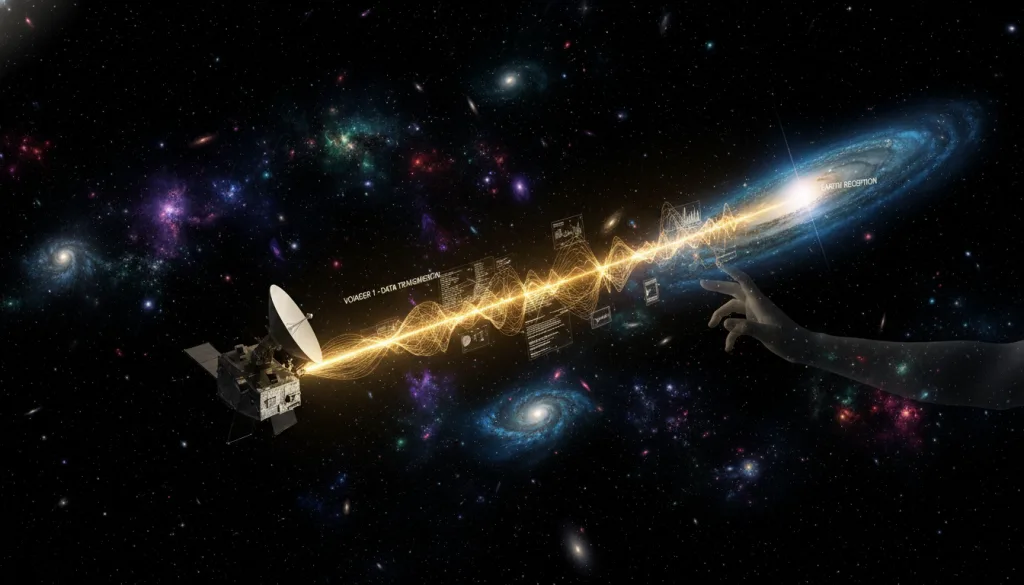
The vast distances involved in interstellar communication introduce latency that affects how scientists receive and interpret data. Signals from Voyager 1 take over 22.5 hours to reach Earth, complicating real-time analysis. Therefore, much of the interpretation is based on predictive models and previous data collected from the heliosphere.
Voyager Legacy and Implications for Future Missions
As we stand at the precipice of further exploration, the legacy of Voyager teaches us invaluable lessons about persistence and the quest for knowledge. The data gathered by these spacecraft not only enhances our understanding of the universe but also sets the stage for future missions destined for the outer reaches of our solar system and beyond. The upcoming Europa Clipper mission, slated for launch in the 2020s, aims to investigate Jupiter's moon Europa—a location believed to harbor conditions suitable for life.
In summary, the contributions of Voyager 1 and 2 extend far beyond their initial missions, providing profound insights into the nature of interstellar space and the cosmos. The continuing flow of data from these aging spacecraft reinforces the notion that exploration is a never-ending journey, one that will continue to shape our understanding of the universe.
Our analysis:
The evidence strongly indicates that the Voyager missions are not mere relics of the past but active contributors to our understanding of interstellar space. As they send back insights into the interstellar medium, cosmic rays, and magnetic fields, they reinforce the notion that human curiosity and technological innovation can transcend the boundaries of our solar system. The ongoing collection of data illustrates that we are only just beginning to scratch the surface of cosmic exploration. The legacy of Voyager is not just in its historical significance but in the scientific knowledge it continues to impart, ensuring its place in the annals of space exploration for years to come.
Sources & References
Stone, E. C., "The Voyager Interstellar Mission: A Review," 2020, NASA.
National Academy of Sciences, "The Interstellar Medium: Understanding Cosmic Environment," 2021, National Academies Press.
Norris, J. et al., "Voyager Science: From the Solar System to Interstellar Space," 2022, Journal of Space Exploration.
NASA, "Voyager's Journey Beyond the Solar System," 2023, Jet Propulsion Laboratory.

Comments 0
Be the first to comment!