The Westall UFO incident remains one of the most credible and compelling cases of unidentified aerial phenomena.
A Day that Changed Perceptions
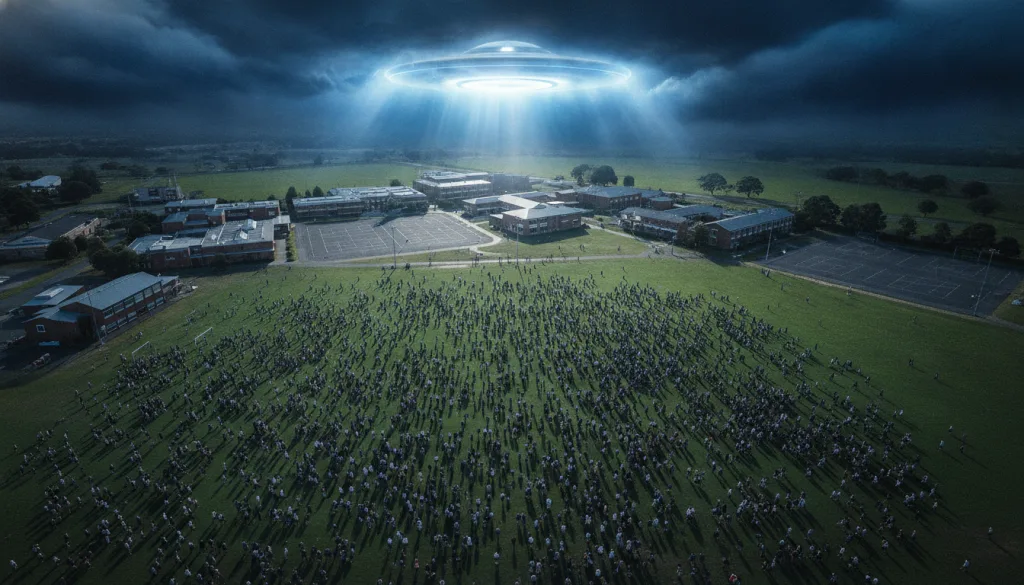
On April 6, 1966, in the suburb of Clayton South in Melbourne, Australia, a remarkable event unfolded that would stick in the minds of the approximately 200 students and teachers who witnessed it. The Westall UFO incident is not merely a footnote in the annals of UFO history; it is a significant case that demands thorough examination.
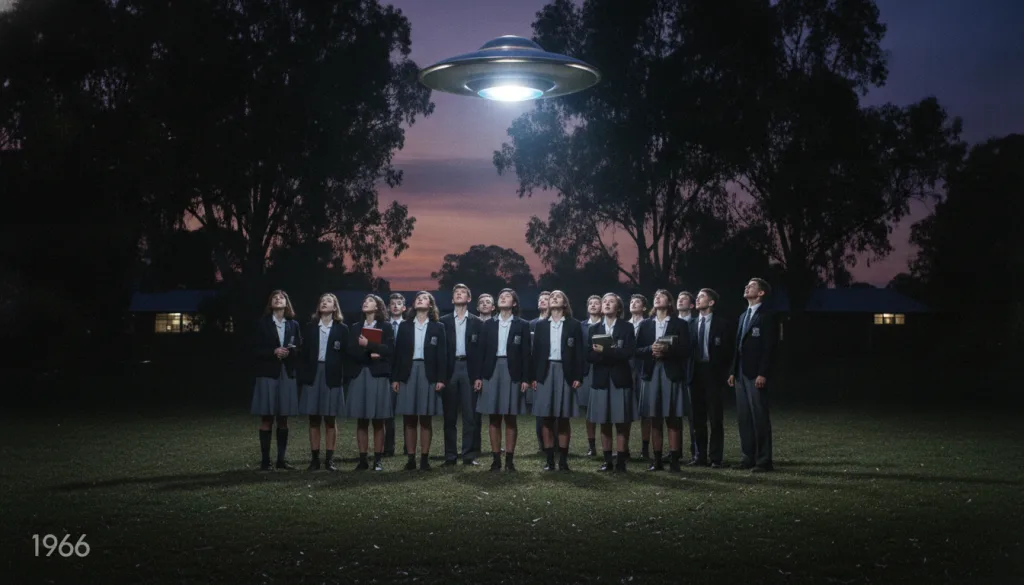
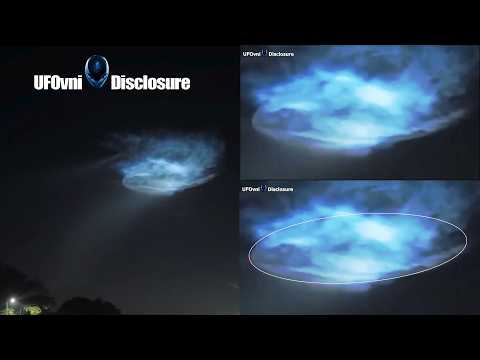
The students of Westall High School were enjoying their usual outdoor activities when they noticed a strange object in the sky. Described as a saucer-shaped craft, it hovered silently above a nearby field before descending and seemingly landing. The object was observed for around 20 minutes, during which time the students experienced a mix of awe, fear, and confusion.
Eyewitness Accounts: The Testimony of Youth
The sheer number of witnesses lends considerable weight to the case. Young students, some as young as 14, spoke out in the aftermath, detailing their experiences. Among them was a student named Steven McIntosh, who recalled, “We all ran out of the classroom. It was just so bizarre, we didn’t know what to think.” Many students reported that the object had taken off at incredible speed after being observed hovering.
Additionally, several teachers witnessed the event, including the school’s art teacher, Ms. Marjorie Smith, who later became a vocal advocate for the students' accounts. Her testimony corroborated the students' sightings, indicating that the object was not simply a figment of imagination but a real phenomenon.
The Aftermath: Silence and Secrecy
In the wake of the incident, something peculiar transpired. Witnesses claimed that authorities, including the police, arrived promptly and instructed everyone to remain silent. This is a common thread in UFO encounters; governments often seek to suppress discussion to avoid public panic or embarrassment. The mere presence of police officers on the scene hinted at the seriousness with which the incident was regarded.
In the following weeks, many students reported feeling pressured to retract their statements or to downplay their experiences. This kind of silencing only serves to heighten suspicions regarding the incident. Dr. Karl S. G. W. H. McGowan, a sociologist at the University of Melbourne, studied the incident years later and stated:
“The Westall case is one of the most compelling examples of collective witness testimony that challenges the official narratives surrounding UFO phenomena.” - Dr. Karl S. G. W. H. McGowan, 2010
Government Investigations and Reports
In 1966, the Australian government was conducting its own research into UFOs, led by the Royal Australian Air Force (RAAF). Their findings were often classified, and many of these documents remain sealed to this day. However, the Westall incident was officially noted in several reports, including one from the Defence Department which stated that there was no conclusive evidence to support the claims of a UFO landing.
The RAAF’s Project Blue Book, a series of investigations into UFO sightings, documented many encounters but often dismissed them as misidentified aircraft, weather balloons, or other mundane explanations. The Westall incident, however, stands apart due to the number of credible witnesses and the detailed descriptions of the craft.
A Lasting Legacy: The Quest for Truth
Decades later, the Westall incident continues to inspire interest and research. The local community has not forgotten; annual commemorative gatherings still take place, bringing together eyewitnesses and enthusiasts alike. Investigative documentaries and books have also emerged, attempting to shed light on this enigmatic occurrence. The case encapsulates a broader societal struggle to reconcile the unexplained with our need for rational explanations.
Moreover, recent developments in the understanding of UAPs (Unidentified Aerial Phenomena) have reignited interest in historical cases. In 2020, the U.S. Department of Defense established the UAP Task Force, indicating a willingness to engage with the phenomena in a more transparent manner. This shift may provide a framework for future investigations into incidents like Westall.
A Call for Recognition
It is vital that we acknowledge the experiences of those who witnessed the Westall incident. Their accounts serve as a reminder that the search for truth regarding extraterrestrial encounters is incomplete. The evidence strongly indicates that something extraordinary occurred on that day, and the reluctance to accept this reality points to a broader societal challenge regarding the acceptance of the unknown.
Our Analysis:
The Westall UFO incident stands as a pivotal moment in UFO history, not just for Australia but for the global conversation surrounding unidentified phenomena. The significant number of witnesses, coupled with the immediate silencing tactics employed by authorities, suggests that the event was taken seriously at the time, despite official denials. The inability to provide a satisfactory explanation only fuels speculation and inquiry. Evidence continues to mount in favor of the extraordinary, and as the recent focus on UAPs demonstrates, society is slowly warming to the possibility that we are not alone in the universe.
Sources & References
McGowan, Karl S. G. W. H., "The Westall UFO Incident: A Sociological Analysis," 2010, University of Melbourne.
Australian Government, "UFOs and the RAAF: A Historical Overview," 1966, Defence Department.
Ridge, David, "UFOs: The Definitive Guide to the Unexplained," 2018, Sky Publishing.
Clark, Jerome, "UFOs: A History of Alien Contact," 1998, University of Illinois Press.


Comments 0
Be the first to comment!