A deep dive into one of the most significant and well-documented UFO encounters in military history.
Context of the Encounter
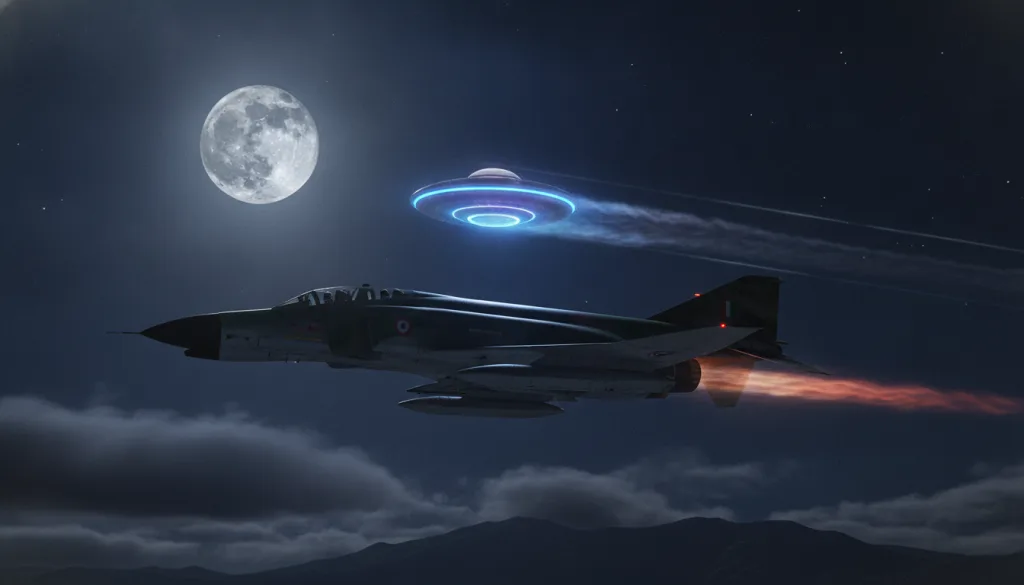
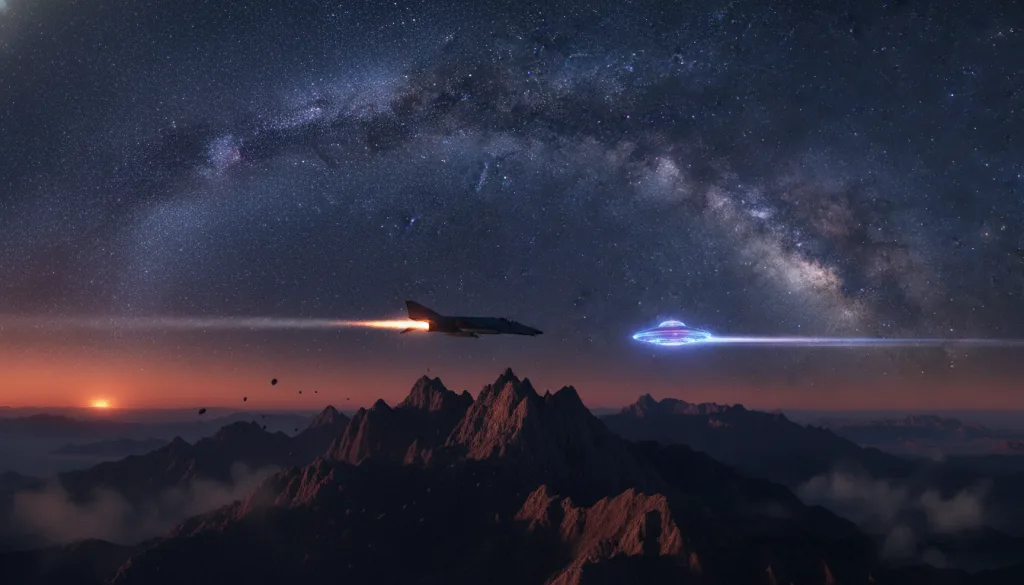
The Tehran UFO incident occurred on September 19, 1976, over Tehran, Iran, during a period of escalating tensions in the Middle East. The geopolitical landscape was complex, with the Iranian Revolution on the horizon and the Cold War intensifying. On this night, an unidentified flying object was spotted by multiple witnesses, including military personnel, civilians, and air traffic control. The incident, particularly the involvement of an Iranian F-4 Phantom fighter jet, has since been analyzed extensively, providing key insights into the nature of UFO encounters and military readiness.

The Initial Sightings
Initially reported around 11:30 PM, the UFO was first observed by two Iranian police officers who noticed a bright light in the sky. Their observations prompted further reports, including a call to the Mehrabad Airport control tower. The air traffic controller, Mehrdad Khoshbakht, also saw the light, which appeared to be a flying object hovering and making erratic movements. The object emitted a bright, pulsating light, and its behavior was unlike any conventional aircraft.
About an hour later, the Iranian military became involved. The Iranian Air Force scrambled two F-4 Phantom jets from the 1st Tactical Fighter Squadron, led by Lieutenant Parviz Jafari. They were equipped with advanced radar systems capable of detecting aerial threats. Jafari and his wingman took off from the Shahid Nojeh Air Base in Hamadan, approximately 350 kilometers from Tehran, on a mission to intercept the unidentified object.
Military Engagement and Radar Anomalies
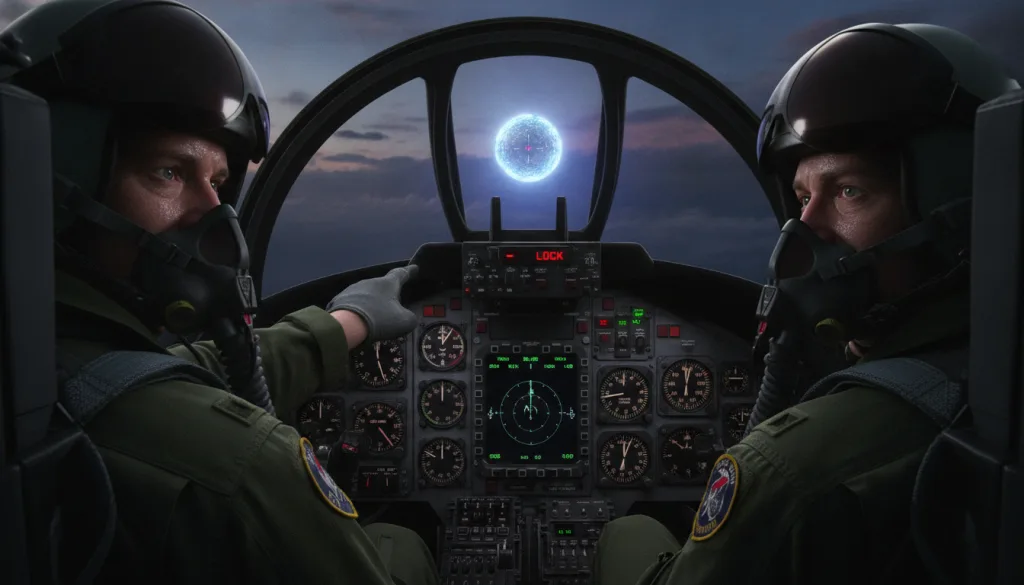
As Jafari's F-4 Phantom approached the target area, numerous radar anomalies were recorded. The aircraft's onboard radar initially detected the UFO at a range of approximately 40 miles, but as they closed in, the radar readings became erratic. Jafari reported that when he attempted to lock onto the object, the radar signal vanished. This phenomenon has been documented in various military analyses related to UFO encounters, suggesting advanced technology beyond conventional aircraft capabilities.
Direct Engagement
Upon reaching the estimated location of the UFO, Lieutenant Jafari and his wingman were met with peculiar circumstances. As they approached the object, their aircraft experienced severe electrical malfunctions. Instruments failed, and weapon control systems became unresponsive. Jafari later described the incident, stating, “As I got closer to the target, all my instruments started to go crazy. I couldn’t even fire my weapons.” This experience indicates a potential electromagnetic interference from the UFO, a characteristic noted in many other UFO reports involving military engagements.
Multiple Witness Accounts and Confirmation
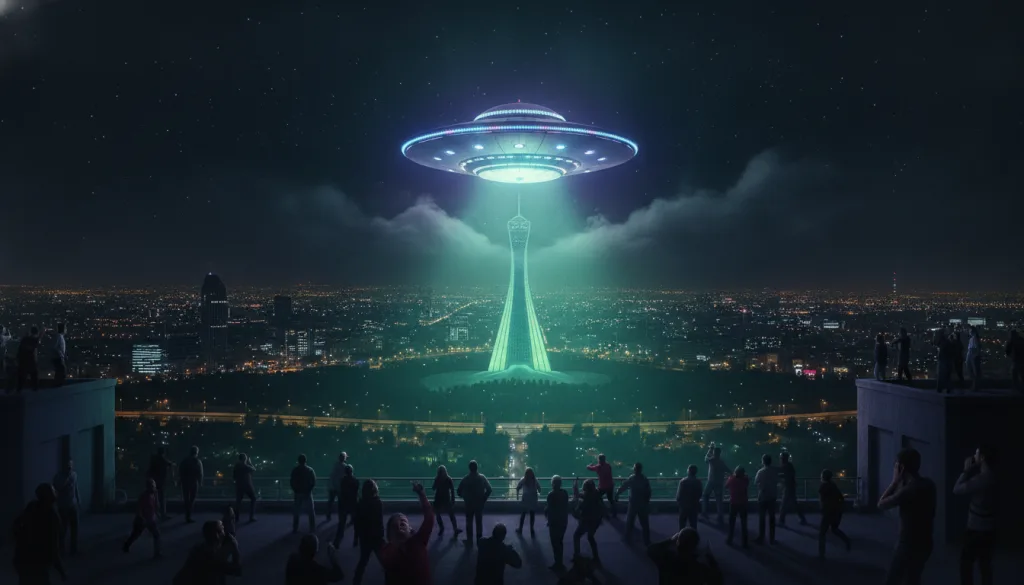
The Tehran incident is remarkable not only for the military engagement but also for the extensive array of credible witnesses. Multiple civilians observed the UFO, including several people from different locations in Tehran who reported seeing the same bright, pulsating object in the sky. Testimony from the control tower personnel further corroborated these sightings, as they provided real-time data on the object's movements.
“This case is one of the most significant UFO incidents in history, combining solid military engagement with multiple civilian sightings.” — Dr. James E. McDonald, 1978
Dr. McDonald, an atmospheric physicist and UFO researcher, highlighted the Tehran incident's importance in the broader context of UFO research. His analysis emphasized that the combination of military and civilian accounts lends credibility to the encounter, making it a cornerstone event in UFO studies.
Subsequent Investigations and Reports
In the aftermath of the incident, the Iranian government investigated the situation as a potential air defense breach. The United States Department of Defense also took an interest, given the geopolitical implications surrounding Iran and its military capabilities at the time. The incident was documented in various intelligence reports, although many remain classified. An analysis conducted by the U.S. Air Force's Project Blue Book noted the anomalies experienced by the F-4 Phantom fighters and the lack of any conventional explanation for the sightings.
Disinformation and Misinformation
The Tehran incident, like many similar cases, has been plagued by misinformation. In the years following the event, various narratives emerged, often downplaying the significance of the encounter. Some skeptics attributed the sightings to atmospheric phenomena or misidentified aircraft, a common rebuttal in UFO discourse. However, the military's own records and the credibility of the witnesses suggest a much more complex reality.
The Legacy of the Tehran Incident
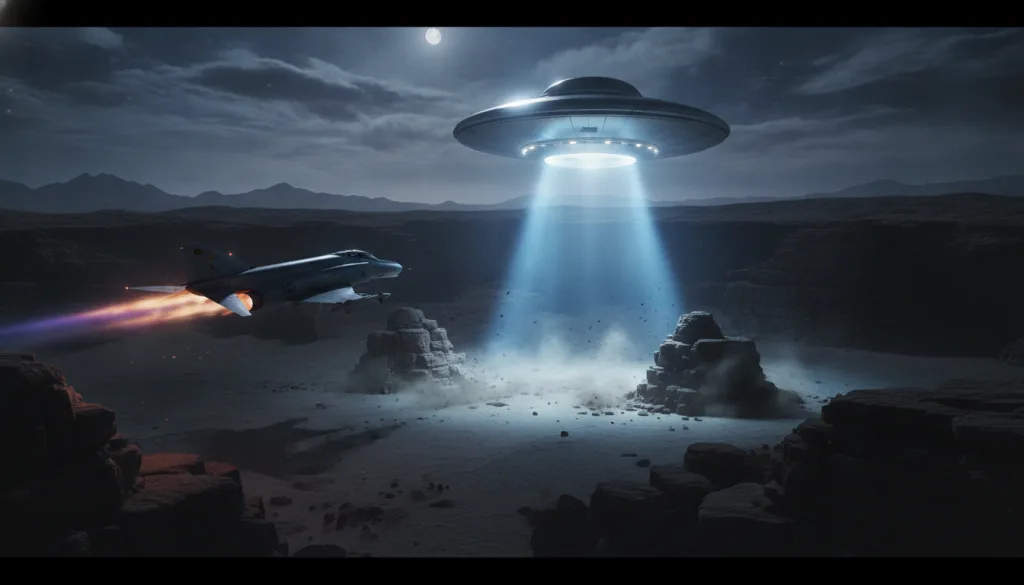
The Tehran UFO incident remains a defining moment in the study of unidentified aerial phenomena. It not only illustrates the potential for advanced technologies beyond our current understanding but also highlights the need for transparency in military engagements with UFOs. The incident is often referenced in discussions about military encounters with aerial phenomena due to the depth of evidence and the number of credible witnesses involved.
Implications for Modern Air Force Protocols
In light of the Tehran incident and others like it, there has been a renewed interest in how military organizations handle UFO sightings. In 2020, the U.S. Department of Defense established the Unidentified Aerial Phenomena Task Force (UAPTF) to investigate and report on aerial phenomena that might pose a threat to national security. The findings from the Tehran incident serve as a historical precedent informing current understanding and protocols related to UFOs.
Notre analyse :
Our analysis of the Tehran UFO incident leads to a clear conclusion: the evidence strongly indicates that this was not a mere case of misidentification or atmospheric anomaly. The corroborative accounts from military personnel, civilian witnesses, and the advanced technology of the F-4 Phantom suggest that an unidentified aerial phenomenon was indeed present on that September night in 1976. The implications of such encounters are profound, raising questions about the nature of these phenomena and the potential technological capabilities that may exist beyond current human understanding. The lack of sufficient government transparency on such incidents continues to fuel speculation and skepticism, highlighting the necessity for ongoing investigation and open discourse regarding aerial phenomena.
Sources & References
McDonald, James E., "The UFO Phenomenon," 1978, University of Arizona. p>U.S. Air Force, "Project Blue Book Reports," 1969, U.S. Department of Defense. p>Gordon, David, "UFOs and the Military: The 1976 Tehran Incident," 2015, Smithsonian Institution. p>Marchetti, Victor, "The Secret History of UFOs," 1998, HarperCollins. p>Haines, Richard, "UFOs and the National Security State," 2007, State University of New York Press.



Comments 0
Be the first to comment!