A phenomenon that haunts the collective memory of a small town and the tragedy that followed.
Origins of the Legend
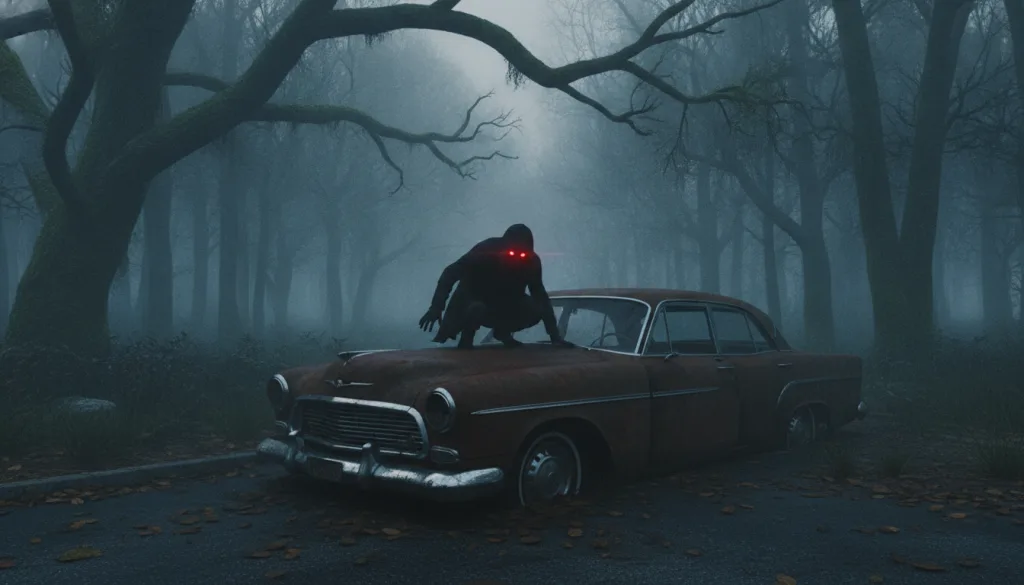
The Mothman legend began in the small town of Point Pleasant, West Virginia, in November 1966. On the evening of November 12, two couples, Roger and Linda Scarberry and Steve and Mary Mallette, reported a terrifying encounter near an old munitions plant known as the TNT area. They described a large, winged creature with glowing red eyes that followed their car as they fled the scene, reaching speeds of nearly 100 miles per hour. This was not an isolated incident; rather, it marked the beginning of a series of sightings that would grip the town for over a year.
The Early Sightings
By 1967, the sightings intensified. Local newspaper, the Point Pleasant Register, documented several encounters, with reports of the Mothman being seen in various locations around Point Pleasant. On December 15, 1967, the newspaper reported that the creature had been sighted as far away as the nearby town of Gallipolis, Ohio. This surge in activity was compelling enough to attract the attention of researchers and paranormal enthusiasts alike.
On December 5, 1966, a state wildlife biologist, Dr. Robert L. Smith, conducted a study to investigate these sightings. In his report, he concluded that the creature was likely a large bird, possibly a sandhill crane. However, the locals were not convinced. Many insisted that they were witnessing something otherworldly, something that transcended mere biological explanation.
The Connection to the Silver Bridge Collapse
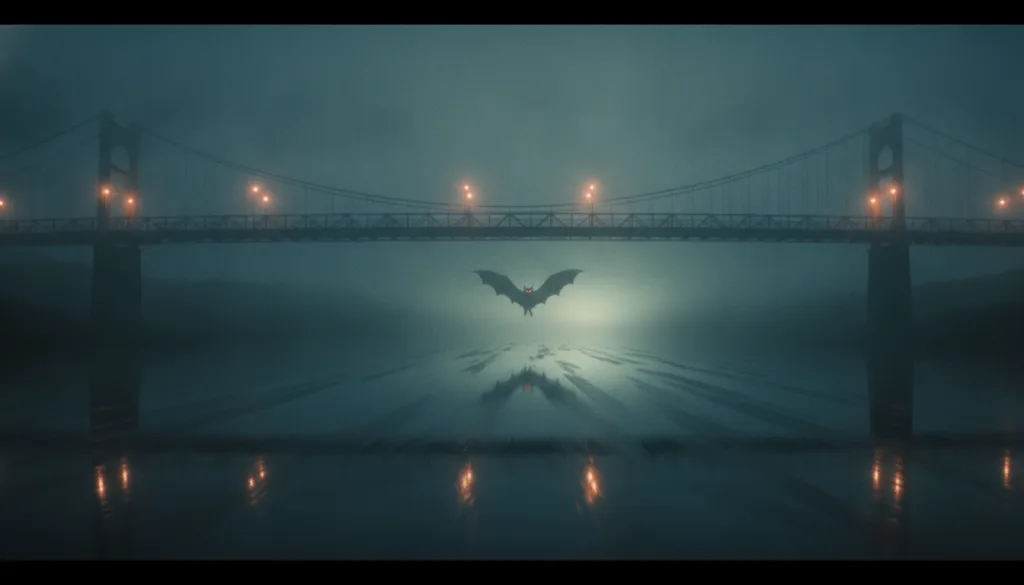
The Mothman sightings reached a fever pitch in the months leading up to the Silver Bridge collapse on December 15, 1967. On that fateful day, a significant tragedy struck the town of Point Pleasant when the bridge, which connected West Virginia to Ohio, suddenly collapsed during rush hour, claiming 46 lives. Eyewitness accounts indicated that some reported seeing the Mothman flying above the bridge just before the collapse, further intertwining the legend with the disaster.
Eyewitness Accounts
Reports from local residents on the day of the collapse added a chilling dimension to the Mothman narrative. Some claimed to hear a strange, eerie sound, described as a mix between a screech and a whistle, emanating from the area around the bridge before it fell. Others described seeing the Mothman soaring overhead, and there were whispers that the creature had been warning them of impending doom. For many residents, the Mothman's presence was no longer simply a myth; it became a harbinger of tragedy.
“The Mothman sightings were not just coincidental; they were warnings of something catastrophic that was about to occur,” said Dr. John A. Keel, a noted researcher and author of "The Mothman Prophecies" (1975). “The tragedy of the Silver Bridge only fueled the lore surrounding this creature.”
Media Coverage and Impact
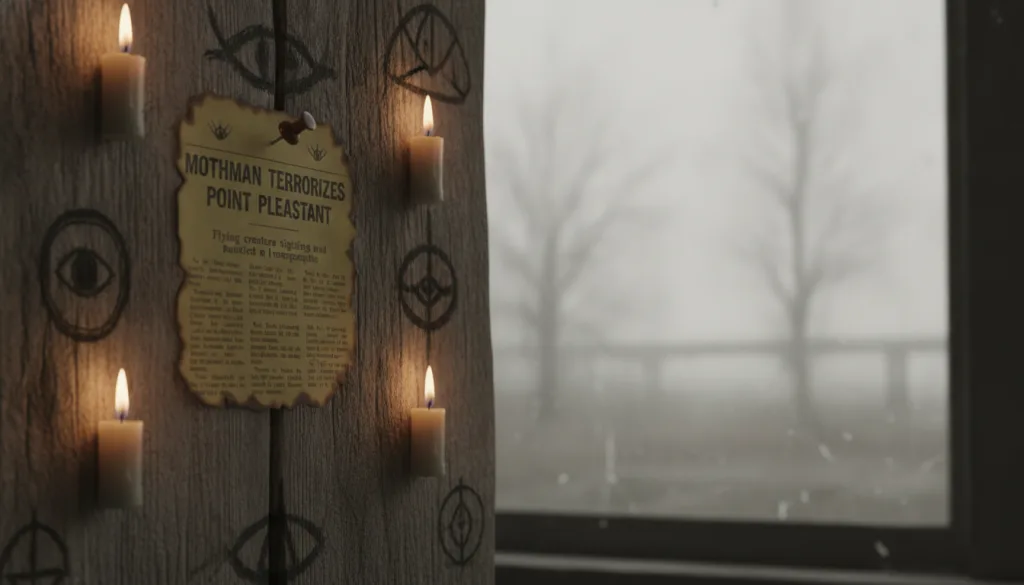
The aftermath of the Silver Bridge collapse brought national attention to Point Pleasant. Media outlets flocked to the scene, eager to cover the story of both the tragedy and the Mothman. The juxtaposition of a town grappling with grief and the legend of a mysterious creature created a narrative ripe for sensationalism.
In the year following the bridge disaster, the Mothman became a symbol not only of terror but also of the town's resilience. Documentaries and books, including John Keel's "The Mothman Prophecies," published in 1975, examined the connection between the sightings and the tragic events. Keel's work posited that the Mothman might represent a supernatural phenomenon that serves as a warning system, alerting humans to danger.
Implications of the Legend
The Mothman's legend continues to impact the cultural fabric of Point Pleasant. The town has embraced its identity as the "Mothman capital of the world," hosting an annual Mothman Festival that attracts thousands of visitors each year. This cultural phenomenon raises questions about the nature of urban legends: Do they serve as a means of coping with trauma, or do they reflect deeper societal anxieties? The Mothman, with its uncanny ability to symbolize both loss and forewarning, has become an enduring icon within American folklore.
A Psychological Perspective
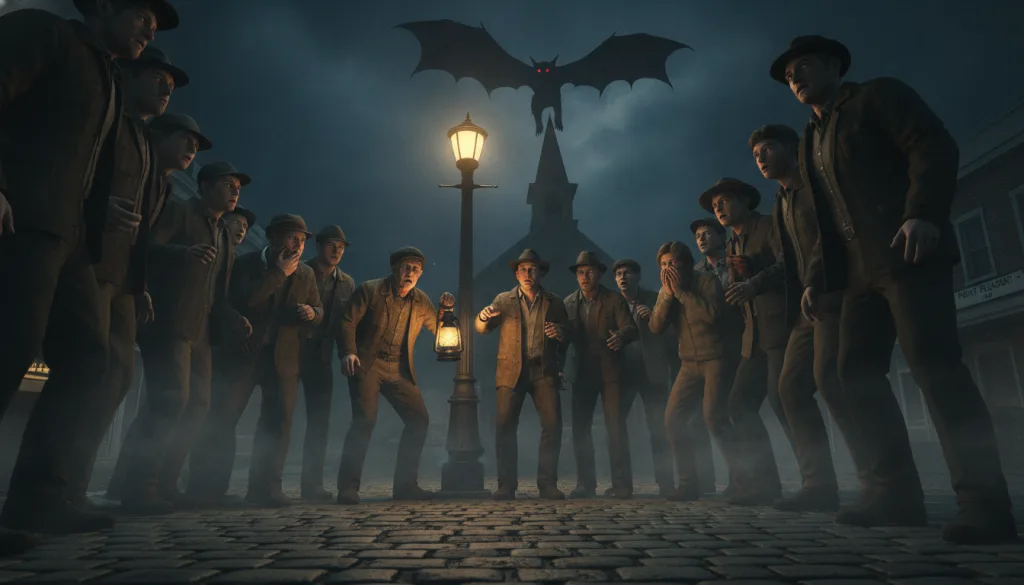
From a psychological standpoint, the Mothman phenomenon can be viewed through the lens of collective trauma. The Silver Bridge collapse was a traumatic event that left an indelible mark on the community of Point Pleasant. In this context, the Mothman could be interpreted as a manifestation of the collective fears and anxieties of the townspeople. Dr. Linda E. McGhee, a psychologist who has studied urban legends, notes, “When communities experience collective trauma, they often create mythological figures to help process their grief and fear. The Mothman serves this purpose for the people of Point Pleasant.”
The Role of Social Media and Modern Interpretation
In recent years, the resurgence of interest in the Mothman has taken on a new dimension thanks to social media and the internet. Documentaries, podcasts, and online forums allow enthusiasts and skeptics alike to share their theories and experiences. The creature has transitioned from a local legend to a phenomenon that resonates globally, feeding into the broader discourse on unidentified flying objects and supernatural occurrences.
Recent sightings have been reported, reigniting interest and speculation about the Mothman's true nature. Enthusiasts speculate that the Mothman phenomenon may indeed be indicative of larger, unresolved mysteries that humanity has yet to comprehend. As the debates rage on, one thing is certain: the Mothman of Point Pleasant has transcended its origins to become a symbol of both fear and fascination.
Notre analyse :
The evidence strongly indicates that the Mothman sightings are more than mere coincidence; they represent a complex interplay between local folklore and real-world tragedy. The phenomenon encapsulates a psychological response to trauma, serving as a vessel for communal fears. The Silver Bridge collapse added a layer of urgency and darkness to the legend, intertwining the mythos of the Mothman with tangible human loss. This duality raises intriguing questions about how we, as a society, process fear and uncertainty. The Mothman’s lasting legacy is not just as a creature of the night but as a symbol of our collective psyche, reminding us that sometimes, the unknown is more terrifying than the tragedies we face.
Sources & References
Keel, John A., The Mothman Prophecies, 1975, Hawthorne Books.
McGhee, Linda E., The Psychology of Urban Legends, 2016, Journal of Social Psychology.
Smith, Robert L., Wildlife and Mothman: A Study of Sightings, 1967, West Virginia Department of Natural Resources.
Point Pleasant Register, "Mothman Sightings Increase," December 5, 1966, Point Pleasant Register.
National Transportation Safety Board, Final Report on the Silver Bridge Collapse, 1968, NTSB.






Comments 0
Be the first to comment!