A deep exploration into the enigma of the most famous crystal skull, its origins, and the implications for archaeology and anthropology.
Historical Context: The Emergence of a Legend
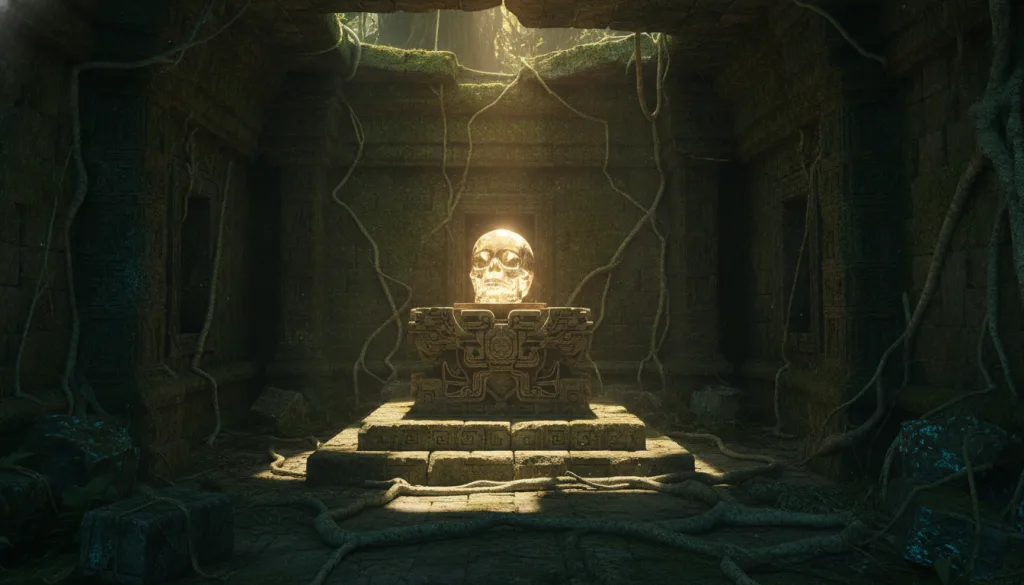
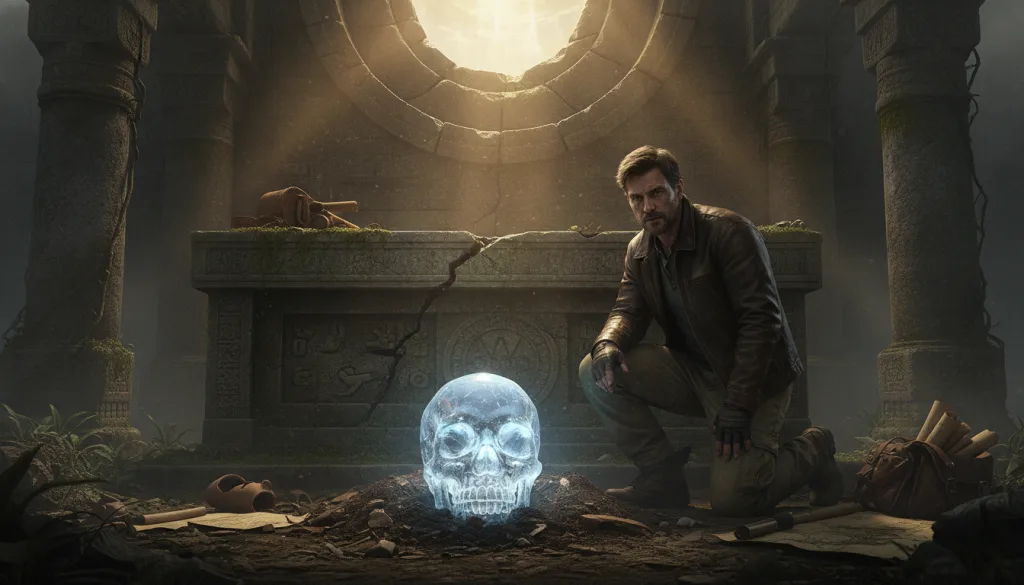
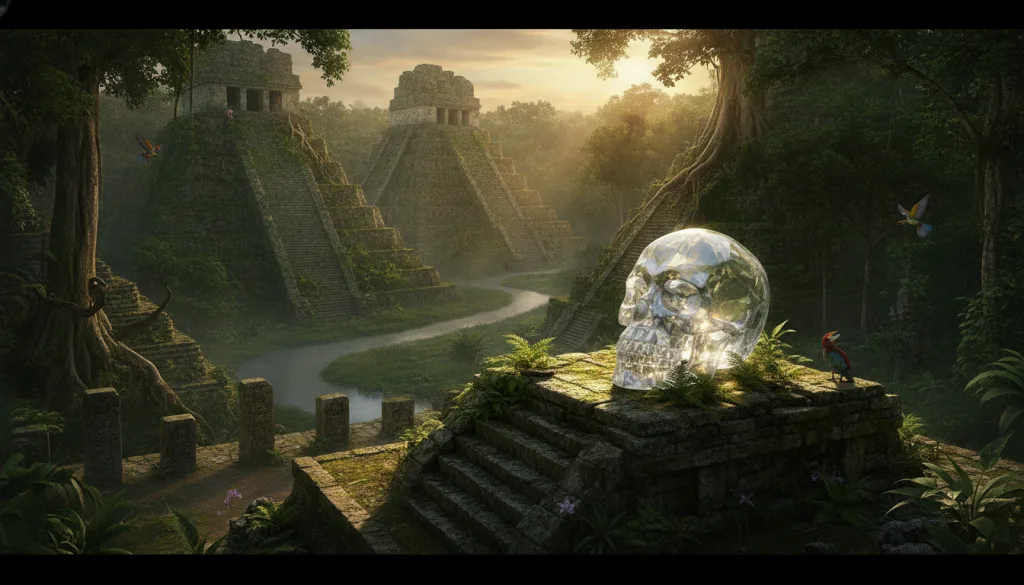
The Mitchell-Hedges Crystal Skull is not just an artifact; it’s a phenomenon that has captivated the imaginations of many since its discovery in the 1920s. The skull, purportedly made from a single piece of quartz crystal, was brought into the spotlight by F.A. Mitchell-Hedges, an explorer and amateur archaeologist. He claimed to have found it in 1924 while excavating the ruins of a Mayan city in Belize known as Lubaantun. This assertion, however, is mired in controversy.
Mitchell-Hedges stated that his daughter, Anna, first discovered the skull, which purportedly had mystical attributes, including the power to heal and communicate with the spirit world. In his book, "Danger My Ally," published in 1954, he described the skull as "a remarkable piece of work, an ancient artifact that defies the laws of physics." However, the timeline of its discovery remains troublesome, as there are no corroborative records from the archaeological community to validate his claims about Lubaantun.
Discrepancies in the Skull's Origin
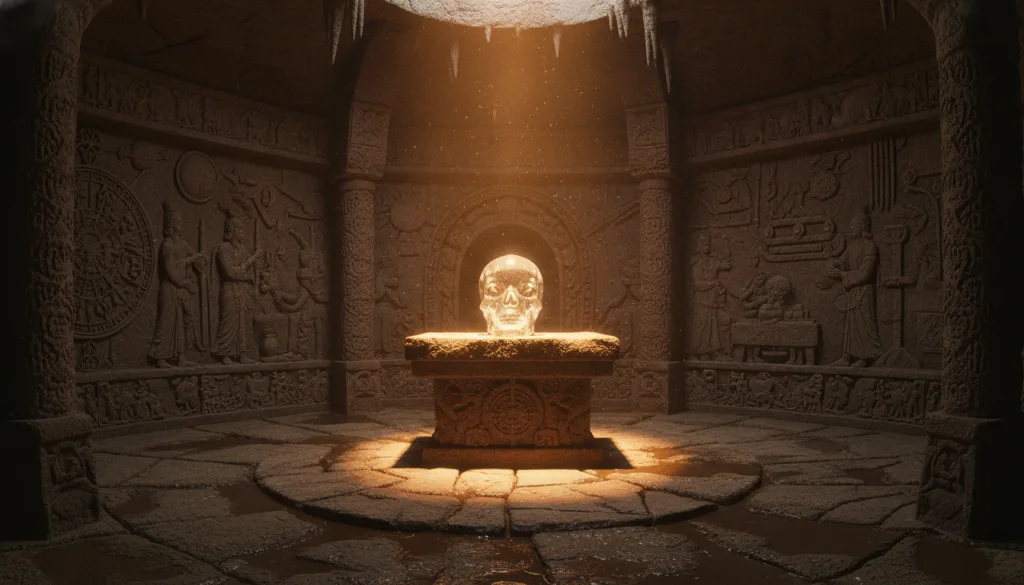
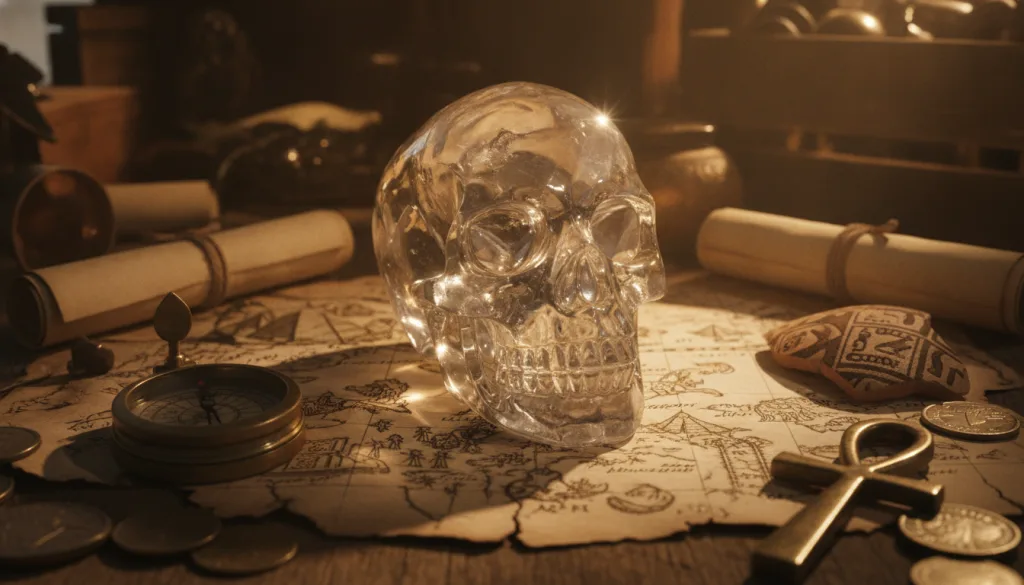
In 1970, a significant investigation into the Mitchell-Hedges Crystal Skull was conducted by Dr. Bill Homann, an anthropologist at the University of Southern California. His work suggested that the skull likely originated from Germany, rather than the Mayan civilization. He noted that the precision of the carving and the polish of the quartz crystal suggested a level of technology that was far beyond what the Mayans possessed at the time.
This theory gained traction after a 1992 report by the British Museum, which stated that the skull was likely carved in the 19th century and not earlier, as Mitchell-Hedges had claimed. The museum's examination revealed that the skull's features, including the intricate details of the teeth and the overall shape, were inconsistent with ancient Mesoamerican art. The report cast doubt on the authenticity of the skull as a genuine Mayan artifact.
"The Mitchell-Hedges Crystal Skull is a marvelous artifact, but its origins and authenticity remain questionable at best." — Dr. Bill Homann, 1970
The Influence of Pop Culture and Pseudoscience
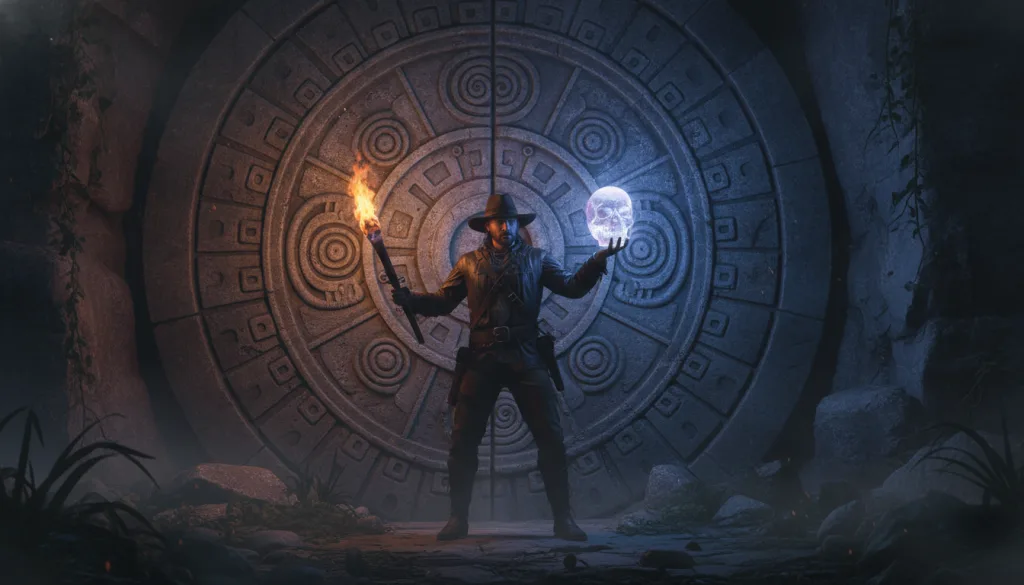
The allure of the Mitchell-Hedges Crystal Skull transcended academic scrutiny; it infiltrated pop culture and the realms of the metaphysical. In the 1980s, the skull became a central focus in various New Age movements, where it was touted as an "ancient technology" capable of unlocking cosmic knowledge. This characterization was fueled by the release of films such as "Indiana Jones and the Kingdom of the Crystal Skull" in 2008, which further romanticized the idea that such artifacts held supernatural powers.
The influence of pseudoscience has also played a significant role in the public perception of the skull. Numerous claims have emerged about its supposed abilities to heal ailments and connect users with spiritual entities. However, these assertions lack empirical evidence and have largely been dismissed by the scientific community. Notably, Dr. Chris French, a psychologist at Goldsmiths, University of London, stated in 2010, "Many of the claims surrounding crystal skulls can be attributed to the power of suggestion, rather than any tangible properties of the skull itself."
The Impact of Marketing and Reputation
The commercialization of the Mitchell-Hedges Crystal Skull has had profound implications. Various crystal skull replicas have flooded the market, often sold as authentic artifacts, capitalizing on the mystique surrounding the original. This commercialization has led to a dilution of historical significance, making it increasingly difficult to discern genuine archaeological findings from mere consumer products.
As such, the skull has become a double-edged sword for both archaeology and anthropology: while it promotes interest in ancient cultures, it also encourages a narrative that can overshadow the complexities of genuine archaeological endeavors.
"The continued fascination with the Mitchell-Hedges Crystal Skull has more to do with its myth than its authenticity." — Dr. Chris French, 2010
Scientific Scrutiny: An Analysis of Material and Construction
In the realm of scientific inquiry, the Mitchell-Hedges Crystal Skull has been subjected to various analyses. In a study conducted in 2007 by a team of researchers from the University of Chicago, the skull was subjected to advanced imaging techniques, including CT scanning and X-ray fluorescence. The results indicated that the skull’s construction was inconsistent with known ancient Mayan stone-carving methods.
The study suggested that the skull was likely carved using diamond-tipped tools, which were not available in the Mayan era. Moreover, the linear striations found on the skull’s surface were consistent with modern manufacturing techniques, which further undermined the claim of its ancient origins. This scientific analysis has been pivotal in shifting the narrative surrounding the artifact from a revered ancient relic to a product of modern craftsmanship.
Alternative Origins: The European Connection
Another theory posits that the Mitchell-Hedges Crystal Skull may have originated in Europe, potentially crafted by artisans during the 19th century. This theory gained traction following studies by Dr. Robert M. Schoch, a geologist known for his work in ancient civilizations. In 2015, Schoch proposed that the skull was likely manufactured in a workshop in Germany, where skilled craftsmen had access to advanced tools.
This hypothesis aligns with evidence found in the crystal skulls held by various institutions, including the British Museum and the Smithsonian Institution. These institutions possess crystal skulls that have been verified through scientific testing to be modern forgeries made in the 19th or 20th centuries. This trend of European craftsmanship further suggests that the Mitchell-Hedges Skull could be part of a broader tradition of crystal skulls created for the burgeoning market of ancient artifacts in the West.
"The techniques used to create these skulls are more aligned with the capabilities of 19th-century Europe rather than ancient Mesoamerican cultures." — Dr. Robert M. Schoch, 2015
Modern Implications: The Role of the Crystal Skull in Contemporary Archaeology
The Mitchell-Hedges Crystal Skull serves as a potent symbol of the tensions between genuine archaeological inquiry and the allure of myth-making. It underscores the necessity for rigorous scientific standards in archaeology and anthropology. The persistence of myths surrounding the skull illustrates the public's desire for connection to ancient wisdom, yet it also raises ethical questions about the commodification of culture and heritage.
As we navigate the complexities of archaeology in the modern age, the Mitchell-Hedges Crystal Skull offers a cautionary tale. It emphasizes the importance of skepticism and critical thought when approaching artifacts that claim to hold extraordinary powers or ancient knowledge. The exploitation of such artifacts can detract from genuine archaeological efforts and lead to misinformation about ancient civilizations.
Ethical Considerations in Artifact Preservation
The controversy surrounding the Mitchell-Hedges Crystal Skull highlights broader ethical considerations in artifact preservation. The debate over its authenticity raises questions about how artifacts should be treated, displayed, and interpreted. Should they be seen as objects of curiosity or as valuable cultural heritage? The line between entertainment and education must be navigated with care to ensure that the legacies of ancient cultures are respected.
Museums and research institutions must adopt ethical frameworks that prioritize accurate representation and avoid perpetuating myths. This involves not only comprehensive scientific inquiry but also engaging with indigenous communities and historians to accurately depict the stories these artifacts tell. In doing so, we can create a narrative that honors the complexity of human history rather than reducing it to sensational myths.
Notre analyse : En fin de compte, le crâne de Mitchell-Hedges sert de miroir à notre fascination pour le mystère et l'inconnu. Bien qu'il ait inspiré des générations d'explorateurs et d'artistes, son existence soulève des questions cruciales sur l'authenticité, l'éthique et le respect des cultures anciennes. Pour progresser dans la recherche archéologique, il est impératif que nous nous éloignions des récits sensationnels et que nous nous concentrions sur des preuves empiriques et une représentation précise de notre passé collectif.Sources & References
Harris, C. M., "Danger My Ally," 1954, F.A. Mitchell-Hedges.
British Museum Report, "Analysis of the Mitchell-Hedges Skull," 1992, British Museum.
Homann, B., "A Study of the Mitchell-Hedges Crystal Skull," 1970, University of Southern California.
Schoch, R. M., "The Mystery of the Crystal Skulls," 2015, Ancient Mysteries Press.
French, C., "Pseudoscience and the Crystal Skulls," 2010, Goldsmiths, University of London.





Comments 0
Be the first to comment!