A persistent anomaly defying conventional explanation.
Background of the Phenomenon
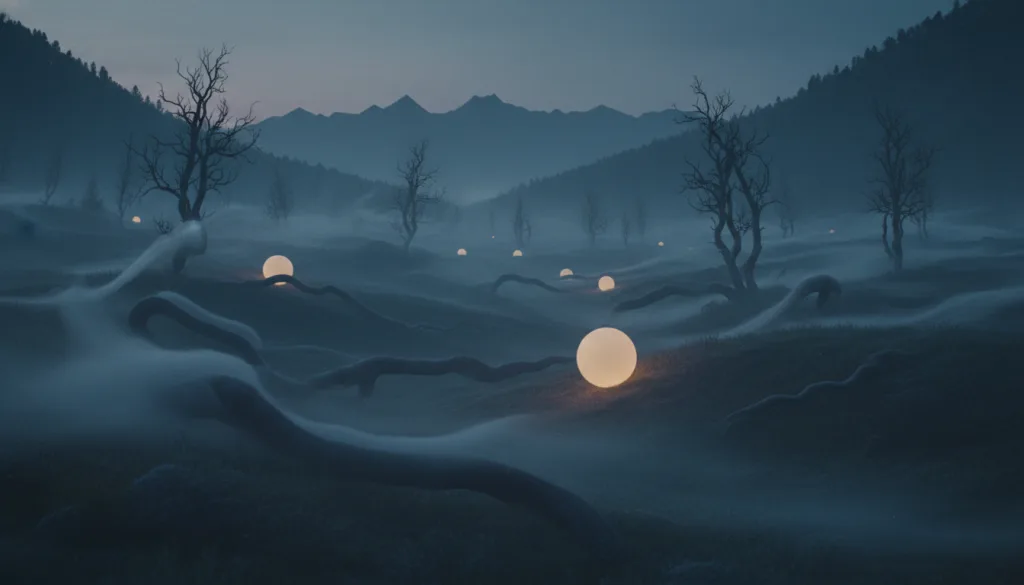
The Hessdalen lights, a series of unexplained luminous phenomena, have puzzled scientists and locals alike since their first documented sightings in the early 1980s. Located in the remote Hessdalen valley in Norway, these lights vary in color, intensity, and duration. The phenomenon came into the spotlight when sightings increased dramatically between 1981 and 1984. Reports described bright orbs floating, darting, and hovering in the sky. These accounts prompted scientific interest and led to extensive monitoring efforts.
Initial Observations
In December 1981, engineers Hans Holger Rognan and his team from the University of Bergen conducted one of the first systematic studies on the Hessdalen lights. Their research culminated in the "Hessdalen Project," which aimed to analyze the lights using scientific methodology. Early observations recorded lights at various altitudes, some as low as 100 meters, with speeds that defied known physics — moving as fast as 30 km/h.
Scientific Investigations and Collaborations
Since the inception of the Hessdalen Project, numerous international collaborators have joined the investigation. The Norwegian University of Science and Technology (NTNU) has played a key role, contributing technological resources and scientific expertise. In 2001, the "Hessdalen Lights Project" was established with a goal to monitor and analyze the lights comprehensively. Advanced equipment such as high-speed cameras and spectrometers were deployed to capture these enigmatic occurrences.
Key Findings
Data collected over the years has revealed several intriguing patterns. The lights are often reported to appear in pairs or clusters, suggesting a coordinated behavior. A study conducted in 2007 by physicist Øystein E. K. Brekke documented that the lights emit a wide spectrum of frequencies, including infrared and visible light. Brekke's findings implied a potential correlation between the lights and certain geological formations in the area, although this connection remains speculative.
“The lights in Hessdalen present a unique opportunity to study a phenomenon that does not conform to our current understanding of physics.” – Øystein E. K. Brekke, 2007
The Role of Local Infrastructure
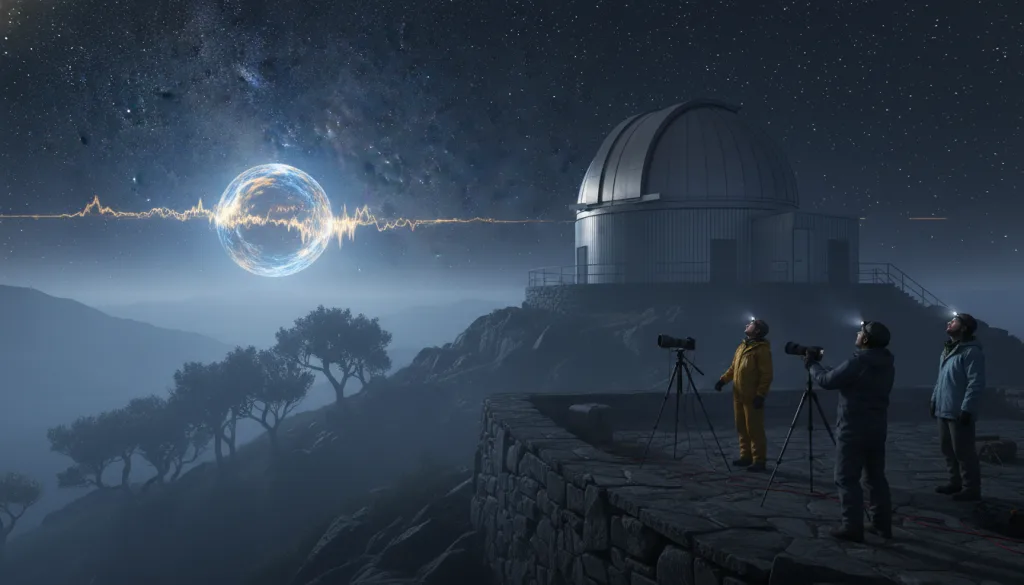
Infrastructure has significantly impacted how the Hessdalen lights are studied. A dedicated observatory was established in 2008, equipped with 24-hour surveillance capabilities. The observatory's presence has facilitated real-time data collection and analysis, allowing researchers to gather valuable insights. Additionally, community engagement has increased, with local residents contributing eyewitness accounts and participating in monitoring efforts.
Technological Advances in Observation
Recent technological advancements have enabled researchers to capture phenomena that were previously elusive. In 2019, a group of engineers developed a series of drones equipped with thermal imaging cameras to explore the valley's skies. Preliminary findings indicated that the lights occasionally coincide with specific meteorological conditions, such as low humidity and atmospheric pressure fluctuations. While these observations do not provide conclusive evidence, they serve as another layer in the complex puzzle of Hessdalen lights.
Theories and Speculations
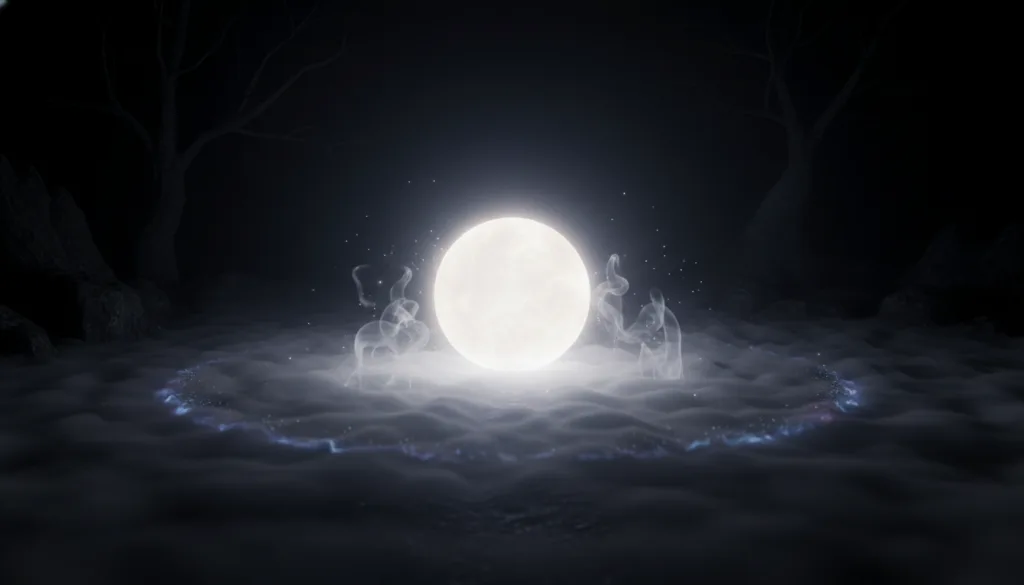
Various theories have been proposed to explain the Hessdalen lights, ranging from ball lightning to plasma discharge phenomena. Some researchers speculate that the lights could be rooted in geological activities unique to the region, given the area's rich mineral deposits. Interestingly, electrical discharge and geological phenomena have been observed in other locations worldwide, leading to a growing interest in the potential for similar occurrences elsewhere. However, each theory has been met with skepticism, as none have provided a definitive explanation for the phenomenon.
Comparative Anomalies
Interestingly, similar unexplained light phenomena have been documented globally, such as the Marfa Lights in Texas and the Brown Mountain Lights in North Carolina. However, the Hessdalen lights differ in that they have been subjected to prolonged scientific scrutiny, which has yet to yield a satisfactory explanation. This ongoing investigation positions Hessdalen as a unique case study in the field of unexplained aerial phenomena.
Future Directions for Research
The future of Hessdalen light research appears promising but fraught with challenges. Continued funding is essential for maintaining state-of-the-art equipment and expanding research teams. The establishment of academic partnerships and international collaborations will further enhance the study’s credibility. Furthermore, researchers advocate for increased public awareness and community involvement to foster a deeper understanding of the phenomenon.
Potential Impact on Science
Discussions surrounding the Hessdalen lights have implications that extend beyond the phenomenon itself. The methodology employed in this research can serve as a model for studying other unexplained phenomena, reinforcing the necessity of scientific inquiry in the face of the unknown. As stated by researcher Dr. Håkon Storm, “Science thrives on challenges. The Hessdalen lights pose a tremendous challenge that demands our attention.”
“Science thrives on challenges. The Hessdalen lights pose a tremendous challenge that demands our attention.” – Dr. Håkon Storm, 2022
Our Analysis:
The evidence strongly indicates that the Hessdalen lights represent a complex phenomenon that eludes conventional scientific explanation. Despite advances in technology and methodology, the lights remain enigmatic. The ongoing research highlights the importance of scientific inquiry in the realm of unexplained phenomena. As history has shown, unexplained occurrences often yield groundbreaking discoveries when pursued relentlessly. Hessdalen is no exception. This sustained interest could ultimately yield insights into atmospheric physics, geology, and even consciousness itself, as we endeavor to uncover the truth behind these captivating lights.
Sources & References
Brekke, Øystein E. K., "Observations of the Hessdalen Lights," 2007, Norwegian University of Science and Technology.
Rognan, Hans Holger, "The Hessdalen Lights Project," 1984, University of Bergen.
Storm, Håkon, "Scientific Challenges in Anomalous Phenomena," 2022, International Journal of Unexplained Science.
Hessdalen Light Research Institute, "Hessdalen Monitoring Report," 2019, Hessdalen Research Institute.




Comments 0
Be the first to comment!