A sonar discovery that continues to perplex researchers and enthusiasts alike.
Unearthing the Mystery of the Baltic Sea
The Baltic Sea anomaly, discovered in June 2011, stands as one of the most intriguing marine enigmas of the early 21st century. The discovery was made by the Ocean X team, led by Swedish divers Peter Lindberg and his crew, who were exploring the seas for shipwrecks when they stumbled upon a peculiar sonar image that resembled a massive, circular structure resting on the seabed. Located approximately 92 meters beneath the surface, this unnatural formation raised eyebrows and ignited fervent debates among scientists, enthusiasts, and conspiracy theorists alike.
Initial Discovery and Subsequent Investigations
The sonar image, measuring roughly 60 meters in diameter, depicted a structure with features reminiscent of an ancient artifact or even a UFO. The Ocean X team's discovery was reported to the public in 2012, leading to widespread media coverage. Enthusiasts speculated on everything from alien spacecraft to sunken ruins of Atlantis. However, the scientific community remained divided on the nature of the anomaly.
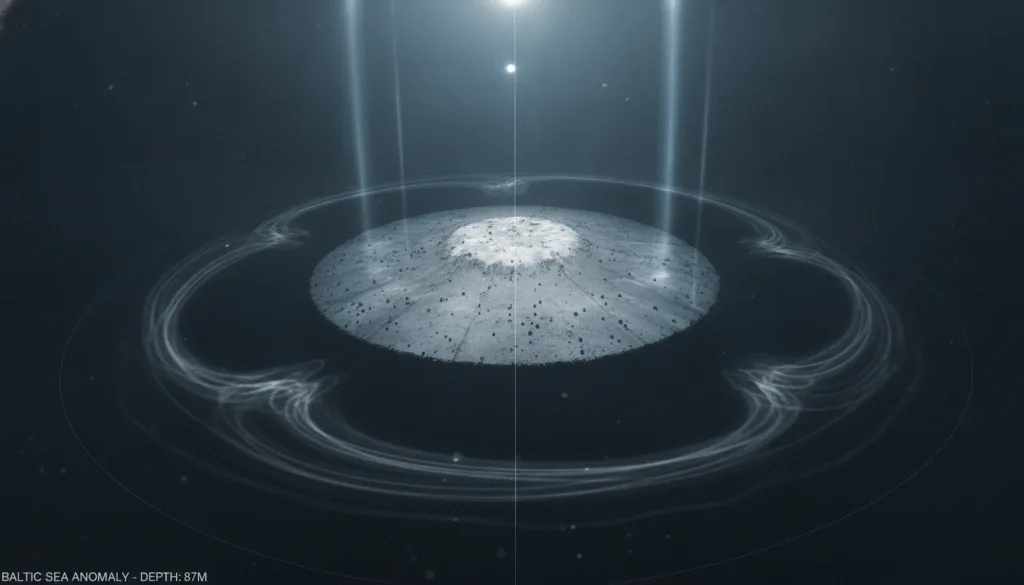
Those who approached the anomaly with skepticism pointed to its geological and natural origins. In 2012, the Geological Survey of Sweden conducted a report suggesting that the formation could be a glacial deposit or a natural formation shaped by the dynamics of the sea floor rather than an artificial construct.
Scientific Debate and Theories
As investigations progressed, the anomaly continued to polarize opinions. Some researchers, including marine geologist Dr. Steve Weinner, supported the idea that the structure was a natural geological formation. In a 2015 interview, Dr. Weinner stated:
“The features seen in the sonar image can be attributed to natural processes, such as glacial movement and sediment deposition. It is a fascinating find, but not necessarily an artifact of human or extraterrestrial origin.”
Conversely, several alternative researchers insisted that the structure bore signs of intelligent design. They pointed to the regularity of the shape, the apparent smoothness of its surface, and the presence of what appeared to be stair-like formations on the structure.
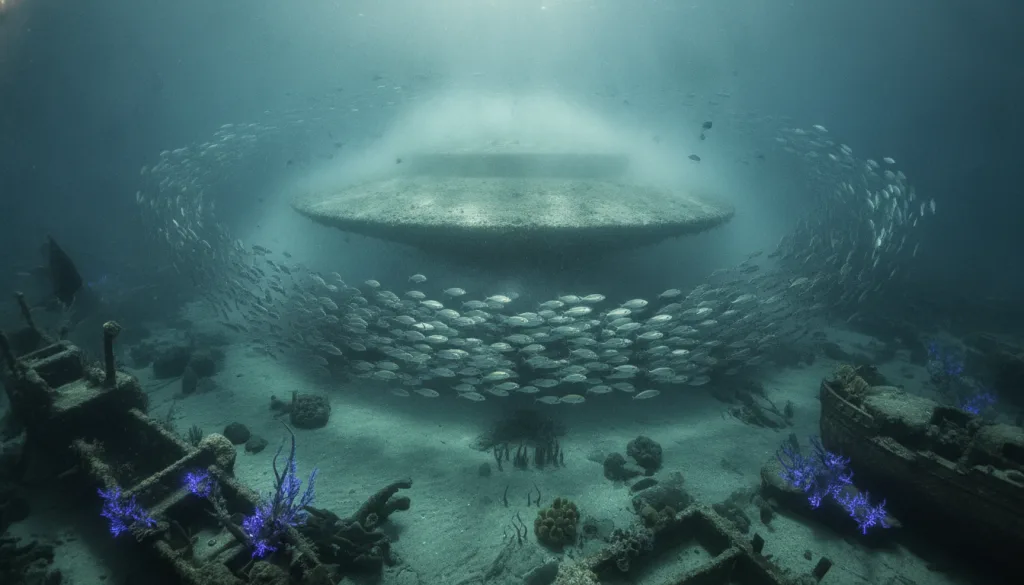
In 2016, an analysis led by analyst and researcher Michael Eden revealed geological features that were inconsistent with natural formations, suggesting they bore similarities to structures found in ancient ruins. These findings gained traction among UFO enthusiasts and conspiracy theorists, further fueling the divide within the scientific community.
Subsequent Expeditions and Findings
Ocean X returned to the site multiple times for further exploration. Their expeditions uncovered more unusual features, such as what appeared to be a series of large, smooth stones and possible “runways” leading away from the central structure. In 2017, Lindberg announced that the team had retrieved samples from the anomaly, which they claimed displayed unusual properties, including significant amounts of bacteria not typically found in other marine environments.

These claims were met with skepticism from various scientists. In 2018, Dr. Thomas B. McCaffrey, an oceanographer at the University of Washington, remarked, “While the discovery is undeniably interesting, claims about extraterrestrial influences or ancient civilizations must be rigorously scrutinized within the framework of established science.”
Media Influence and Pop Culture
The anomaly quickly became a sensation, permeating popular culture and invoking a sense of wonder reminiscent of the golden age of UFO lore in the 1950s and 1960s. Documentaries were produced, articles were published in numerous outlets, and various books explored the implications of the anomaly. It became a modern mythos, alluring for its mystery yet steeped in the ambiguity of scientific inquiry.
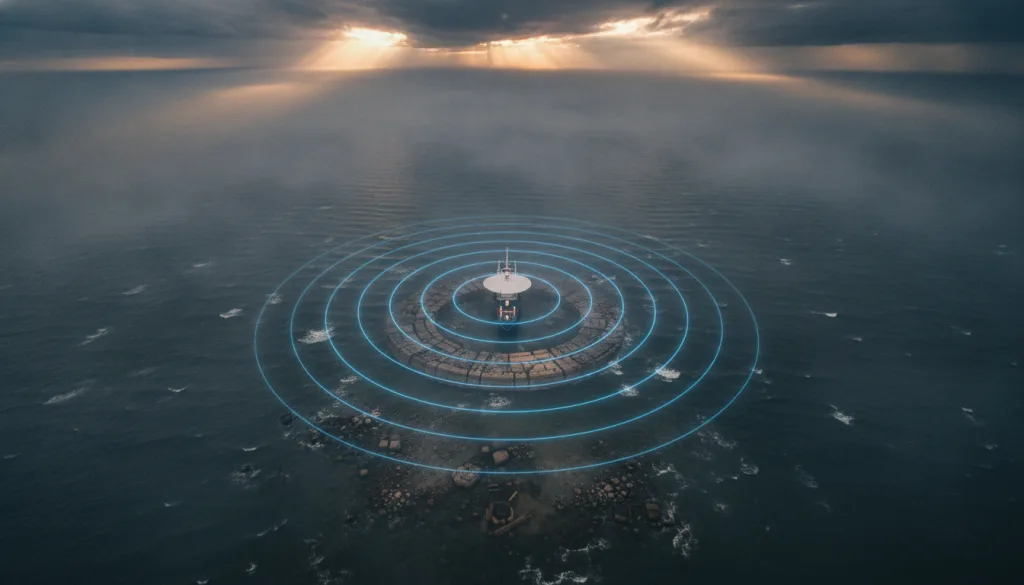
One pivotal moment occurred in 2014 when the phenomenon was featured in the documentary series “The Unexplained Files.” By framing the Baltic Sea anomaly within the context of other unexplained phenomena, the series offered a platform for both skeptics and believers to present their views, further fueling the ongoing debate.
What Lies Beneath
The Baltic Sea anomaly raises profound questions about human understanding of both the natural world and our place within it. As investigations evolve, the conflict between natural and artificial explanations persists. The scientific method thrives on debate, and enduring mysteries such as this encourage a broader inquiry into the unknown.
Enduring Fascination and Future Prospects
In 2021, Ocean X announced plans for new expeditions, which may yield further insights about the anomaly. The potential for new technology to analyze the seabed in greater detail could provide much-needed answers. As technology advances, our ability to discern fact from fiction may finally allow us to understand the true nature of the Baltic Sea anomaly.
Moreover, the broader implications of the anomaly continue to resonate. The very existence of unexplained phenomena in our oceans offers a parallel to the mysteries that have long captivated humanity—secrets submerged beneath the waves, waiting to be uncovered.
Our analysis: Unveiling the Complexities
The evidence strongly indicates that the Baltic Sea anomaly is a significant case study in the interplay between scientific inquiry, popular culture, and human curiosity. While the mainstream scientific community largely supports explanations rooted in geology and natural formations, the allure of the unknown ensures that the anomaly will remain a subject of intrigue. It exemplifies a broader fascination with the unexplained, reminiscent of the excitement surrounding the Roswell incident in 1947 or the Phoenix Lights in 1997. Each mystery sparks discussion and debate, and the Baltic Sea anomaly is no exception.
Sources & References
Weiner, S., "Geological Features of the Baltic Sea Anomaly," 2012, Geological Survey of Sweden.
Eden, M., "The Baltic Sea Anomaly: A Study of Ancient Structures," 2016, Journal of Marine Archaeology.
McCaffrey, T.B., "Investigating Marine Anomalies: A Critical Analysis," 2018, University of Washington Press.
Lindberg, P., "Deep Dive into the Baltic Sea Anomaly," 2017, Ocean X Reports.






Comments 0
Be the first to comment!