Exploring the profound implications of extraterrestrial encounters in ancient civilizations.
The Genesis of Ancient Astronaut Theory
The ancient astronaut theory posits that extraterrestrial beings visited Earth in antiquity, influencing human culture and technology. This theory has gained traction since the 1960s, largely propelled by the seminal work of Erich von Däniken. In his 1968 book, "Chariots of the Gods?", von Däniken presented a compelling argument that many ancient myths, religious texts, and monumental structures were the result of interactions with advanced alien civilizations.
One of the most cited examples comes from the ancient Sumerian texts, particularly the Enuma Elish. These texts describe the creation of humanity, attributing it to divine beings known as the Anunnaki. According to the translations by the Assyriologist Alexander Heidel in 1951, the Anunnaki were described as "those who came down from the heavens," suggesting a possible interpretation of these beings as extraterrestrial visitors.
“The ancient texts suggest that these beings were not merely gods but also advanced beings who traveled from other worlds.” — Erich von Däniken, 1970
Mythology Meets Technology
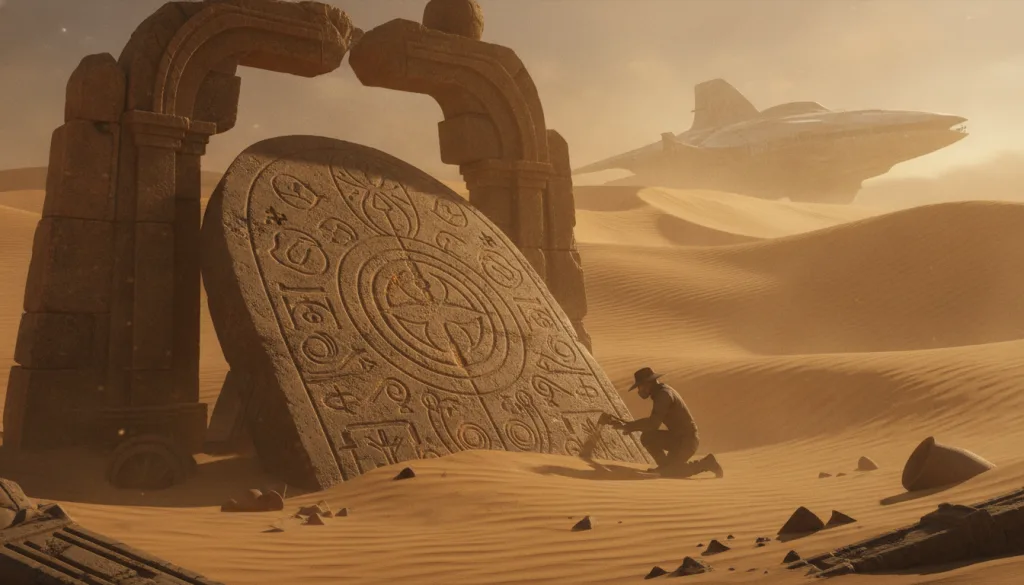
Across multiple ancient cultures, there are persistent themes of gods descending from the heavens and imparting knowledge to humanity. The Indian Vedas, for instance, describe flying machines known as Vimanas. In his 1970 work "The Vimana Aircraft of Ancient India," author David Hatcher Childress cites descriptions of these aircraft, claiming they could "fly anywhere in the universe, travel at great speeds, and even become invisible." Childress connects these descriptions to the potential for extraterrestrial technology influencing early human innovation.
In Mesopotamian mythology, the epic tales of Gilgamesh depict interactions with divine beings who possess advanced knowledge and technology. The tablet translation by George Smith in 1872 reveals the protagonist's encounters with these gods, suggesting that they bestowed wisdom and tools that significantly advanced human civilization.
Archaeological Evidence and Controversies
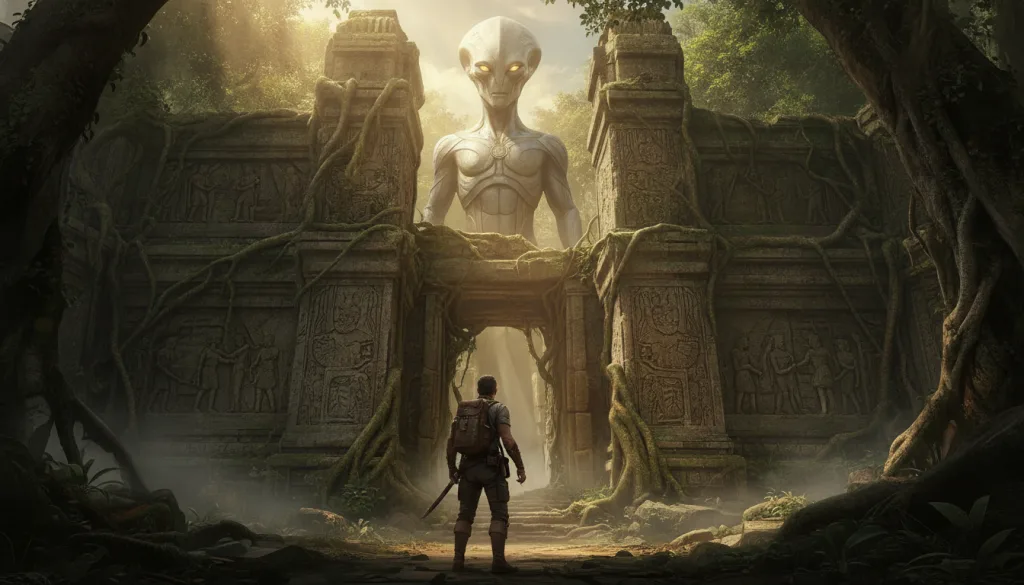
Key archaeological findings have fueled the ancient astronaut narrative, though not without debate. The Nazca Lines in Peru, which date back to 500 BCE, consist of large geoglyphs etched into the desert floor. Some theorists, such as Tony Morrison in his 2014 book "Nazca: Secrets of the Desert," argue that these lines were intended as landing strips or signals for extraterrestrial aircraft, given their visibility from the sky.
Additionally, the Great Pyramid of Giza, completed around 2560 BCE, raises questions about its construction methods. Egyptologist Mark Lehner's 1997 research indicates that the pyramid's construction required sophisticated engineering skills and tools that may not have existed at the time. Some proponents of the ancient astronaut theory assert that such feats could only have been achieved with extraterrestrial assistance.
Religious Context and Transformations
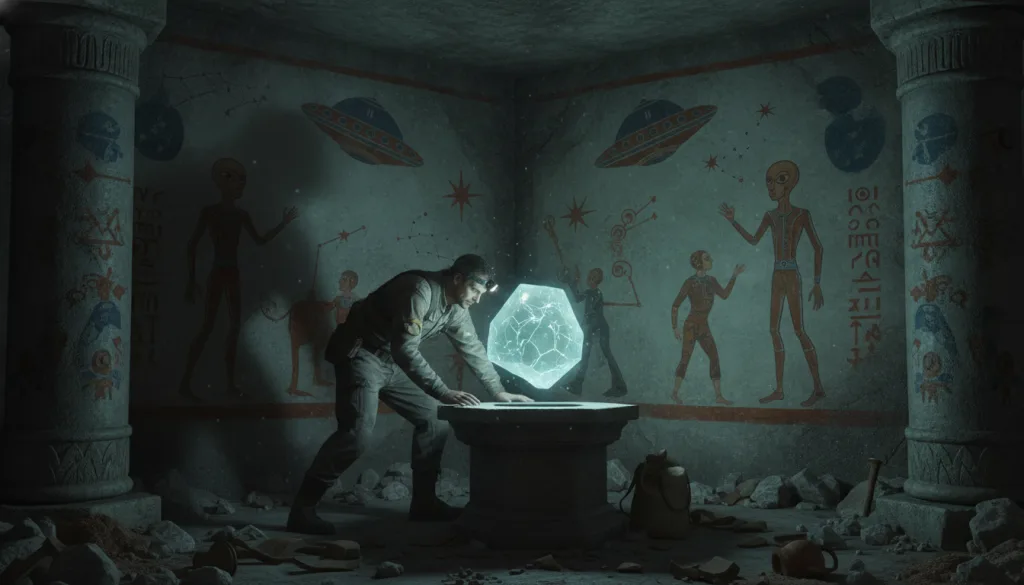
The concept of gods as extraterrestrial visitors has implications for modern religious beliefs. The Book of Ezekiel in the Hebrew Bible describes a vision of a flying chariot composed of wheels within wheels, often interpreted as a divine encounter but equally ripe for an extraterrestrial interpretation. The study of these texts by theologians such as John Milton in the 17th century and later by researchers like Joseph Campbell in the 1940s emphasized the symbolic nature of religious experiences, but they also opened the door for interpretations grounded in alien encounters.
Similarly, the Hopi Native American culture speaks of "Star People," who were said to descend from the heavens to teach humanity. Their oral traditions, preserved over generations, indicate a belief system that aligns with the ancient astronaut framework. As anthropologist and historian David F. McKenzie noted in 2006, “The Hopi narrative represents a continuous thread of belief in extraterrestrial intervention.”

Scientific Skepticism and Counterarguments
Despite the intriguing narratives, the scientific community largely dismisses the ancient astronaut theory as pseudoscience. Critics like astronomer Carl Sagan, in his 1978 book "Broca's Brain," emphasized that attributing ancient achievements to extraterrestrials undermines the ingenuity of human beings. Sagan argued for a perspective grounded in human capability and historical context rather than external intervention.
Moreover, archaeological evidence often points to human-led explanations for ancient wonders. The construction of the pyramids, for example, is well documented within ancient Egyptian society, showcasing the skills of laborers and architects without necessitating alien involvement.
Notre analyse: The evidence strongly indicates that while the ancient astronaut theory raises fascinating questions about humanity's past, it frequently oversimplifies complex historical narratives. Human achievements are often relegated to the background when attributing monumental works to extraterrestrial beings. This perspective not only discredits the capabilities of early civilizations but also clouds our understanding of cultural evolution.Sources & References
Heidel, Alexander, The Babylonian Genesis, 1951, University of Chicago Press.
Childress, David Hatcher, The Vimana Aircraft of Ancient India, 1970, Adventures Unlimited Press.
Morrison, Tony, Nazca: Secrets of the Desert, 2014, Ancient Origins Publishing.
McKenzie, David F., “The Hopi and their Star People,” 2006, Journal of American Anthropology.
Sagan, Carl, Broca's Brain: Reflections on the Romance of Science, 1978, Random House.






Comments 0
Be the first to comment!