A deep dive into the complexities and contradictions of the U.S. government's UFO investigation
The Genesis of Project Blue Book
Project Blue Book was born in the midst of a turbulent era in American history. Launched by the United States Air Force in 1952, this program aimed to systematically investigate reports of unidentified flying objects (UFOs). This initiative followed two earlier projects, Sign and Grudge, which struggled to provide substantial answers to the growing number of UFO sightings across the nation. The U.S. military found itself facing a public frenzy fueled by Cold War paranoia and science fiction's growing popularity. The first official report of Project Blue Book came on January 24, 1952, when the Air Force established its investigative office at Wright-Patterson Air Force Base in Dayton, Ohio, under the leadership of Captain Edward J. Ruppelt.
The Methodology and Findings
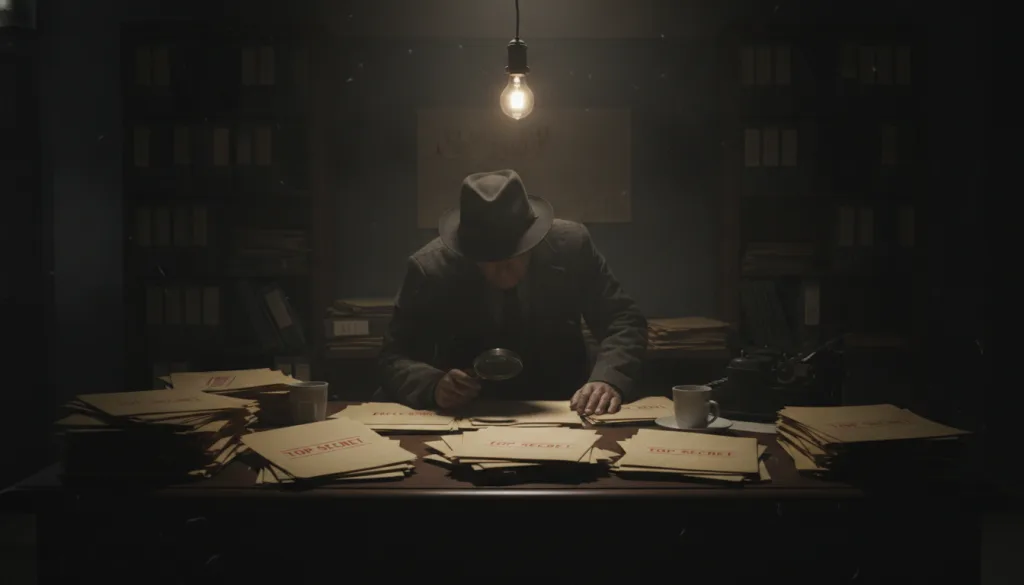
From its inception until its closure in December 1969, Project Blue Book recorded over 12,000 reported UFO sightings. Of these, approximately 701 remained unidentified after thorough investigation. The methods employed by the project were often criticized for lacking rigor and scientific integrity. For instance, Ruppelt himself admitted in his 1956 book, "The Report on Unidentified Flying Objects," that the project didn't utilize a clear scientific approach. This raises the important question: Did the government genuinely seek the truth, or was it merely a façade to placate the anxious public?
The Role of Whistleblowers
Whistleblowers played a significant role in exposing the underbelly of Project Blue Book. One of the most notable figures was Lieutenant Colonel George Filer, who served in the U.S. Air Force and later became a prominent advocate for UFO research. In a 1995 interview, Filer stated, "The evidence is everywhere; it's just that the government doesn't want to acknowledge it." His comments highlight a persistent theme within the UFO community: the belief that the government is intentionally withholding critical information regarding extraterrestrial life.
Dr. J. Allen Hynek and His Transformation
Dr. J. Allen Hynek was initially an astronomer who served as a scientific advisor to Project Blue Book. Initially skeptical, he later became a vocal advocate for serious UFO research. His transformation is encapsulated in his 1972 book "The UFO Experience: A Scientific Inquiry." Hynek's famous classification system, which divided sightings into "Close Encounters of the First, Second, and Third Kind," has since become a cultural touchstone. Hynek's evolving stance on UFOs suggests that the scientific community was not universally dismissive and that there was a genuine quest for understanding.
The Discrepancies in Official Reports
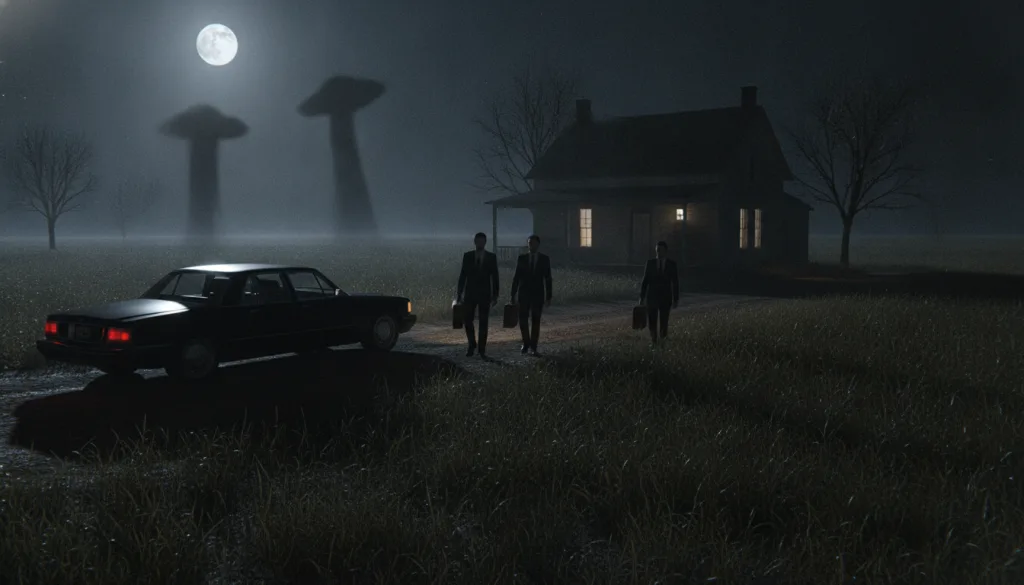
An examination of the reports generated by Project Blue Book reveals significant inconsistencies. For instance, the 1966 incident in Michigan, widely known as the Hillsdale UFO sighting, involved multiple witnesses, including police officers, who reported seeing a strange object in the sky. The Air Force's official explanation downplayed the incident, suggesting it was merely a weather balloon. This lack of credibility eroded public trust and fueled conspiracy theories about governmental cover-ups.
The Condon Report: A Critical Turning Point
In 1968, the University of Colorado, under the direction of Dr. Edward Condon, published the Condon Report, which concluded that UFOs posed no threat to national security and that further study of UFOs was unwarranted. Condon famously stated, "The study of UFOs is not a science, but a form of sociology." This report not only contributed to the project's eventual termination but also highlighted the broader skepticism within the scientific community.
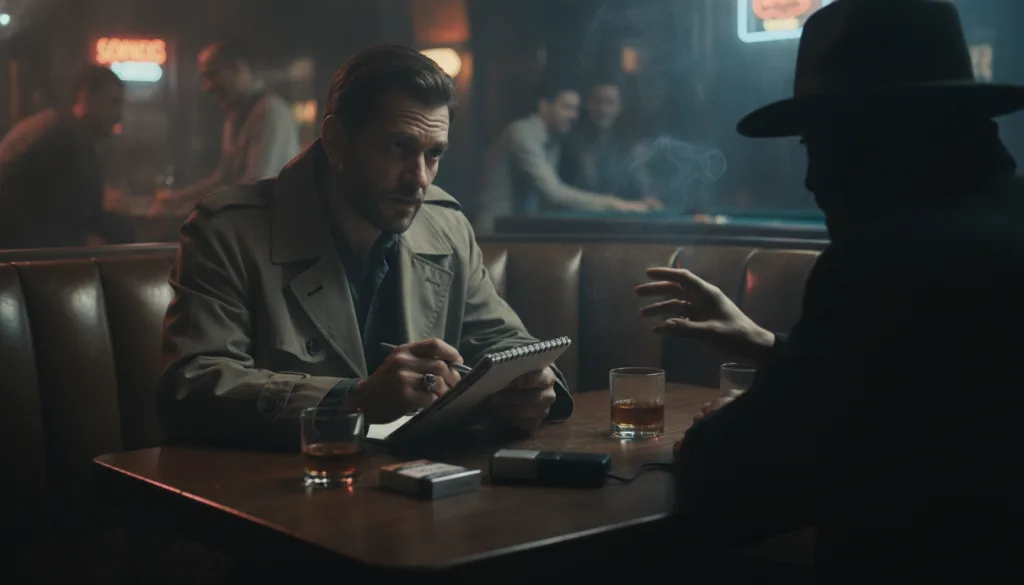
"The Condon Report, while seemingly definitive, is fraught with contradictions. It serves to obfuscate rather than clarify."
— Dr. Bruce Maccabee, 2000
The Aftermath: Closure or Cover-Up?
Project Blue Book was officially terminated in 1969, but questions about its findings linger. The official narrative suggests that the project was closed due to the lack of credible evidence supporting the existence of extraterrestrial life. However, many researchers argue that this conclusion was predetermined. The evidence strongly indicates that the decision to disband Project Blue Book was less about scientific rigor and more about controlling public discourse on UFOs.
The Legacy of Project Blue Book
Even today, Project Blue Book casts a long shadow over the conversation surrounding UFOs. The program's records have been declassified, yet they remain frustratingly ambiguous. The 701 unexplained cases are often cited as evidence of the government's unwillingness to confront the reality of unidentified aerial phenomena. For many, the termination of Project Blue Book symbolizes a missed opportunity to engage in serious scientific inquiry into unexplained phenomena.
Our Analysis:
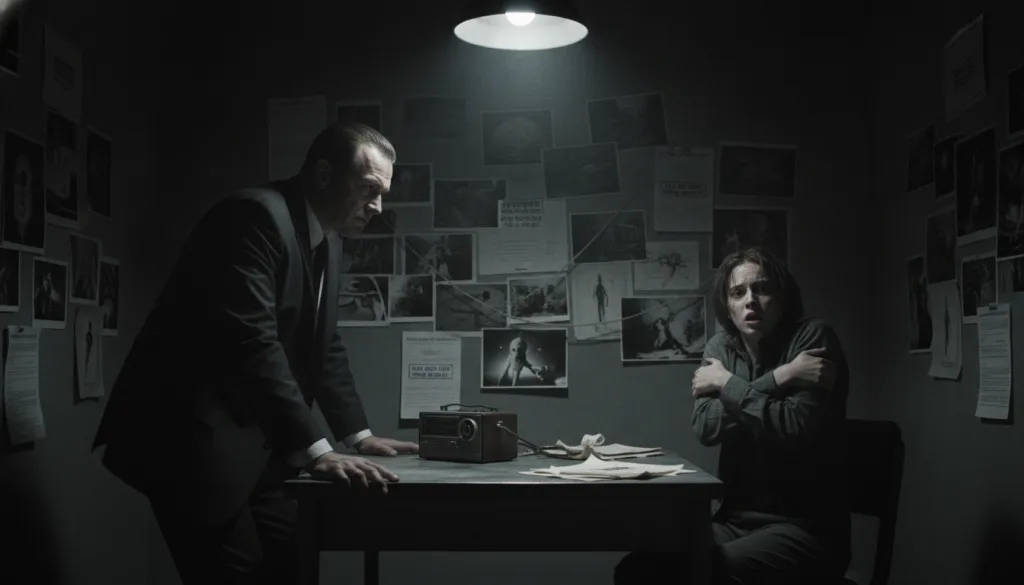
Notre analyse : Project Blue Book's legacy is a testament to the complexity of governmental investigations into UFOs. The lack of scientific rigor, the influence of public perception, and the involvement of whistleblowers underscore the notion that the government has been less than forthcoming about the reality of UFO phenomena. The case of Project Blue Book indicates that the truth may be far more elusive than the official narrative suggests. The unanswered questions continue to resonate with both scientists and the public, fueling a persistent interest in the unknown.
Sources & References
Ruppelt, Edward J., The Report on Unidentified Flying Objects, 1956, Bluebook Press.
Hynek, J. Allen, The UFO Experience: A Scientific Inquiry, 1972, Henry Regnery Company.
Condon, Edward U., Scientific Study of Unidentified Flying Objects, 1968, University of Colorado.
Maccabee, Bruce, The UFO/Flying Saucer Hoax, 2000, New Page Books.
Filer, George, Filer's Files: UFOs and Government Cover-Up, 1995, Filer's Files.






Comments 0
Be the first to comment!