The theory that life on Earth may have extraterrestrial origins has profound implications for our understanding of biology and the cosmos.
The Concept of Panspermia: Historical Roots and Scientific Development
The idea of panspermia—the hypothesis that life exists throughout the universe and is distributed by meteoroids, asteroids, comets, and other celestial bodies—has fascinated scientists and philosophers alike for over a century. The term itself was popularized in the 1860s, but its roots can be traced back even further. Ancient Greek philosophers like Anaxagoras (circa 500-428 BCE) speculated about the existence of seeds of life scattered throughout the cosmos.
In the late 19th century, the Swedish scientist Svante Arrhenius (1859-1927) proposed a more formal theory of panspermia. He suggested that microscopic life forms could survive the harsh conditions of space and travel between planets on meteorites. In his 1903 paper, "Life in the Universe," Arrhenius posited that these life forms could eventually reach a planet such as Earth and germinate there. This concept, though revolutionary at the time, laid the groundwork for modern astrobiology.
“The idea that life could spread across the cosmos through space debris raises profound questions about the origins of life as we know it.”
The Evidence for Extraterrestrial Life: Meteorites and Organic Compounds
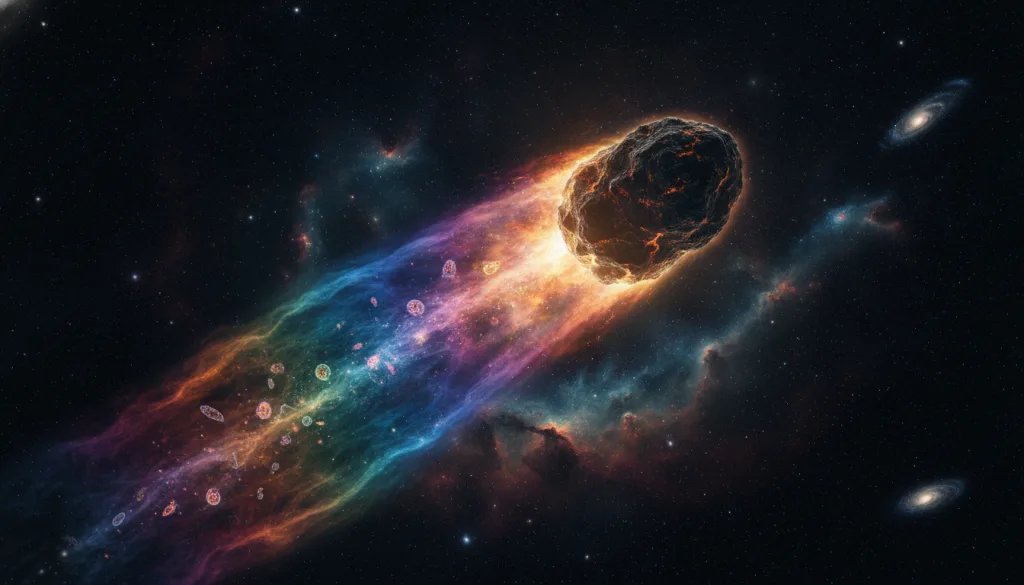
Fast forward to the late 20th and early 21st centuries, and the field of astrobiology has made significant strides in examining the potential for life beyond Earth. The discovery of organic compounds in meteorites has been a pivotal moment in supporting the panspermia theory. Notably, the Murchison meteorite, which fell in Australia in 1969, contained amino acids — the building blocks of proteins necessary for life.
In 2012, a study conducted by a team of researchers led by Dr. Yoshihiro Furukawa at the Tokyo Institute of Technology examined the chemical composition of the Murchison meteorite and concluded that it contained a diverse array of amino acids, including some that are not found on Earth. This discovery further bolstered the possibility that the ingredients for life may have originated in space. The implications of these findings were profound, suggesting that life’s building blocks could be widespread in the universe.
Life on Earth: A Cosmic Accident or a Universal Plan?
One of the more tantalizing aspects of the panspermia theory is its suggestion that life on Earth may not be an isolated incident but rather part of a larger cosmic ecosystem. If life can be seeded from one celestial body to another, then Earth’s complex biosphere may actually be a product of extraterrestrial processes. The implications of this are profound, challenging our understanding of biology and our place in the cosmos.
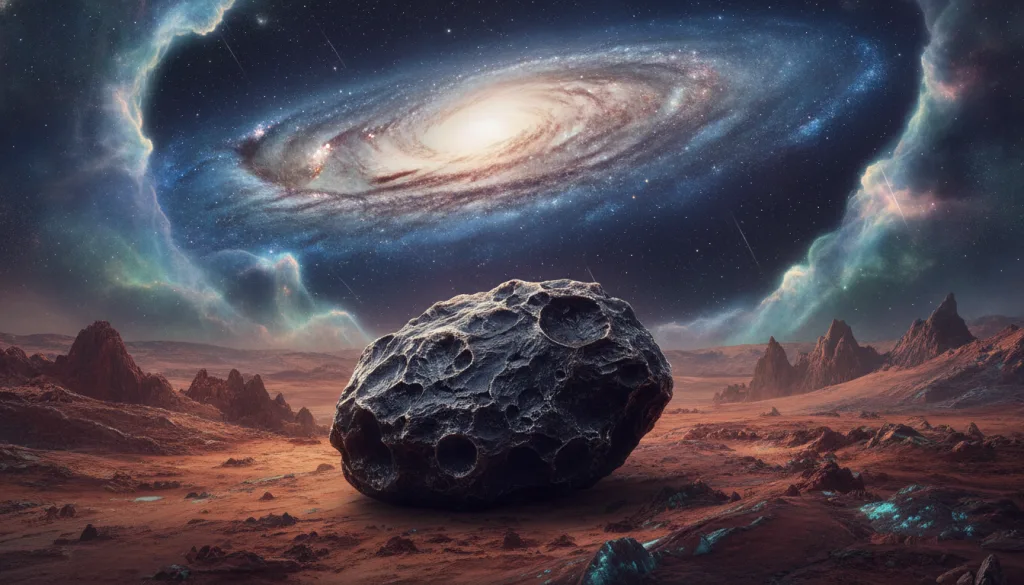
In 2020, a research paper published in *Nature Astronomy* by Dr. Jennifer Eigenbrode and her colleagues provided new insights into the potential for life’s building blocks to exist on other celestial bodies, including Mars. By analyzing data from the Curiosity rover, Eigenbrode's team found organic molecules that could potentially indicate past life or prebiotic chemistry on Mars. This evidence raises the question: if life existed on Mars, could it have been transported to Earth, or vice versa?
“Our findings provide the best evidence to date that organic molecules can form on Mars, bolstering the hypothesis that life could have come to Earth from other planets.”
Challenging the Paradigm: Criticism and Counterarguments
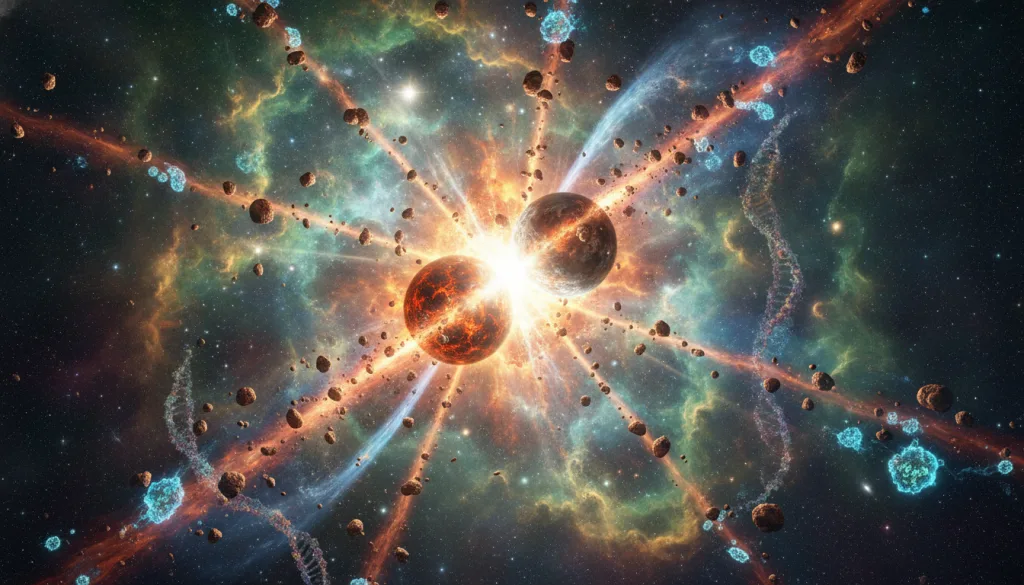
Despite the growing body of evidence supporting panspermia, the theory is not without its critics. Some scientists argue that panspermia merely pushes the question of life’s origin one step further back, rather than providing a definitive answer. Critics like Dr. Stephen Jay Gould have pointed out that while panspermia is an intriguing hypothesis, it does not explain how life originated in the first place. The obstacles that life must overcome to survive interstellar travel, including radiation exposure and extreme temperatures, further complicate the theory.
Moreover, recent research indicates that the chances of life surviving the harsh conditions of space are minimal. A 2021 study by Dr. S. K. V. P. K. Kottmeier published in *Scientific Reports* suggests that while some microbial life can survive in space, the majority would likely perish during transit. This research emphasizes the need for a more nuanced understanding of the conditions required for life to survive and thrive in the universe.
Case Studies: Meteorites and Potential Life Forms
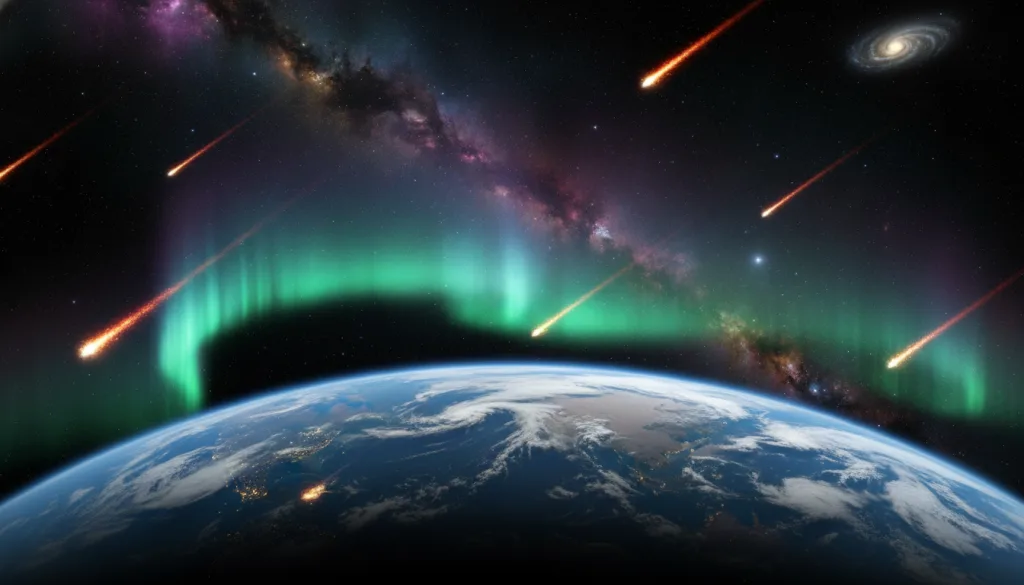
Several meteorites have attracted significant attention in the discourse surrounding panspermia, particularly the Allende meteorite, which fell in Mexico in 1969. This meteorite contained identifiable organic compounds and has been extensively studied for clues about the origins of life. Researchers found that the Allende meteorite contained complex carbon compounds that could serve as the precursors to amino acids.
Furthermore, the implications of these findings extend beyond Earth. In 2018, scientists reported the discovery of organic molecules on the surface of 67P/Churyumov-Gerasimenko, a comet explored by the Rosetta mission. The organic compounds detected suggest that comets may also have played a critical role in delivering life’s building blocks to planets in our solar system.
The Role of Extremophiles in Supporting Panspermia
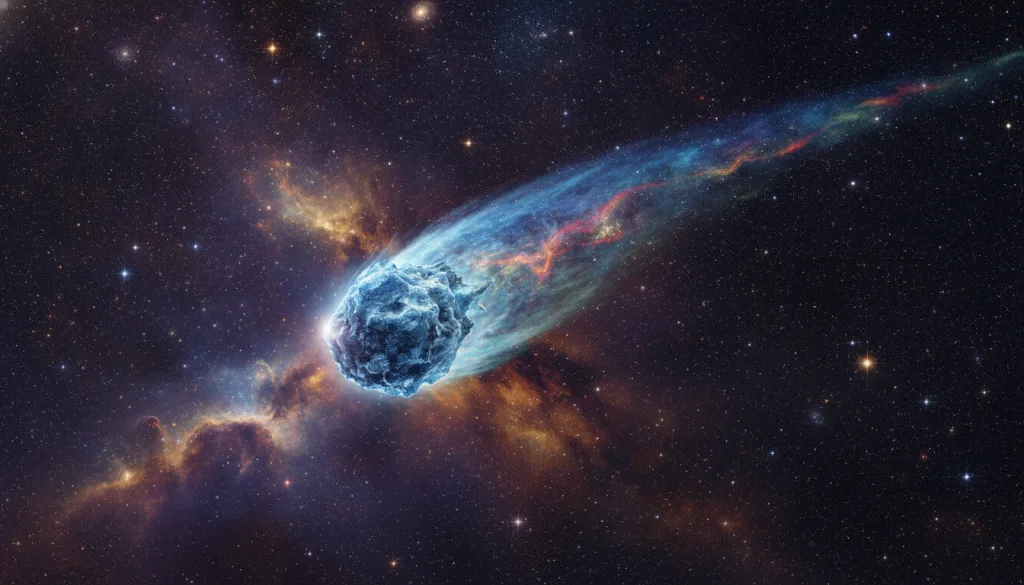
Extremophiles—microorganisms that thrive in extreme conditions—have emerged as significant players in the panspermia narrative. Studies have shown that certain extremophiles can survive extreme temperatures, radiation, and even the vacuum of space. The work of Dr. Chris McKay at NASA’s Ames Research Center has been crucial in understanding how organisms like tardigrades can endure the harsh conditions of outer space.
In 2019, a team led by McKay published a study demonstrating that some tardigrade species could survive exposure to space for extended periods. These findings suggest that if life exists elsewhere in the universe, it may share similar resilience and adaptability as extremophiles found on Earth.
“The resilience of extremophiles highlights the potential for life not only to exist elsewhere but to travel between cosmic bodies.”
Astrobiology: The Next Frontier in Understanding Life's Origins
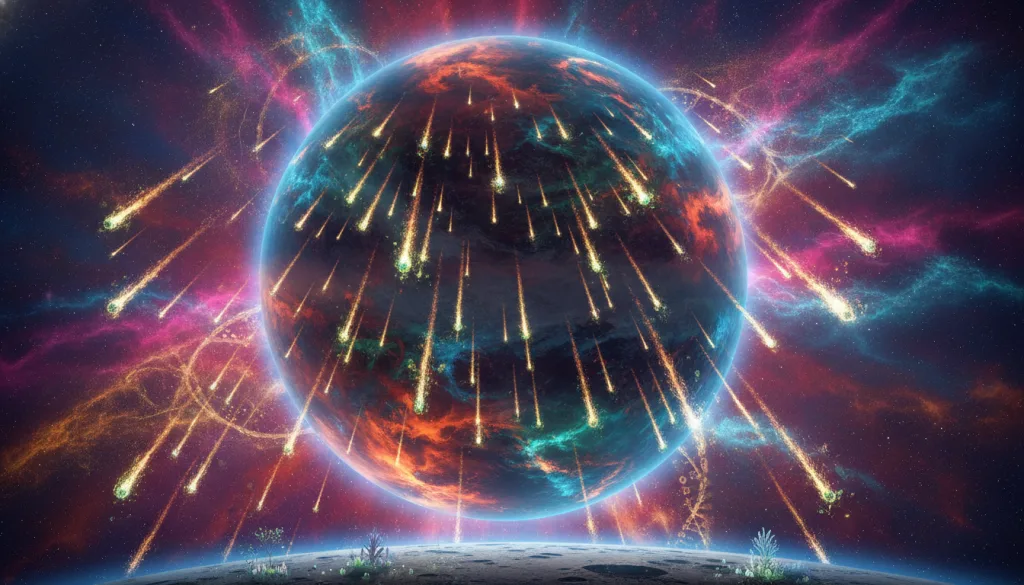
The field of astrobiology has expanded dramatically over the past few decades, giving rise to a plethora of research initiatives focused on the possibility of life beyond Earth. The European Space Agency’s ExoMars program, for instance, aims to explore Martian soil for biosignatures while assessing the planet’s habitability.
In addition, the study of exoplanets—planets outside our solar system—has accelerated thanks to missions like Kepler, which has identified thousands of such worlds. Researchers continue to investigate whether these exoplanets may host conditions conducive to life. The implication of panspermia is thus woven into the very fabric of astrobiological research; if life can travel across the cosmos, then the study of distant worlds is all the more critical for understanding our own origins.
Future Directions: What Lies Ahead for Panspermia Research
As research continues to evolve, the intersection of panspermia with genetics, planetary science, and cosmic chemistry will likely yield new insights into the origins of life. The development of space missions aimed at returning samples from Mars, moons of Jupiter and Saturn, and asteroids will provide unprecedented opportunities to test panspermia hypotheses directly.
In conclusion, the evidence strongly indicates that panspermia offers a plausible explanation for the origins of life on Earth. The presence of organic compounds in meteorites, combined with the resilience of extremophiles, suggests that life may indeed have an extraterrestrial provenance. As our understanding of the universe expands, so too will our comprehension of our own biological heritage.
Notre analyse : Panspermia is no longer an abstract hypothesis; it is an avenue paved with growing empirical data. The evidence we have today makes it increasingly difficult to dismiss this theory as mere speculation. The search for life beyond our planet may not just be about scientific inquiry, but also an exploration of our collective identity in the cosmos.
Sources & References
Arrhenius, Svante, "Life in the Universe," 1903, Philosophical Magazine.
Eigenbrode, Jennifer, et al., "Organic Molecules in the Martian Surface," 2020, Nature Astronomy.
Furukawa, Yoshihiro, et al., "Amino Acids in the Murchison Meteorite," 2012, Tokyo Institute of Technology.
Kottmeier, S. K. V. P. K. K., "Microbial Survivability in Space," 2021, Scientific Reports.
McKay, Chris, et al., "Survival of Tardigrades in Space," 2019, NASA Ames Research Center.

Comments 0
Be the first to comment!