Unearthing the mysteries that defy historical timelines and conventional narratives.
The Enigmatic Antikythera Mechanism
Discovered in a shipwreck off the coast of the Greek island Antikythera in 1901, the Antikythera Mechanism has perplexed scholars and enthusiasts alike. This ancient device, often hailed as the first analog computer, dates back to around 150-100 BCE. But how was such advanced technology possible at a time when humanity was still grappling with the rudiments of mathematics and astronomy? Could it be that our understanding of ancient civilizations is fundamentally flawed?
The device consists of a complex system of gears and dials, capable of predicting astronomical positions and eclipses for decades into the future. Yet, as researchers delve deeper into its mechanics, they are left with more questions than answers. What knowledge did its creators possess that has been lost to time? Was there an ancient civilization that harbored advanced scientific understanding, long before the Renaissance? Or is it merely a remarkable fluke, an outlier in the annals of human invention?
The Pyramids of Egypt: More Than Meets the Eye?
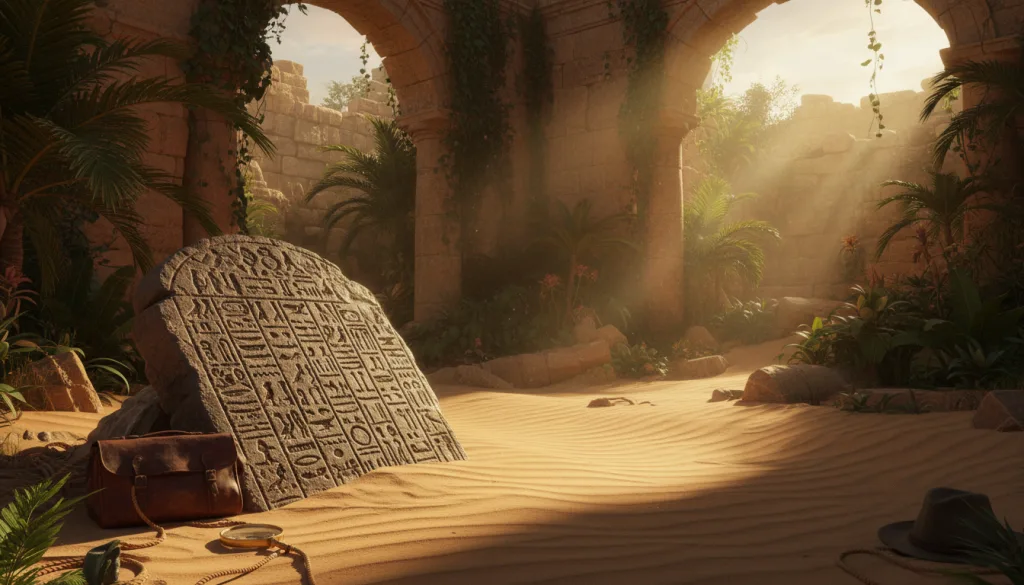
The Great Pyramids of Giza stand as monumental testaments to the capabilities of ancient Egyptian civilization. Yet, their construction remains shrouded in mystery. How were these colossal structures built with such precision, and what technologies did the builders have at their disposal? The notion that a society lacking modern machinery could achieve such feats invites incredulity. Did they possess knowledge that has since been lost? Or was there an extraterrestrial influence at play, inciting debates that often spiral into realms of conjecture?
Some researchers propose that the pyramids serve as astronomical observatories, aligned with the stars in ways that suggest a sophisticated understanding of celestial navigation. Could it be that the pyramids once housed secrets of advanced technologies that remain hidden from contemporary understanding? What if the pyramids are not just tombs, but portals to knowledge that could transform our grasp of human history?
The Ica Stones: Ancient Maps or Elaborate Hoaxes?
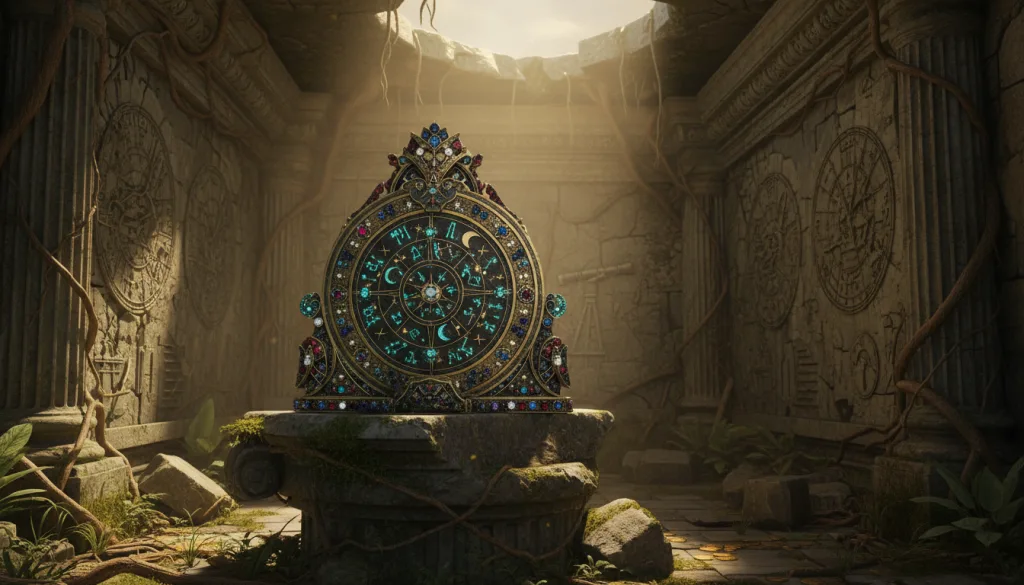
Deep within the Peruvian desert, the Ica Stones present a fascinating puzzle. These enigmatic artifacts, adorned with intricate carvings of dinosaurs co-existing with humans, defy the conventional timeline of prehistoric life. If genuine, what implications would their existence have on our understanding of evolution and human history? Are they tangible evidence of a lost civilization that possessed knowledge far beyond our current comprehension?
Critics argue that the stones are mere forgeries, products of a modern hoax. Yet, could it be that this skepticism is rooted in a reluctance to challenge established narratives? If these artifacts are authentic, what does it mean for the historical timelines we have accepted as truth? Are we willing to dismiss the possibility that ancient cultures may have had experiences and technologies that transcend our current paradigms?
The Baghdad Battery: An Ancient Power Source?
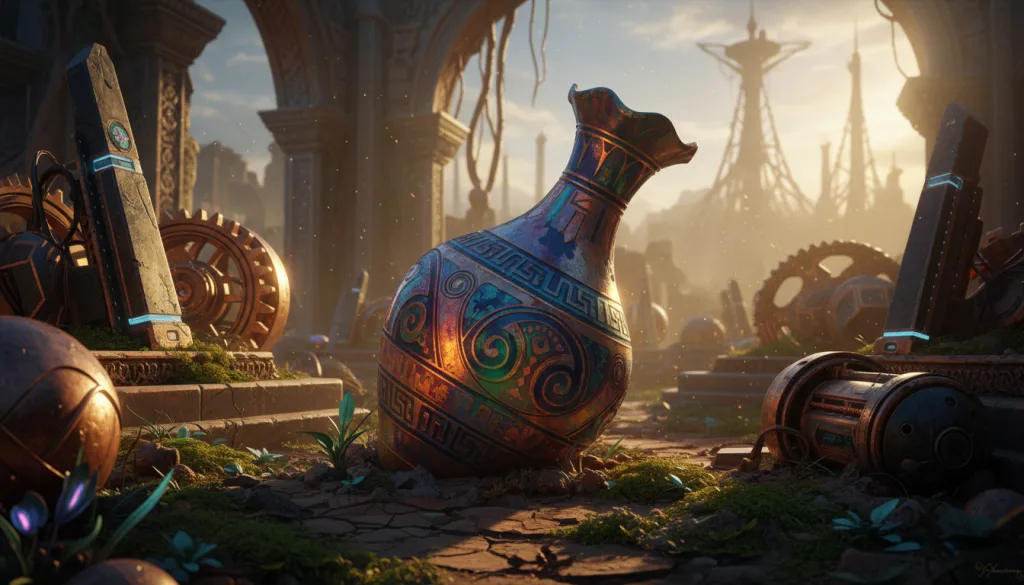
Discovered in the vicinity of Baghdad, Iraq, the so-called Baghdad Battery, or Parthian Battery, dates back to approximately 250 BCE. This clay jar, containing a copper cylinder and an iron rod, has led some to speculate that it functioned as a galvanic cell, essentially serving as a primitive battery. But if such a device existed, what does that reveal about the technological capabilities of ancient peoples? Did they harness electricity long before Benjamin Franklin's famous kite experiment?
While mainstream historians have largely dismissed the idea that the Baghdad Battery was used for electroplating or other electrical applications, the tantalizing possibility remains. If they did indeed understand the principles of electricity, what knowledge have we lost? Are there ancient manuscripts or teachings that could shed light on this hidden technological history, or are we merely left to wonder about the untapped potential that lay within the minds of our ancestors?
The Nazca Lines: Messages from the Ancients?
Sprawled across the arid plains of southern Peru, the Nazca Lines present a perplexing set of geoglyphs that can only be fully appreciated from the sky. These enormous designs, ranging from simple lines to intricate animals, have left researchers and archaeologists grappling with their purpose. Were they ancient astronomical calendars, religious symbols, or perhaps messages intended for the gods above? What insights might they provide about the people who created them?
The sheer scale and precision of the Nazca Lines raise questions about the capabilities of the Nazca civilization. Did they possess aerial technology or advanced surveying techniques that have since been forgotten? Or were they simply more in tune with their environment than we are today, crafting designs that held significance beyond our understanding? As we continue to probe the mysteries of the Nazca Lines, are we prepared to confront the possibility that their creators held knowledge we can scarcely fathom?
The Crystal Skulls: Relics of Ancient Wisdom?
Among the most fantastical of out-of-place artifacts, the crystal skulls have captivated the imagination of many. Crafted from solid quartz crystal, these skulls have been attributed various supernatural powers and are often linked to ancient Mesoamerican cultures. But what if these skulls are more than mere curiosities? What if they were part of an ancient technology or communication system that has been lost to time?
Some proponents of the crystal skulls posit that they could serve as conduits of ancient wisdom or possess the capability to transmit energy. Skeptics, however, argue that they are modern creations, mere products of 19th-century artisans. Yet, what if the truth lies somewhere in between? Could these skulls represent a synthesis of ancient knowledge and modern invention, a bridge between our understanding and the esoteric wisdom of the past?
Conclusion: What Lies Beneath the Surface?
The allure of out-of-place artifacts lies not merely in the objects themselves, but in the questions they provoke. Each discovery challenges our understanding of history and forces us to confront the limits of our knowledge. As we examine these ancient remnants, we must ask ourselves: Are we prepared to engage with the unknown, to entertain the possibility that our historical narrative is far richer and more complex than we've been led to believe?
What if the answers to our questions about these artifacts lie not in their physical forms, but in the realms of possibility, speculation, and imagination? Could it be that by re-evaluating our historical frameworks, we might stumble upon truths that have been buried—waiting for the right minds to uncover them? The journey into the enigmatic world of ancient artifacts is one of exploration, curiosity, and a relentless quest for knowledge. What secrets might still be hidden beneath the sands of time, waiting for us to unlock their mysteries?





Comments 0
Be the first to comment!