A critical examination of media manipulation in shaping public perception of extraterrestrial phenomena.
The Origins of UFO Discourse in Media
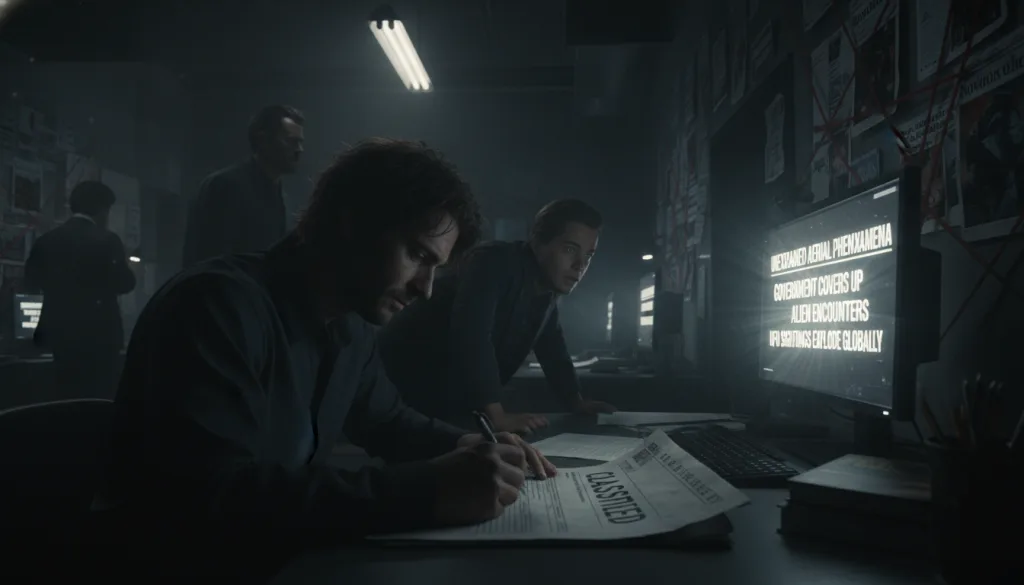
The relationship between media and the UFO phenomenon dates back to the late 1940s, a pivotal time when public interest in unidentified flying objects surged. The term "flying saucer" was coined after pilot Kenneth Arnold reported seeing nine unusual objects near Mount Rainier, Washington, on June 24, 1947. This event triggered a media frenzy, with major newspapers such as The New York Times and The Washington Post dedicating front-page stories to Arnold's claims.
Media's Initial Response
In the immediate aftermath of Arnold's sighting, journalists played a crucial role in shaping the narrative. The press portrayed UFOs as a genuine mystery, tapping into post-war anxieties about technology and national security. Historian David Clarke, in his 2010 book "The UFO Files," emphasizes how newspapers embraced sensationalism, leading to a "flying saucer epidemic" across the nation. This media-driven hype established a foundation for how the public would perceive UFOs for decades to come.
The Role of Government in Shaping Media Narratives
The U.S. government has historically influenced media narratives surrounding UFOs through various channels, including classified programs and public relations strategies. One notable example is Project Blue Book, initiated by the Air Force in 1952. The project aimed to investigate UFO sightings and assess their implications for national security.
Project Blue Book and Media Control
Over its 17-year run, Project Blue Book examined more than 12,000 sightings, yet only a small percentage were deemed unexplained. The Air Force actively engaged with the media, often providing explanations that downplayed the significance of unidentified sightings. According to the 1966 University of Michigan study led by physicist J. Allen Hynek, this strategy was effective in reducing public interest in UFOs, as the media often presented the government's findings as authoritative.
In 1974, Hynek's "Close Encounter" classification system, which categorized sightings, further entrenched the skepticism surrounding UFO phenomena. In 1975, he founded the Center for UFO Studies, advocating for scientific scrutiny of the phenomenon. Despite his efforts, the narratives perpetuated by media outlets, in alignment with government positions, often left little room for serious investigation.

Whistleblowers and the Media's Complicity
Whistleblowers have emerged as key figures in challenging official narratives about UFOs. In 1989, Bob Lazar claimed to have worked on reverse engineering extraterrestrial technology at a site near Area 51 in Nevada. His revelations ignited a significant media interest, particularly within the ufology community, although mainstream outlets were initially reticent to cover such claims.
The Media's Dismissal of Whistleblower Claims
Mainstream journalists often dismissed Lazar's story, focusing on his criminal past and questioning his credibility. Journalist George Knapp, who has reported extensively on Lazar, asserts that the media's skepticism reflected a broader reluctance to address the possibility of extraterrestrial life. A 1993 article in the Las Vegas Mercury highlighted how Lazar's claims diverged from the conventional narratives presented by the government and mainstream media.
As UFO reports gained traction in the 1990s and into the 2000s, whistleblower accounts became increasingly sensationalized. The press’s focus on outlandish claims, rather than substantive evidence, contributed to a perception of UFOs as a fringe topic. This framing served to reinforce government narratives that portrayed UFO enthusiasts as conspiracy theorists lacking credibility.

Media Coverage After 9/11: A Shift in Focus
Following the September 11 attacks in 2001, the media landscape shifted dramatically. National security concerns dominated public discourse, and the government tightened its grip on information dissemination. In this environment, UFOs became a lesser priority, often dismissed as unworthy of serious investigation.
The Pentagon's Rebranding of UFOs
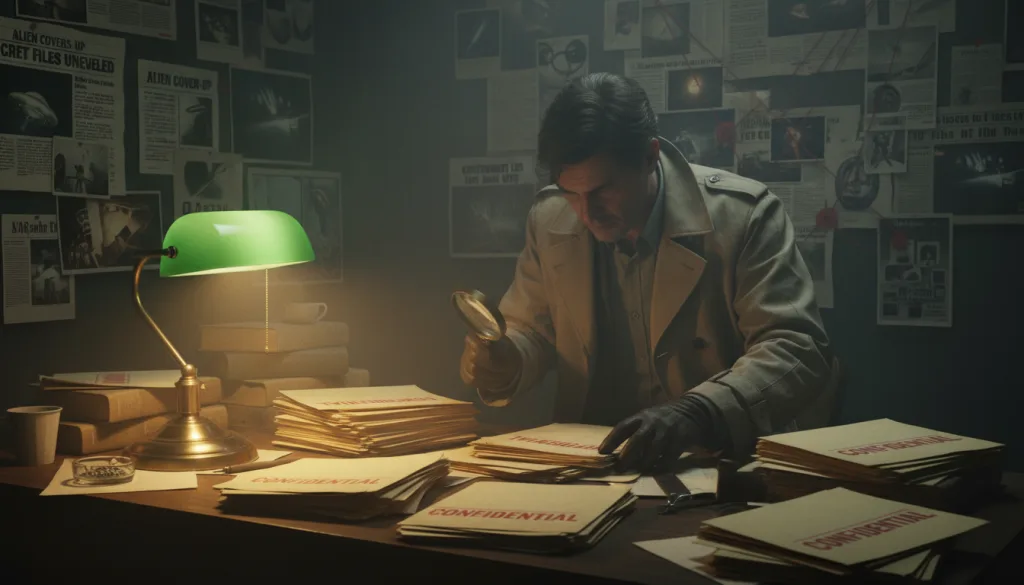
However, a remarkable turn occurred in December 2017 when The New York Times published an article revealing the Pentagon's Advanced Aerospace Threat Identification Program (AATIP). This program had been examining unexplained aerial phenomena since 2007, and the media's response marked a critical turning point. The report, written by journalists Leslie Kean, Ralph Blumenthal, and Helene Cooper, reignited public interest in the UFO phenomenon.
The 2017 article sparked a widespread reconsideration of UFO narratives, prompting numerous media outlets to reevaluate their previous stances. Public figures, including former Senate Majority Leader Harry Reid, publicly supported transparency regarding UFO investigations. Reid's involvement is noteworthy; he advocated for governmental acknowledgment of AATIP's findings, asserting that the public deserved to know more about potential threats posed by unidentified aerial phenomena.
Changing Media Dynamics in the 21st Century
As social media platforms proliferated, the dynamics of information dissemination evolved. Independent content creators gained traction, offering alternative narratives that challenged traditional media gatekeeping. The rise of platforms like YouTube and podcasts allowed voices such as filmmaker Jeremy Corbell to present their interpretations of UFO phenomena. Corbell's 2018 documentary "Bob Lazar: Area 51 & Flying Saucers" drew significant attention and helped reframe public discourse.
Impact of Alternative Media on Public Perception
In 2020, reports began circulating regarding Navy pilots encountering unidentified aerial phenomena. The emergence of videos, such as the "Tic Tac" incident from 2004, garnered widespread viral attention. Social media users and independent researchers swiftly analyzed the footage, contributing their perspectives to the evolving narrative.
However, as media scholar Dr. M. Davidow pointed out in a 2021 study published in the Journal of Communication, this democratization of information also poses challenges. Misinformation can spread rapidly, creating confusion and leading to a fractured understanding of UFO phenomena. The media narratives constructed by both traditional and alternative outlets can influence public perception, yet competing claims can obscure the truth.
Government Responses and Media Relations
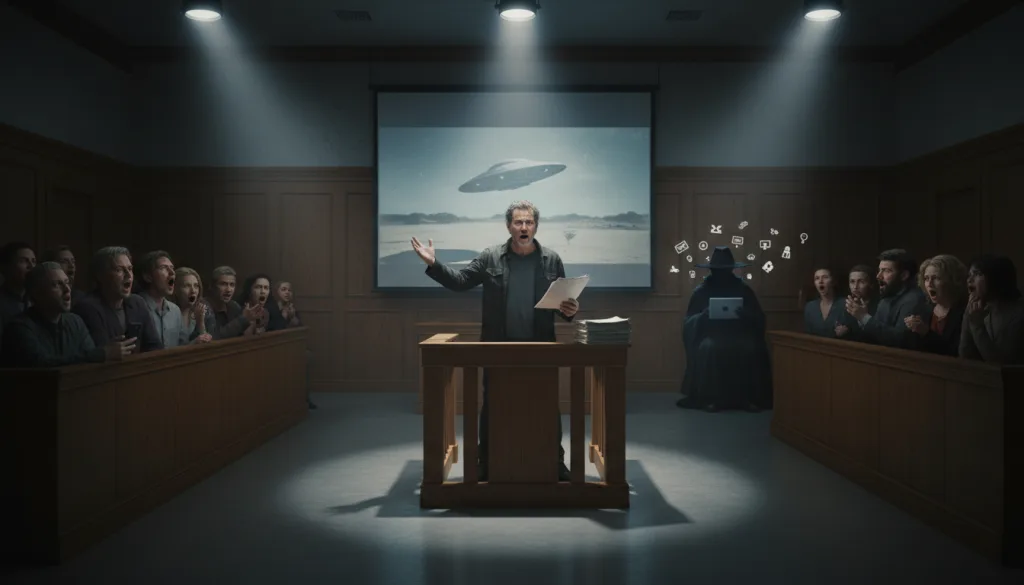
In response to the renewed public interest in UFOs, the U.S. government has taken steps to manage the narrative. In June 2021, the Office of the Director of National Intelligence (ODNI) released a report summarizing investigations into aerial phenomena. The report acknowledged 144 sightings by government personnel but concluded that most remained unexplained.
Strategizing Public Relations
Government spokespersons, including Pentagon spokesperson John Kirby, have emphasized that many of the phenomena remain unexplained, yet they also downplay concerns about extraterrestrial origins. As Kirby stated during a press briefing in July 2021, "We don’t want to jump to conclusions." This cautious approach serves to mitigate public panic while allowing the government to maintain control over the narrative.
Furthermore, the government has begun engaging with the media to encourage responsible reporting on UFO phenomena. In a 2022 interview with CBS News, former Deputy Secretary of Defense for Intelligence and Security, Ronald Moultrie, stated, "We want to make sure that we have a conversation with the public, so they know we are taking it seriously." Such statements reflect an awareness of the media's power to shape narratives and a strategic effort to align with public curiosity while managing expectations.
The Future of UFO Discourse in Media
As the landscape of media continues to evolve, the UFO narrative will likely remain a complex interplay between governmental influence, media framing, and public interest. The rise of citizen journalism and independent researchers provides opportunities for alternative narratives to emerge. However, the responsibility to sift through claims and counterclaims falls on the audience.
Media Literacy and Critical Thinking
One of the most pressing issues in contemporary media is the need for media literacy. As noted by Dr. David McCraw, a legal expert on media ethics, in his 2020 article for the Harvard Law Review, understanding how media operates is essential for discerning between credible information and sensationalist claims. The UFO phenomenon, with its myriad of narratives, exemplifies the need for critical thinking in evaluating sources and claims.
As new sightings and reports emerge, the media will play an essential role in shaping public perceptions of UFOs. The challenge lies in balancing sensationalism with responsible reporting, especially as the government continues to navigate its relationship with the public regarding unidentified aerial phenomena.
Conclusion: An Ongoing Battle for Truth
The intersection of media and the UFO narrative represents a battleground for truth, manipulation, and public perception. Historically, media has shaped the discourse surrounding UFOs through sensationalism, government influence, and the dismissal of credible testimonies. Emerging from this landscape are voices that challenge traditional narratives, yet the proliferation of misinformation complicates the quest for the truth.
As the U.S. government takes steps to address public interest in UFOs, the media's role will remain crucial. The responsibility lies not only with journalists but also with the public to critically evaluate the information presented. An informed audience is vital for fostering a more nuanced understanding of the complexities surrounding unidentified aerial phenomena and the narratives constructed around them.





Comments 0
Be the first to comment!