The Truth Behind America's Most Infamous Secret Locations
The Enigma of Hangar 18
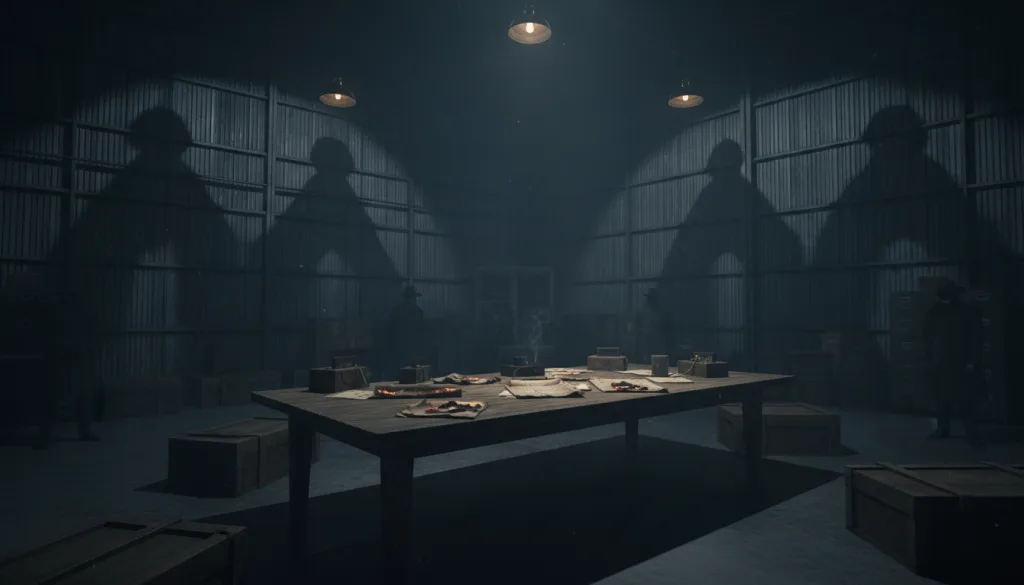
In the annals of conspiracy theories, few locations evoke as much intrigue as Hangar 18, purportedly located at Wright-Patterson Air Force Base in Ohio. This site has been whispered about for decades, its name synonymous with government secrecy and alleged extraterrestrial technology. Eyewitness accounts from whistleblowers and former military personnel assert that Hangar 18 was the repository for alien spacecraft and their occupants, recovered from various crash sites, including the infamous Roswell incident in 1947.
The existence of Hangar 18 was initially brought to public attention by former USAF officer and UFO researcher, Philip J. Corso. In his book, "The Day After Roswell," Corso claimed that he played a direct role in the reverse engineering of alien technology, which he stated was housed within the walls of Hangar 18. Corso's assertions, while sensational, ignited a firestorm of speculation about what the government might be hiding in these seemingly innocuous structures.
Reports indicate that within Hangar 18, the United States military has studied various unidentified flying objects (UFOs) and alien technologies. Could it be that these materials have lain untouched, or have efforts to harness and replicate them been underway in secret? The truth remains elusive, shrouded in layers of classified files and official denials.
Area 51: The Pinnacle of Secrecy
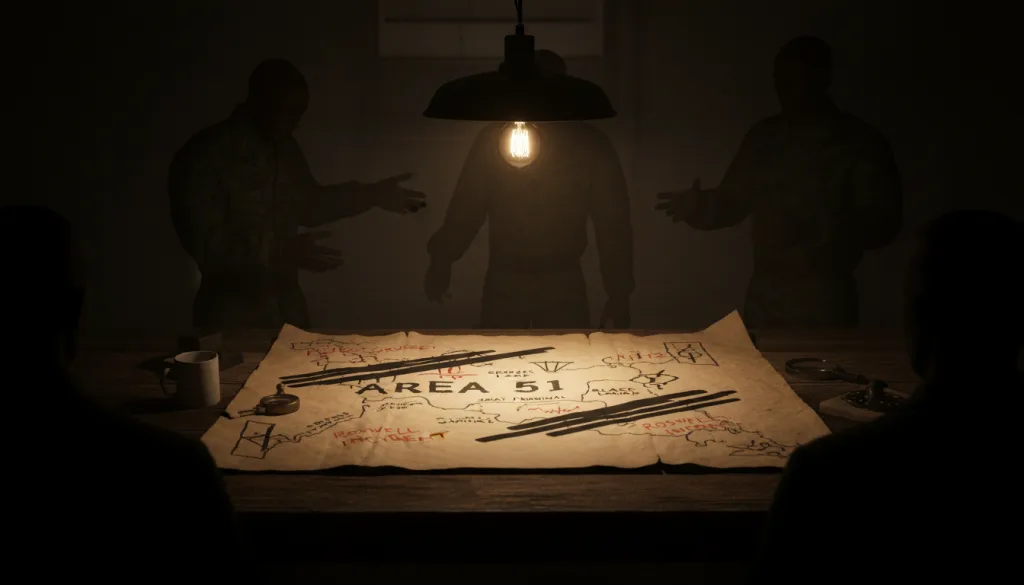
While Hangar 18 garners much attention, no discussion of military secrecy is complete without mentioning Area 51. Nestled in the Nevada desert, this top-secret Air Force base has become a focal point for UFO enthusiasts and conspiracy theorists alike. Officially known as Groom Lake, Area 51 has been the subject of speculation since the 1950s, when it was reportedly used for the testing of experimental aircraft like the U-2 and the SR-71 Blackbird.
The secrecy surrounding Area 51 has only fueled the fire of speculation. Declassified documents reveal that the area has been used for advanced military testing, yet many are convinced that the site is a breeding ground for extraterrestrial technology. Witnesses claim to have seen strange aircraft that defy conventional aerodynamics, leading to theories that the U.S. government is reverse-engineering alien crafts, much like Corso alleged about Hangar 18.
In 1989, a man named Bob Lazar came forward, claiming to have worked on back-engineering extraterrestrial technology at a site near Area 51. His testimony ignited a media frenzy, and Lazar's claims have catalyzed discussions about the military's possible involvement with otherworldly beings. He described flying saucers powered by a reactor utilizing Element 115, a substance that had yet to be identified in the scientific community at that time. Could Lazar’s assertions hold a kernel of truth that reveals a greater conspiracy?
Whistleblowers and Classified Programs
Amidst the swirling tides of conjecture and disbelief, whistleblowers have emerged from within the military ranks, claiming to possess firsthand knowledge of the secretive practices at Hangar 18 and Area 51. These individuals, often risking their careers and safety, have taken the brave step of exposing what they allege to be government cover-ups.
One notable whistleblower, former military officer and aerospace engineer Robert Salas, publicly shared his experience regarding a 1967 incident involving UFOs at Malmstrom Air Force Base. Salas claims that unidentified objects incapacitated nuclear missiles, prompting alarm among military officials. This incident, along with others, points to a potential extraterrestrial interest in human nuclear capabilities. Are these claims related to the secrets hidden within Hangar 18 and Area 51?
Moreover, the Freedom of Information Act (FOIA) has revealed a trove of classified files that, while often heavily redacted, hint at ongoing investigations into UFO phenomena. Whistleblowers like Salas and Lazar form a critical part of a patchwork of narratives that suggest that the U.S. government is not only aware of unidentified aerial phenomena but has actively engaged with them in ways that the public has yet to fully comprehend.
Reverse Engineering: The Quest for Knowledge
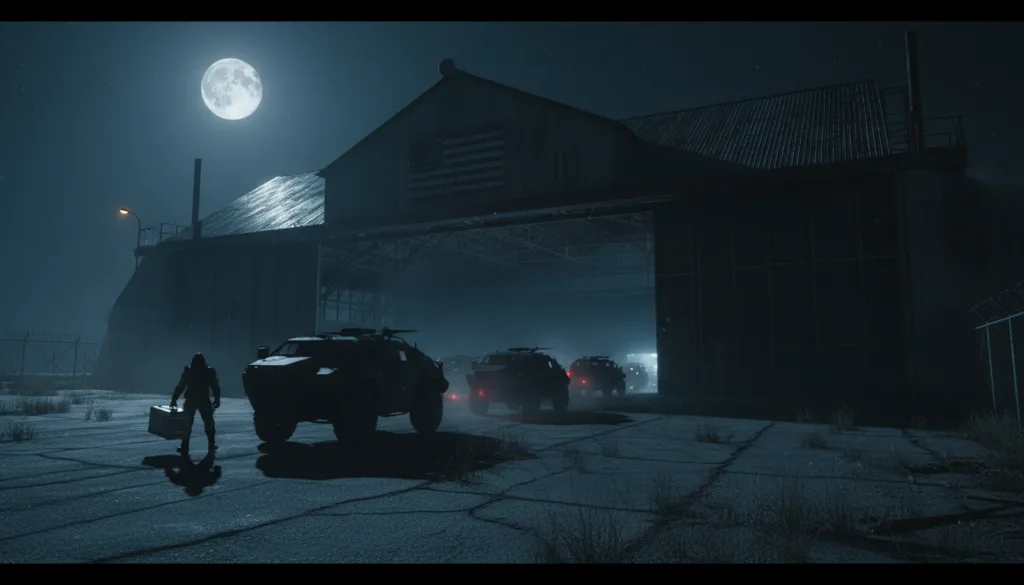
At the heart of the theories surrounding Hangar 18 and Area 51 is the concept of reverse engineering. The idea posits that the U.S. government is not only studying recovered alien technology but attempting to replicate it for military advantage. This notion is both thrilling and terrifying, as it suggests that our understanding of technology and physics could be dwarfed by advancements beyond our world.
Several scientists have proposed that the technology purportedly discovered at these locations could have revolutionary implications for energy, transportation, and even weaponry. Some researchers point to advancements in stealth technology and propulsion systems as potential byproducts of this reverse engineering. Could the remarkable developments in modern aviation and aerospace be traced back to secrets hidden in the Nevada desert or at Wright-Patterson?
The ongoing advancements in military drone technology and hypersonic flight add further fuel to the fire. Critics argue that such breakthroughs could stem from clandestine programs utilizing knowledge gleaned from extraterrestrial crafts. However, many skeptics continue to question the legitimacy of these claims, viewing them as mere fantasies spun from the threads of paranoia.
The Future of the Investigation
As we stand at the precipice of an uncertain future, the questions surrounding Hangar 18 and Area 51 linger in the air, a haunting reminder of humanity's quest for understanding in an expansive universe. The recent formation of the Unidentified Aerial Phenomena (UAP) Task Force by the U.S. government marks a significant step toward transparency, yet how much we will learn remains uncertain.
Will these military bases finally reveal the secrets they hold? Or will they continue to guard their mysteries, leaving us suspended in a state of wonder and suspicion? As technology continues to evolve and the search for truth intensifies, many are left to speculate. The stakes are higher than ever, and the truth—if it exists—may change everything we know about our place in the cosmos.
For now, Hangar 18 and Area 51 remain etched in the fabric of our collective consciousness, shadowy bastions of secrecy underscoring the tension between government authority and public curiosity. The curtain may one day rise on the truth, but until then, we are left to ponder what lies within the walls of these enigmatic installations.






Comments 0
Be the first to comment!