A clandestine pursuit unravels the hidden truths of UFO phenomena.
The Intrusion: A Prelude to Discovery
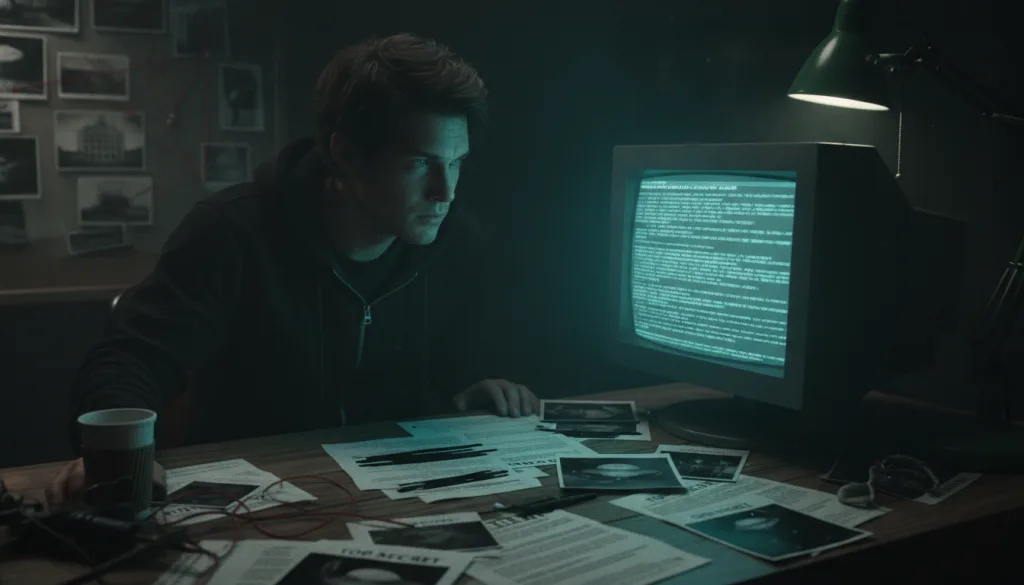
On the early morning of March 21, 2002, in a dimly lit room in North London, 16-year-old Gary McKinnon executed a series of keystrokes that would alter the narrative of governmental secrecy. Armed with nothing but a personal computer and a determination that belied his age, McKinnon breached the digital defenses of NASA and the United States military. His aim? To uncover what he believed were hidden truths about unidentified flying objects (UFOs).
McKinnon's hacking spree lasted for nearly a year. He accessed over 97 computers belonging to various U.S. military and space agencies. This unprecedented breach, executed under the moniker "Solo," was driven by his belief that the government was concealing evidence of extraterrestrial life. According to McKinnon, he stumbled upon documents, photographs, and even a database that contained references to the “non-terrestrial officers.” He claimed he was able to view images and files that suggested NASA was hiding information about UFOs and advanced technologies.
Accessing the Unthinkable
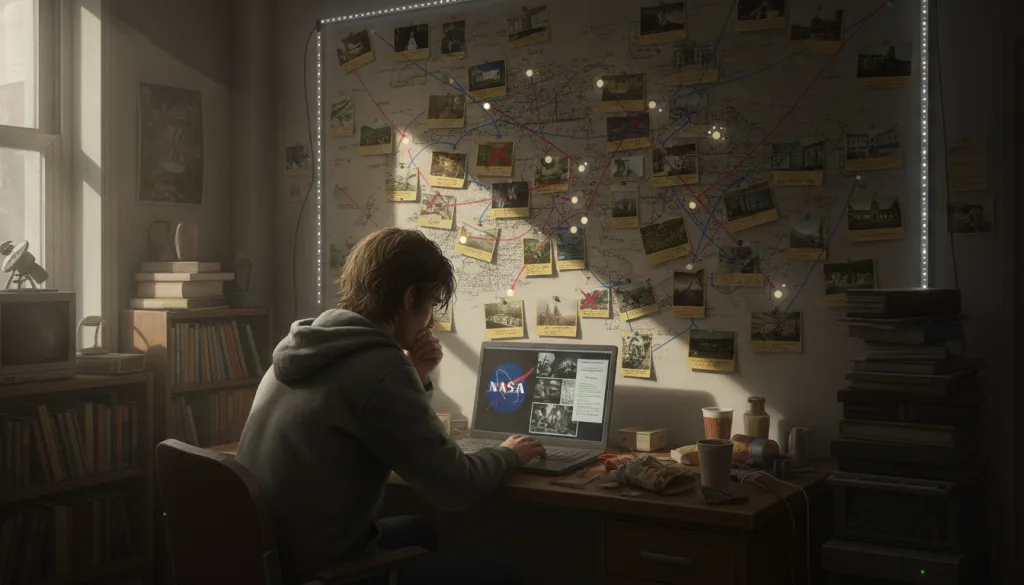
The most significant intrusion occurred on the NASA servers. McKinnon asserted that he discovered a series of files detailing various UFO sightings and related phenomena. He recounted an incident where he allegedly saw a photograph of a spacecraft that appeared to be cloaked, a term used to describe a form of advanced technology that could render objects invisible to detection systems.
Details of McKinnon's findings were reported extensively in the British media. In 2005, he revealed that he had located documents that seemed to confirm the existence of UFOs. In an interview with The Observer, he stated, "I found a document that mentioned a space fleet. I think there’s a lot of information that could change our understanding of life on other planets." This bold assertion ignited discussions on the veracity of government-held secrets regarding UFOs.
A Legal Conundrum: The Fallout of Discovery
The fallout from McKinnon's actions was substantial. In 2002, the U.S. government sought to extradite him, charging him with multiple counts of unauthorized access to computer systems, which could have led to up to 70 years in prison. The British authorities, however, were resistant to such measures due to McKinnon's deteriorating mental health, which was exacerbated by the stress of the case. His battle to avoid extradition lasted nearly a decade, highlighting the complexities surrounding cybersecurity and governmental secrecy.
In July 2012, in a significant turn of events, the Home Secretary at the time, Theresa May, ultimately decided to block the extradition on the grounds of McKinnon's health, a decision that was met with relief by his supporters and advocates. The case underscored a larger narrative about the limits of governmental power and the implications of whistleblower actions, especially when they intersect with public interest in UFO phenomena.
Expert Perspectives on McKinnon’s Claims
To contextualize McKinnon's claims, we must look at the broader implications of such revelations. Dr. Jacques Vallée, a renowned ufologist and computer scientist, has long been vocal about the need for transparency regarding UFO sightings and the potential for governmental cover-ups. In a 2019 statement, Vallée remarked:
"The secrecy surrounding UFOs and advanced technologies is a disservice to humanity. The truth about extraterrestrial life could have implications that challenge everything we know about our place in the universe." - Jacques Vallée, 2019
Vallée’s perspective highlights a critical aspect of McKinnon's story: the intersection between hacking and the quest for truth. While McKinnon's methods were illegal, the intent behind his actions—unearthing hidden knowledge—resonates with many advocates for transparency in government. This speaks to a broader societal concern about the concealment of information, particularly regarding extraterrestrial life.
The Aftermath: Cultural Impact and Ongoing Research
Since McKinnon's exploits, the conversation around UFOs has shifted dramatically. The U.S. government has made efforts to address these discussions more openly. In 2020, the Department of Defense established the Unidentified Aerial Phenomena (UAP) Task Force to investigate sightings reported by military personnel. The increased transparency signals a potential acknowledgment that the phenomena McKinnon sought to uncover may be more relevant than previously thought.
Furthermore, the 2021 report by the Office of the Director of National Intelligence (ODNI) underscored that out of 144 sightings reviewed, 143 remained unexplained. This report ignited renewed public interest and scrutiny regarding the narratives surrounding UFOs. With McKinnon’s revelations in mind, the report exudes a bittersweet acknowledgment that we are still grappling with the same questions that motivated his hacking endeavors nearly two decades ago.
McKinnon's journey, while fraught with legal challenges, has nonetheless become a symbolic representation of a larger battle between secrecy and the need for truth. His actions resonate with modern hackers and whistleblowers who traverse the digital landscape in search of hidden truths, often with little regard for the legal ramifications they may face.
The Legacy of Inquiry
Gary McKinnon's story is not merely a tale of a hacker; it is a poignant reminder of humanity's relentless quest for understanding in a world steeped in mystery. While his methods may not have been conventional, McKinnon's drive to uncover what he believed were truths about UFOs exemplifies an enduring desire for transparency that resonates with many today.
In a world increasingly dominated by digital communication and governmental oversight, McKinnon’s experience serves as both a warning and a beacon for those seeking the truth. As we stand on the precipice of a new era of disclosure regarding unidentified aerial phenomena, we must consider the implications of what is hidden and the lengths some will go to unveil it.
Notre analyse: The evidence strongly indicates that Gary McKinnon’s unauthorized access to NASA’s servers may have exposed truths long buried beneath layers of secrecy. While the legality of his actions may be questionable, the information he claims to have found resonates with a growing public interest in UFOs and government transparency. In a time when the U.S. military is publicly addressing UAP incidents, McKinnon stands as a pivotal figure in the ongoing quest for knowledge about the unexplained.Sources & References
McKinnon, Gary. "UFOs and the U.S. Government: A Personal Exposé." 2005, The Observer.
Vallée, Jacques. "The Secret History of UFOs: The Hidden Truth." 2019, University of California Press.
Office of the Director of National Intelligence. "Preliminary Assessment: Unidentified Aerial Phenomena." 2021, U.S. Government Publishing Office.
Home Office. "Extradition of Gary McKinnon: A Decision." 2012, U.K. Government.



Comments 0
Be the first to comment!