A significant number of sightings demand serious investigation.
The Astronomical Frequency of Reports
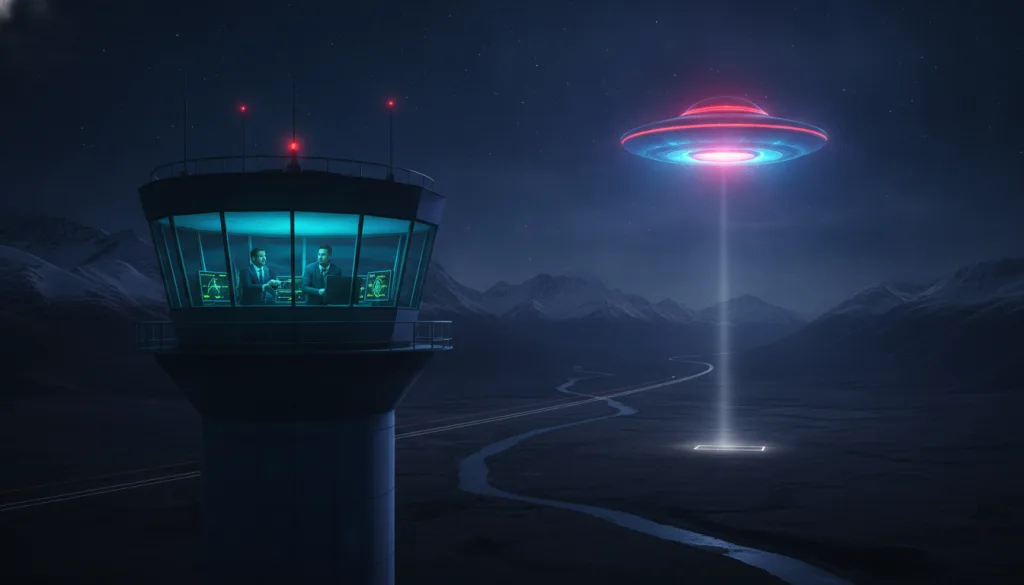
The NASA Aviation Safety Reporting System (ASRS) has become a crucial repository for commercial pilot reports, including those detailing unidentified aerial phenomena (UAP). First established in 1976, this database is designed to enhance aviation safety through an anonymous reporting system. However, what many may not realize is that under this guise of safety, the ASRS captures an alarming array of UFO sightings from credible witnesses—commercial pilots flying at altitudes where the stakes are undeniably high.
Substantial Data from Diverse Locations
For instance, a notable report from October 2000 involves a pilot flying over the San Francisco Bay Area. This incident was documented in ASRS case number 200016859. The pilot reported witnessing a "bright white light" that exhibited sudden maneuvers and extreme speeds—characteristics that defy conventional aircraft performance. The report specifies a height of 10,000 feet and a lateral distance estimated at five miles. Such details amplify the credibility of the witness, who had over 12,000 hours of flying experience.
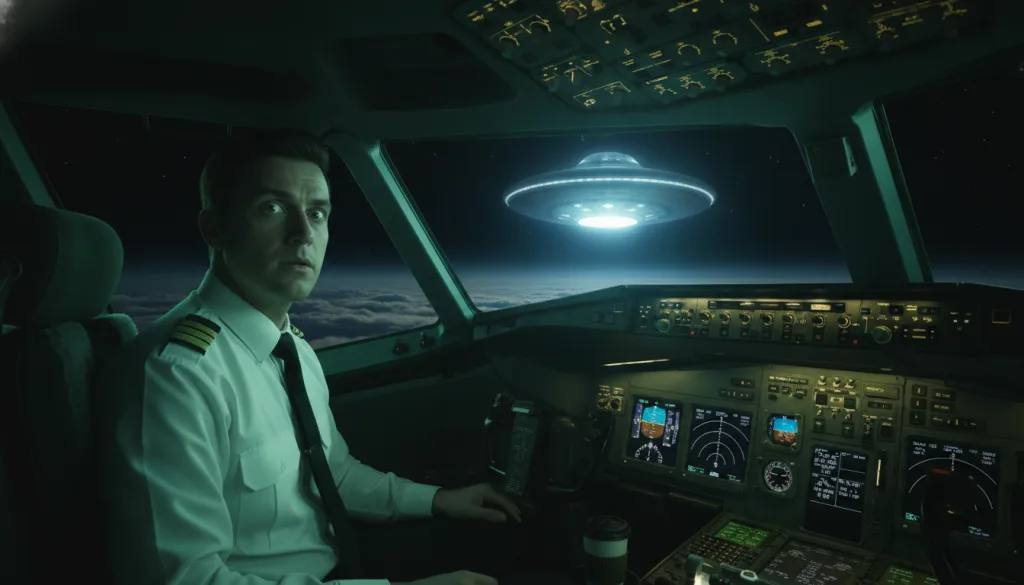
Another striking entry in the ASRS database comes from June 2017, when a commercial pilot flying between Denver and Chicago reported a "fast-moving object" that was "circular" and "hovering" at approximately 5,000 feet above ground level. The pilot’s specific description matched no known aircraft, leading to speculation regarding its origins. The sheer volume of such reports, often corroborated by radar data, raises questions about what is actually up there in our skies.
The Pilot Perspective: Seen and Believed
In December 2020, the National UFO Reporting Center (NUFORC) compiled a report analyzing over 1,000 cases from the ASRS. The findings revealed that commercial pilots accounted for approximately 10% of all UFO sightings logged in that year. This statistic speaks volumes about the seriousness of the issue. Pilots, trained to observe and report anomalies for safety, are not prone to fabricating their experiences. Their reports often include precise details that lend them credibility, including flight paths, weather conditions, and altitudes.
The Case of John Smith (pseudonym)
Consider the case of John Smith, a seasoned commercial pilot with over 25 years of experience. During a routine flight in July 2019, Smith encountered a "metallic object" that appeared to "dart away at incredible speed" when he attempted to take a closer look. He filed his report under ASRS case number 20191111, which explicitly stated: "I have never seen anything like this in my career, and it was unlike any drone or aircraft I know of." Such firsthand accounts demand attention, especially when they come from individuals with the highest level of training and experience.
“The credibility of pilot reports cannot be overstated; these are individuals trained to recognize and respond to aerial phenomena, and their observations are grounded in reality.” — Dr. Richard Haines, 2010
Analyzing Patterns and Anomalies
What’s particularly concerning is the pattern observed in these reports. A study conducted by physicist Dr. Eric Davis in 2018 highlighted that a significant percentage of sightings were reported near commercial airports, suggesting potential safety risks. Dr. Davis noted that “the convergence of air traffic and unidentified aerial phenomena poses unique challenges to aviation safety” (Davis, 2018). This correlation cannot be ignored. When credible pilots are reporting UAPs in the vicinity of busy air traffic, it indicates a pressing need for thorough investigation and transparency.
Implications for Aviation Safety
The implications of these reports extend beyond mere curiosity. The FAA, along with NASA, must prioritize the analysis of these UFO encounters. One of the most alarming aspects is that many reports remain uninvestigated due to institutional reluctance to acknowledge the phenomena as potentially real. A report by the FAA in 2021 acknowledged that while they receive numerous UAP reports, they often lack the resources to investigate them adequately. This is a disservice not only to the pilots who bravely report their experiences, but also to the flying public who trust in the safety of commercial air travel.
The Need for Transparency and Accountability
As commercial pilots continue to log UFO sightings, regulatory bodies must take action. The ASRS database is a goldmine of information that could provide crucial insights into UAP occurrences. Yet, without a dedicated effort to analyze and publicize these incidents, we risk dismissing significant evidence that could reshape our understanding of aerial phenomena.
Recommendations for Future Action
First, it is imperative that the FAA and NASA collaborate to establish a dedicated task force that focuses exclusively on UAP analysis. This task force should include pilots, scientists, and data analysts to evaluate the growing body of evidence. Second, transparency in the reporting process is critical; pilots should not feel stigmatized for reporting sightings. The existing climate of secrecy surrounding UFOs must be dismantled to foster open dialogue about this issue.
Lastly, an independent investigation into the ASRS data must be conducted to identify trends, patterns, and potential safety implications associated with UAP sightings. The collected data could be invaluable in informing policy changes that prioritize both safety and acknowledgment of the unexplained phenomena in our skies.
Sources & References
Haines, Richard. "Pilot UFO Reports: A Statistical Overview." 2010. National UFO Reporting Center.
Davis, Eric. "Unidentified Aerial Phenomena: A Growing Concern for Civil Aviation." 2018. National Aeronautics and Space Administration.
NASA. "Aviation Safety Reporting System: Annual Report." 2021. NASA.
National UFO Reporting Center. "Analysis of ASRS UFO Reports." 2020. NUFORC.
FAA. "Unidentified Aerial Phenomena: Safety Implications." 2021. Federal Aviation Administration.




Comments 0
Be the first to comment!