Unraveling the enigma of untraceable military funding and its implications for national security.
The Origins of the Black Budget
The term “black budget” refers to government spending on classified projects that remain undisclosed to the public and even to parts of Congress. The Pentagon’s black budget has been a subject of speculation and concern, particularly as it pertains to aerospace and advanced technology programs. In fiscal year 2020, the U.S. Department of Defense reported approximately $706 billion in total expenditures, with nearly $70 billion allocated to classified programs, though many analysts believe that this figure underrepresents the true scale of black budget expenditures.
Historical Context
The origins of the black budget can be traced back to the Cold War, when the U.S. government began to invest heavily in secretive military technologies. A significant turning point occurred in 1997 when U.S. Representative David Obey, concerned about the lack of oversight, mandated that the Pentagon report its black budget expenditures. However, this led to only a limited increase in transparency, as the majority of programs remained hidden from congressional scrutiny.
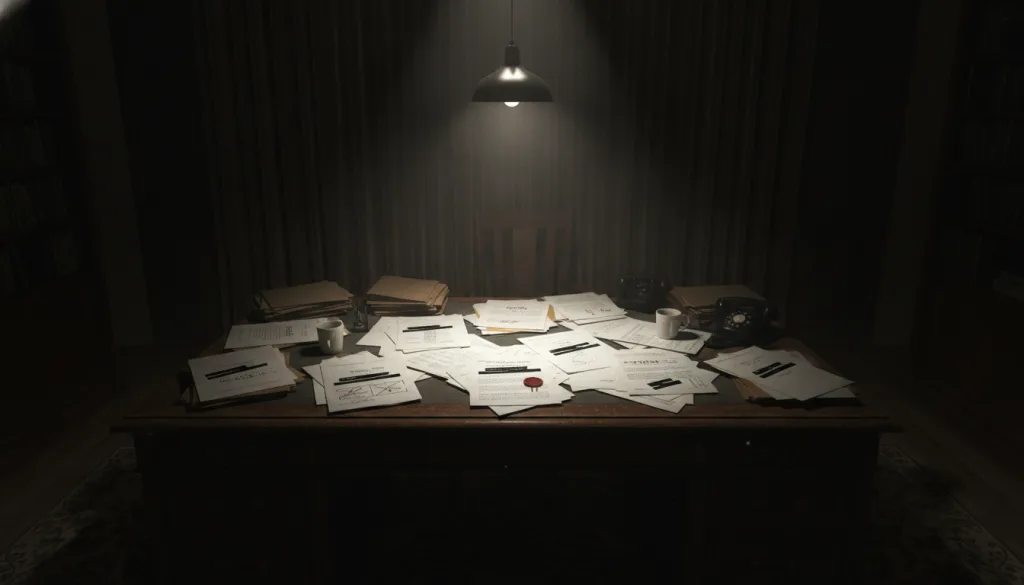
In 2016, an in-depth analysis conducted by the U.S. Government Accountability Office (GAO) revealed that many military budgets lack proper documentation and accountability measures. The report, titled “Department of Defense: Actions Needed to Improve Transparency and Oversight of the Black Budget,” highlighted that “the lack of transparency could lead to spending billions of taxpayer dollars without adequate oversight” (GAO, 2016).
Key Players and Programs
Among the most notable programs funded by black budgets are advanced aerospace projects, some of which remain shrouded in secrecy. The existence of the Advanced Aerospace Threat Identification Program (AATIP) was uncovered in 2017, revealing that the Pentagon had been studying unidentified aerial phenomena (UAP) since 2007. Led by former Pentagon official Luis Elizondo, the program reportedly received funding amounting to $22 million annually.
Whistleblower Testimonies
Many former officials have come forward, claiming to have witnessed or been involved in black budget projects. For instance, in 2019, Dr. Eric W. Davis, an astrophysicist and former consultant for AATIP, stated in a briefing to the Defense Intelligence Agency that “the U.S. has recovered materials from UAP, which are not of this world” (Davis, 2019). This statement raises critical questions about the potential objectives behind these black budget programs.

Furthermore, whistleblower Richard Doty, a former Air Force officer, has discussed the government’s efforts to reverse-engineer advanced extraterrestrial technology. According to Doty, “The black budget is about more than just military projects; it's about understanding technology that bends the laws of physics as we know them” (Doty, 2016).
The Financial Implications
The scale of unaccounted military spending is staggering. A 2018 report by the Project on Government Oversight (POGO) estimated that at least $21 trillion in unaccounted Pentagon spending existed since 1996. This figure does not include the funds allocated to black budgets, which could easily push the total beyond $30 trillion when considering classified programs and projects that never see the light of day.
Impact on National Security
The implications of such massive financial discrepancies are troubling. A lack of oversight on black budget programs can lead to misallocation of resources and create opportunities for waste and abuse. For instance, in 2015, the Pentagon admitted that it had failed to account for more than $6.5 trillion in transactions due to inadequate financial management systems, casting doubt on the legitimacy of its spending practices.

Such financial opacity creates vulnerabilities within national security frameworks, as funds could be siphoned off to benefit private contractors rather than public safety. This is supported by a report from the Center for Strategic and Budgetary Assessments (CSBA), which posits that “the lack of transparency surrounding the black budget may hinder the military’s ability to effectively allocate funds for legitimate security needs” (CSBA, 2020).
The Future of Black Budget Aerospace
As we move into an era of increased global tensions, the need for accountability in black budget spending becomes even more pressing. Congressional efforts to reform the oversight of classified programs have been met with resistance from various military and intelligence agencies. In 2021, the National Defense Authorization Act sought to improve reporting on black budget expenditures, yet significant hurdles remain.
Calls for Transparency
Experts like former Senator Harry Reid have advocated for greater transparency, arguing that “the American people deserve to know how their tax dollars are being spent, especially when it comes to national security” (Reid, 2017). His sentiments echo a growing demand among citizens and lawmakers alike for accountability in defense spending.

Moreover, the potential for technological advancements in the aerospace sector is immense. With trillions of dollars at stake, it is critical that these funds are directed toward projects that serve the public interest, rather than maintaining secrecy that benefits a select few.
Notre analyse :
Our analysis leads us to conclude that the black budget dilemma is a crisis of accountability. The intertwining of secrecy with astronomical financial sums raises substantial ethical concerns regarding the stewardship of taxpayer dollars. The evidence strongly indicates that a substantial portion of black budget expenditures, potentially exceeding $30 trillion, may have supported technology acquisition that could fundamentally alter our understanding of physics and aerospace engineering. The American public deserves transparency in how its money is spent, especially in sectors that could influence the very fabric of national security.
Sources & References
U.S. Government Accountability Office, “Department of Defense: Actions Needed to Improve Transparency and Oversight of the Black Budget,” 2016, GAO.
Project on Government Oversight, “Pentagon Spending: Trillions Unaccounted For,” 2018, POGO.
Center for Strategic and Budgetary Assessments, “The Implications of Black Budget Spending,” 2020, CSBA.
Davis, Eric W., “Briefing to the Defense Intelligence Agency,” 2019, DIA.
Reid, Harry, “The Need for Transparency in Government Spending,” 2017, U.S. Senate.






Comments 0
Be the first to comment!