Exploring the implications of extraterrestrial influences on human civilization.
The Foundations of Ancient Astronaut Theory
Ancient astronaut theory posits that extraterrestrial beings visited Earth in ancient times, influencing human civilization's development and culture. The roots of this theory can be traced back to the early 20th century, particularly with the work of writers like Erich von Däniken, whose book "Chariots of the Gods?" published in 1968, sparked widespread interest. Von Däniken proposed that many ancient structures, myths, and artifacts were products of contact with advanced alien beings.
The Case for Ancient Astronauts
Proponents of the ancient astronaut theory often cite various archaeological finds as potential evidence of extraterrestrial influence. One of the most notable examples is the Great Pyramids of Giza, constructed around 2580–2560 BCE. These monumental structures exhibit engineering prowess that many argue could not have been achieved without advanced technology. The precision of the pyramids, especially the alignment with true north, suggests knowledge that seems beyond the capabilities of the ancient Egyptians without external assistance.
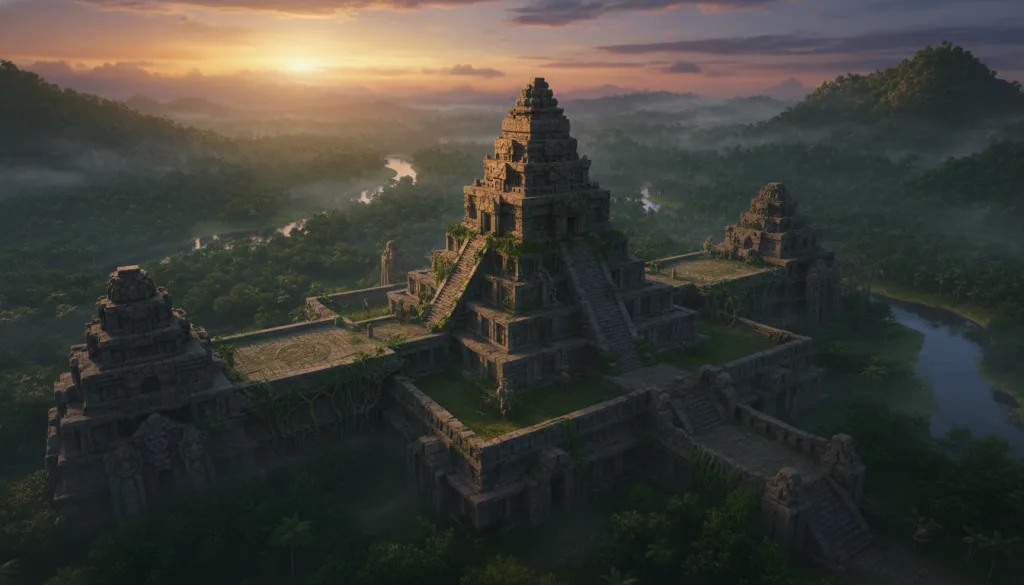
Additionally, the Nazca Lines in Peru, created between 500 BCE and 500 CE, feature enormous geoglyps representing various animals and shapes. Visible only from the air, these lines have led some theorists to suggest they served as landing strips for ancient spacecraft. According to archaeologist Maria Reiche, who dedicated her life to studying these lines, "The Nazca Lines are a legacy from a culture whose understanding of the sky was advanced, but it could also imply they were marking a path for others to follow" (Reiche, 1981).
Artifacts and Myths Supporting the Theory
Other artifacts have been interpreted through the lens of ancient astronaut theory. The Sumerian texts, particularly the Epic of Gilgamesh and accounts of the Anunnaki, depict beings descending from the heavens. The Sumerians, who flourished between 4500 BCE and 1900 BCE in modern-day Iraq, described these beings as gods who imparted knowledge of agriculture, architecture, and writing. Zecharia Sitchin, a prominent proponent of the ancient astronaut theory, argued that these accounts were direct references to extraterrestrial visitors, particularly in his book "The Twelfth Planet" (1976).
Ancient Technologies and Lost Knowledge
Technological advancements in ancient times also lend credence to the ancient astronaut theory. The Baghdad Battery, dating back to around 250 BCE, is a clay jar containing a copper cylinder and an iron rod, which some have suggested could have been used to generate electric current. Although mainstream archaeologists argue that it served more practical purposes, the idea of ancient civilizations possessing advanced technology befitting extraterrestrial guidance continues to intrigue enthusiasts.
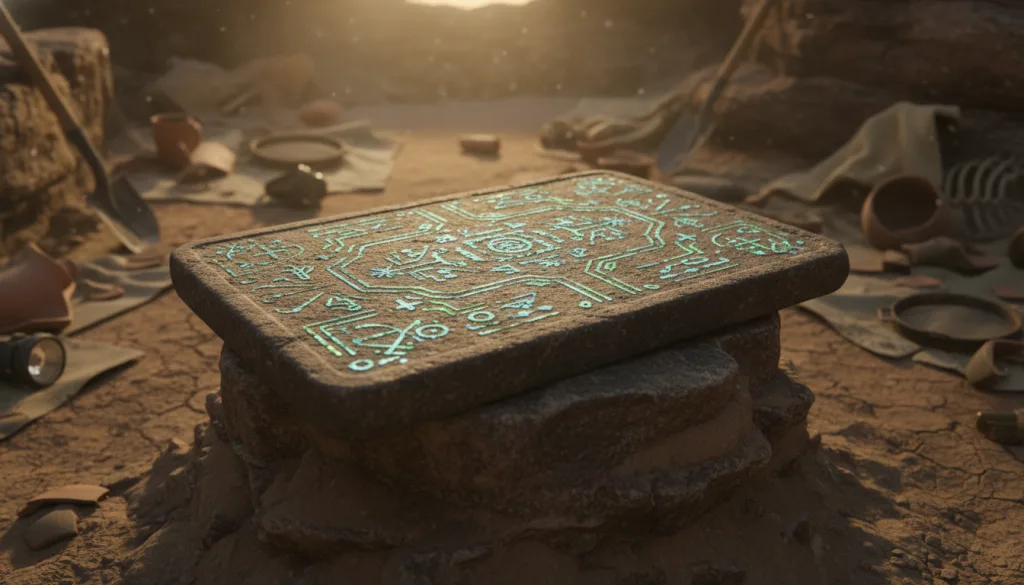
Furthermore, the Hindu texts, particularly the Mahabharata and Ramayana, describe flying machines called Vimanas, capable of flight through air and space. Some theorists argue that descriptions of these vehicles bear similarities to modern concepts of spacecraft. The ancient Indian epic "Ramayana," dating to around 500 BCE, explicitly mentions these sophisticated machines, suggesting the potential for ancient technologies that could rival those of today's aerospace engineering.
Counterarguments and Skepticism
Despite the allure of ancient astronaut theory, substantial skepticism exists within the scientific community. Many archaeologists and historians argue that the achievements of ancient civilizations can be explained through human ingenuity, resourcefulness, and cultural evolution. The construction methods of the pyramids, for example, are well documented through historical texts and experiments conducted by modern archaeologists. Mark Lehner, an Egyptologist, states, “The pyramids are the result of a very organized workforce, and there’s no need to invoke extraterrestrial assistance” (Lehner, 1997).
The Problem of Misinterpretation
Critics often highlight the tendency of proponents to misinterpret archaeological evidence and overstate the significance of certain artifacts. For instance, the use of the term "ancient aliens" often dismisses the rich cultural context of civilizations that created these artifacts. The notion that ancient cultures lacked the capability to produce complex structures or concepts without external help undermines the achievements of our ancestors.
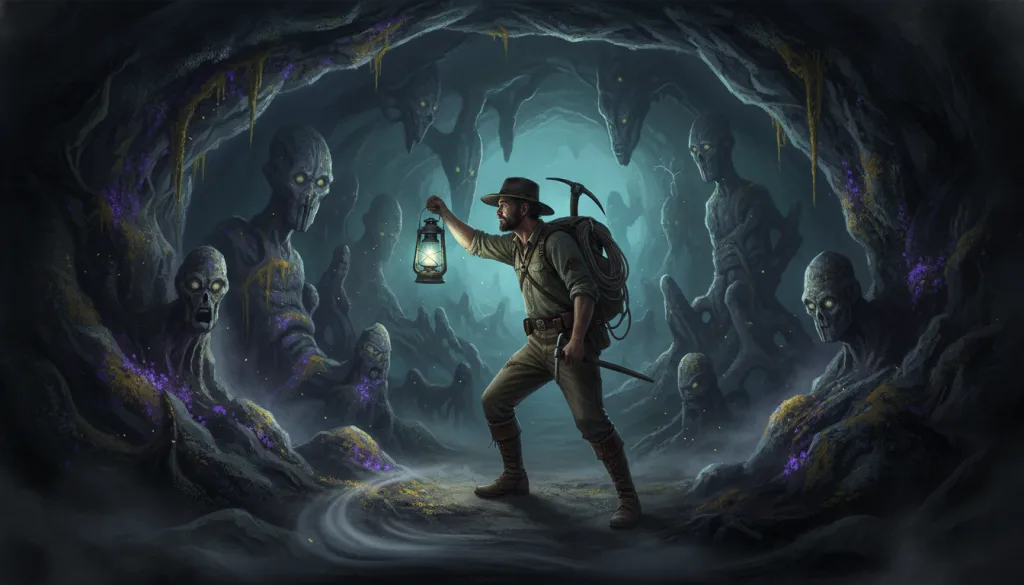
Moreover, many artifacts cited by theorists, such as the so-called "Alien Figure" in the ancient Mayan ruins of Palenque, have been debunked as products of misinterpretation. Archaeologist Dr. David Stuart emphasizes that these depictions likely represent aspects of Mayan mythology rather than extraterrestrial beings. "The Mayans had a rich symbolic language, and interpreting their art through a modern lens often leads to erroneous conclusions" (Stuart, 2003).
Cultural Impact and Modern Interpretations
The fascination with ancient astronaut theory has permeated popular culture, influencing films, books, and television shows. The History Channel series "Ancient Aliens," which first aired in 2010, has played a significant role in popularizing these concepts, often blurring the line between speculation and established historical facts. The show's host, Giorgio A. Tsoukalos, has become a prominent figure in promoting the idea that ancient civilizations were visited by extraterrestrial beings.
Scientific Scrutiny and Ongoing Research
Despite the proliferation of ancient astronaut narratives in pop culture, rigorous scientific scrutiny continues to challenge these claims. Academic institutions engage in ongoing research to uncover the truth behind ancient technologies, cultural exchanges, and historical context. The scientific method remains a cornerstone of archaeology, emphasizing empirical evidence over conjecture. Research by institutions, such as the University of Pennsylvania and the British Museum, focuses on understanding ancient civilizations within their historical frameworks without invoking extraterrestrial explanations.
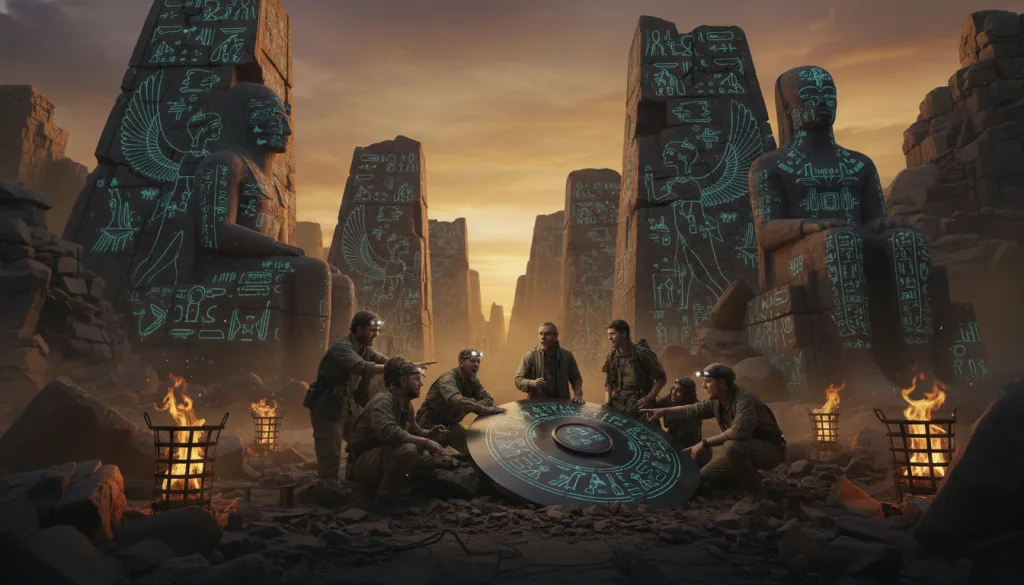
In many ways, the allure of ancient astronaut theory serves as a reflection of contemporary anxieties regarding the unknown. As our understanding of the universe expands, the questions of our origins and the possibilities of extraterrestrial life will persist. Nonetheless, the evidence strongly indicates that our ancestors were capable of remarkable achievements without requiring intervention from visitors from another world.
Our Analysis:
The evidence for and against ancient astronaut theory presents a compelling dichotomy. While certain artifacts and historical texts may suggest extraterrestrial influence, a closer examination reveals the extraordinary capabilities and achievements of ancient civilizations. The theory tends to overemphasize the mysterious and downplay the ingenuity of humanity. As we continue to explore the past, we must remain vigilant against the tendency to attribute our ancestors' accomplishments to outside forces.
Sources & References
Lehner, Mark. The Complete Pyramids. 1997, Thames & Hudson.
Reiche, Maria. The Nazca Lines. 1981, University of New Mexico Press.
Stuart, David. The Order of the Serpent: A Study of Ancient Maya Art and Culture. 2003, University of Texas Press.
Sitchin, Zecharia. The Twelfth Planet. 1976, Harper & Row.
Tsoukalos, Giorgio A. Ancient Aliens: The Complete Season One. 2010, History Channel.






Comments 0
Be the first to comment!